
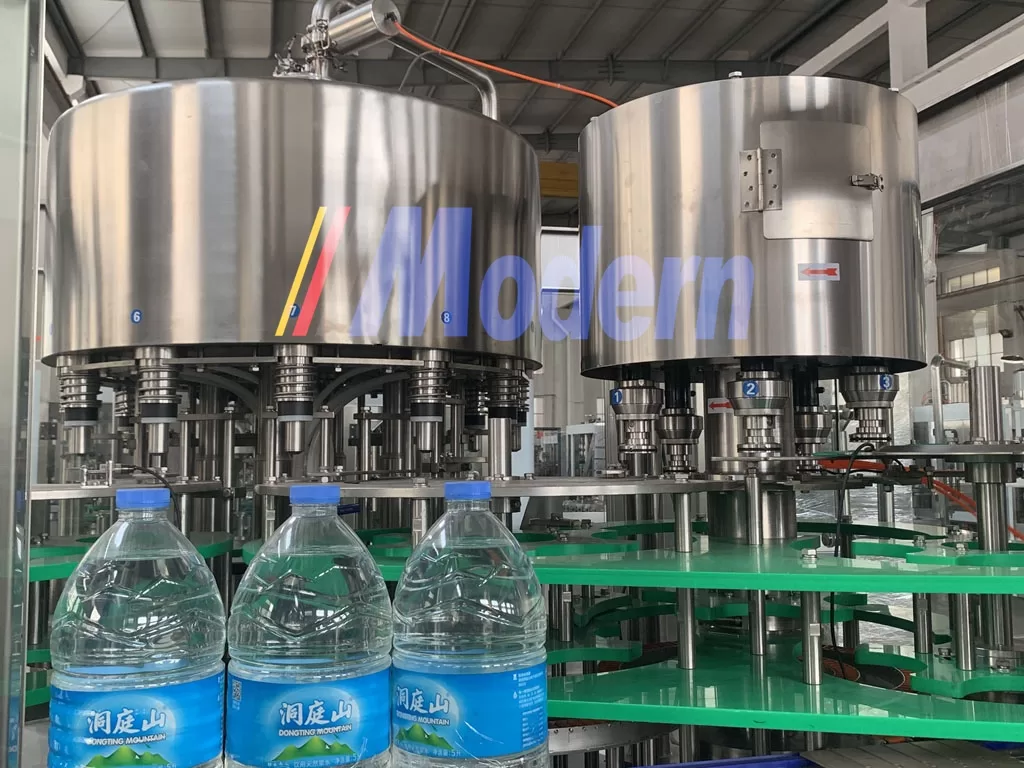
Las máquinas llenadoras de agua automáticas han revolucionado la industria de las bebidas, sirviendo como un elemento fundamental para mejorar la eficiencia operativa y la calidad del producto. A medida que la demanda de los consumidores de agua embotellada y otras bebidas se dispara, estas máquinas permiten a los fabricantes seguir el ritmo de las necesidades del mercado mientras cumplen con estrictos estándares de calidad. En este artículo, profundizaremos en la mecánica, las ventajas y las consideraciones en torno a las máquinas llenadoras de agua automáticas, ofreciendo información valiosa para las empresas del sector del comercio exterior.
Los mecanismos detrás de las máquinas llenadoras de agua automáticas
Las máquinas llenadoras de agua automáticas están diseñadas para facilitar el llenado, tapado y etiquetado de botellas en un proceso optimizado. Estas máquinas emplean diversas tecnologías para garantizar la precisión y la eficiencia durante la producción. Comprender los mecanismos subyacentes puede ayudar a las empresas a tomar decisiones informadas sobre su uso.
Tipos de mecanismos de llenado
Existen varios tipos de mecanismos de llenado empleados en las máquinas llenadoras de agua automáticas, que incluyen:
- Llenadoras por gravedad: Utilizando la fuerza gravitacional, estos llenadores son los más adecuados para líquidos de baja viscosidad como el agua. Este método es simple y rentable, pero puede carecer de precisión para aplicaciones de mayor velocidad.
- Llenadoras al vacío: Al crear un vacío para evitar derrames, estas máquinas son ideales para productos que requieren altos estándares de higiene. Son beneficiosas para productos sensibles, ya que minimizan el riesgo de contaminación.
- Llenadoras de pistón: Empleando un mecanismo de pistón, estas máquinas ofrecen un volumen de llenado preciso y son adaptables a diferentes viscosidades de producto. Ofrecen precisión en configuraciones de cabezales múltiples, lo que las hace adecuadas para escenarios de alta demanda.
- Llenadoras de medidor de flujo: Utilizando un medidor de flujo para medir el volumen de líquido, estas máquinas pueden proporcionar una alta eficiencia y precisión. Son óptimas para la producción a gran escala debido a su velocidad y fiabilidad.
Ventajas de utilizar máquinas llenadoras de agua automáticas
La integración de máquinas llenadoras de agua automáticas en las líneas de producción conlleva una miríada de ventajas que contribuyen directamente a una mayor eficiencia, ahorro de costes y una mejor calidad del producto.
1. Mayor eficiencia
Las máquinas llenadoras automáticas reducen significativamente el tiempo requerido para la producción. Con la capacidad de llenar y tapar múltiples botellas simultáneamente, las empresas pueden escalar sus operaciones y satisfacer la demanda sin comprometer la calidad.
2. Consistencia y precisión
Estas máquinas ofrecen una precisión inigualable en el llenado. Los sistemas automáticos minimizan el riesgo de error humano y garantizan niveles de llenado consistentes en diversas tiradas de producción, mejorando la integridad del producto y la satisfacción del cliente.
3. Higiene mejorada
Las máquinas llenadoras de agua automáticas están diseñadas con la higiene como enfoque principal. Los sistemas automatizados reducen la interacción humana con los productos, disminuyendo las posibilidades de contaminación. Los materiales utilizados a menudo cumplen con estrictos estándares sanitarios, asegurando que el agua permanezca pura y segura para el consumo.
4. Rentabilidad a largo plazo
Si bien la inversión inicial en máquinas llenadoras de agua automáticas puede ser significativa, estos sistemas ofrecen ahorros de costes a largo plazo a través de una mayor capacidad de producción y menores costes laborales. Una mayor eficiencia también conduce a menos desperdicio y una mejor gestión de los recursos.
Consideraciones clave al seleccionar una máquina llenadora de agua automática
Elegir la máquina llenadora de agua automática adecuada implica una cuidadosa consideración de varios factores para garantizar un ajuste y rendimiento óptimos para sus requisitos de producción específicos.
1. Capacidad de producción
Evaluar sus necesidades de producción actuales y futuras es fundamental. Las máquinas varían en su capacidad y velocidad, por lo que seleccionar una que coincida o se adapte a sus requisitos es esencial para mantener el flujo operativo.
2. Tamaño y tipo de botella
Diferentes máquinas están diseñadas para adaptarse a tamaños y tipos de botellas específicos. Considere la gama de productos que pretende llenar y elija una máquina que ofrezca flexibilidad en el manejo de varios formatos y tamaños.
3. Restricciones presupuestarias
Comprender su presupuesto es crucial. Evalúe la inversión inicial frente a los posibles retornos a través de una mayor eficiencia y productividad. Tenga en cuenta que las opciones más baratas pueden incurrir en mayores costes operativos con el tiempo.
4. Mantenimiento y soporte
Considere la disponibilidad de servicios de mantenimiento y soporte para la máquina llenadora. Un proveedor confiable puede ofrecer asistencia continua, lo cual es imperativo para mantener las líneas funcionando sin problemas y minimizar el tiempo de inactividad.
Mejores prácticas para operar máquinas llenadoras de agua automáticas
Para aprovechar al máximo el potencial de las máquinas llenadoras de agua automáticas, es crucial seguir las mejores prácticas durante la operación. Aquí hay algunas recomendaciones prácticas:
1. Mantenimiento regular
Implemente un programa de mantenimiento estricto para garantizar que sus máquinas permanezcan en condiciones óptimas. Las revisiones periódicas pueden prevenir averías inesperadas y prolongar la vida útil del equipo.
2. Capacitación de los empleados
Invierta en la formación de sus empleados sobre el funcionamiento y la resolución de problemas de las máquinas llenadoras automáticas. El personal capacitado puede identificar problemas rápidamente y adaptarse a cualquier cambio en los requisitos de producción.
3. Medidas de control de calidad
Establezca medidas estrictas de control de calidad para monitorear el proceso de llenado continuamente. El muestreo regular de productos puede ayudar a detectar desviaciones rápidamente, asegurando que solo los productos de la mejor calidad lleguen al mercado.
4. Optimice el flujo de trabajo
Analice el flujo de trabajo general que rodea el proceso de llenado. La racionalización de las operaciones, desde el manejo de materias primas hasta el envasado, puede generar importantes ahorros de tiempo y costes.
Tendencias futuras en máquinas llenadoras de agua automáticas
El panorama de la fabricación de alimentos y bebidas evoluciona constantemente, y también lo hacen las máquinas llenadoras de agua automáticas. Mantenerse informado sobre las tendencias emergentes puede ayudar a su empresa a mantener una ventaja competitiva.
1. Industria 4.0 y automatización
La integración de las tecnologías de la Industria 4.0, incluidos el IoT y el análisis de datos, está dando forma al futuro de los procesos de producción. Las máquinas llenadoras inteligentes que pueden recopilar datos y analizar métricas de rendimiento en tiempo real conducirán a eficiencias aún mayores.
2. Prácticas sostenibles
A medida que los consumidores exigen cada vez más productos ecológicos, el desarrollo de máquinas que utilizan menos energía y minimizan los residuos está en aumento. Invertir en maquinaria sostenible puede mejorar la reputación de la marca y atraer a una base de clientes consciente.
3. Personalización y flexibilidad
Las empresas requieren una mayor personalización y flexibilidad para satisfacer las diversas demandas del mercado. Las futuras máquinas llenadoras ofrecerán diseños modulares, lo que permitirá una fácil reconfiguración según los requisitos de producción.
Conclusión
Las máquinas llenadoras de agua automáticas son un activo crítico para cualquier línea de producción de bebidas, ofreciendo eficiencia, precisión y estándares de higiene mejorados. Al comprender la mecánica, los beneficios y las consideraciones estratégicas de estas máquinas, las empresas pueden tomar decisiones informadas que mejoren la productividad, mientras que mantener un ojo atento a las tendencias futuras garantiza una relevancia sostenida en un mercado en constante evolución. En el competitivo mundo del comercio exterior, aprovechar la tecnología de manera efectiva puede ser la clave para desbloquear nuevas oportunidades y lograr el éxito a largo plazo.


