
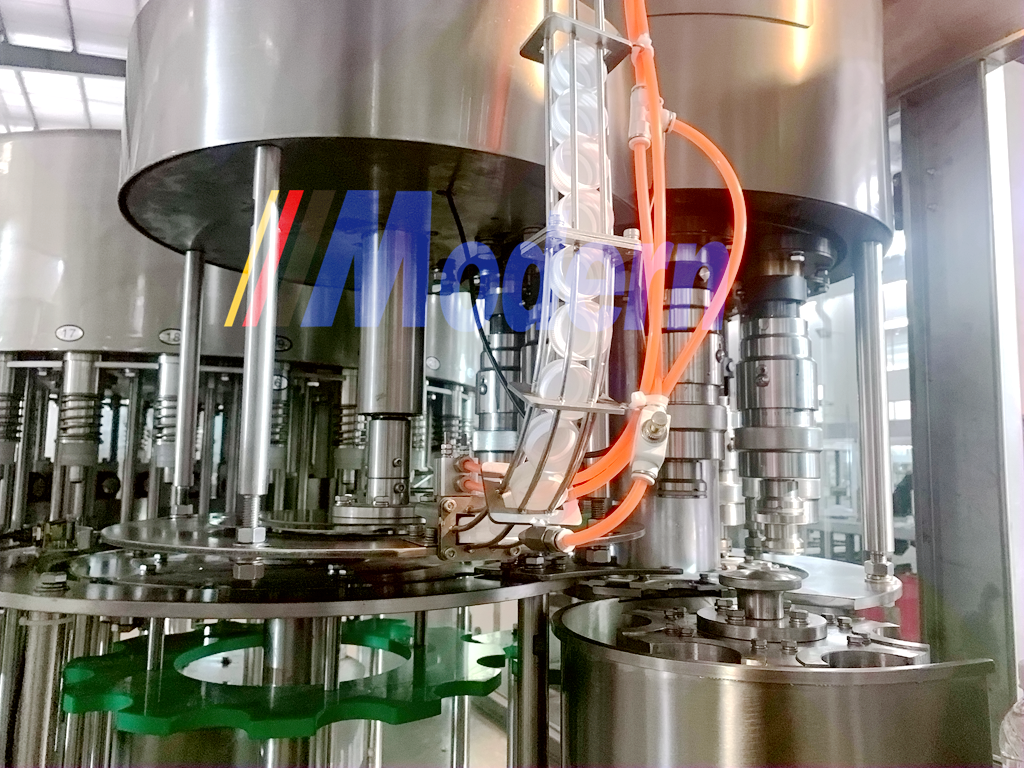
En un mundo cada vez más consciente de la salud, la demanda de productos de jugo sigue creciendo. Sin embargo, para competir eficazmente en este lucrativo mercado, los fabricantes deben adoptar métodos de producción eficientes. Un componente integral de estas operaciones es la máquina llenadora de jugo para botellas de PET. Estas máquinas son vitales para el proceso de envasado, ya que ayudan a mantener la calidad del producto mientras maximizan la producción. En esta guía completa, exploraremos todo lo que necesita saber sobre las máquinas llenadoras de jugo para botellas de PET, desde sus tipos y funcionalidades hasta consejos operativos y tendencias del mercado.
Entendiendo las botellas de PET
Antes de profundizar en los matices de las máquinas llenadoras de jugo, es esencial comprender el material con el que trabajan principalmente: PET (tereftalato de polietileno). Este polímero termoplástico es conocido por su resistencia, transparencia y propiedades de barrera, lo que lo convierte en un favorito de la industria para el envasado de bebidas.
Las ventajas de las botellas de PET para el envasado de jugo incluyen:
- Ligereza: Las botellas de PET son más ligeras que las de vidrio, lo que reduce los costos de envío.
- Resistencia al impacto: Son robustas y pueden soportar un manejo brusco durante el transporte.
- Reciclabilidad: El PET es reciclable, lo que lo convierte en una opción respetuosa con el medio ambiente.
- Claridad: Las botellas de PET proporcionan una excelente visibilidad del producto, mejorando los esfuerzos de marketing.
El papel de las máquinas llenadoras de jugo
Las máquinas llenadoras de jugo son esenciales para automatizar el proceso de embotellado. Al optimizar la producción, mejoran la eficiencia operativa, asegurando que los fabricantes puedan satisfacer la creciente demanda de los consumidores. Existen varios tipos de máquinas llenadoras de jugo, cada una adecuada para necesidades de producción específicas. Comprender estas opciones ayuda a las empresas a elegir el modelo correcto.
Tipos de máquinas llenadoras de zumos
Las máquinas llenadoras de jugo se pueden clasificar en varios tipos según su modo de operación y técnicas de llenado:
1. Máquinas de llenado por gravedad
Las máquinas de llenado por gravedad utilizan la fuerza de la gravedad para llenar los recipientes. Estas máquinas son ideales para líquidos poco viscosos como los jugos. Su simplicidad permite una fácil operación y mantenimiento. Sin embargo, pueden ser menos adecuadas para productos más espesos, donde puede ser necesaria una estrategia de llenado diferente.
2. Máquinas de llenado al vacío
Estas máquinas están diseñadas para eliminar el aire de las botellas durante el proceso de llenado, lo que ayuda a preservar la frescura del producto. Son particularmente beneficiosas para jugos que requieren una vida útil más larga, evitando la oxidación y el deterioro.
3. Máquinas llenadoras a presión
Las máquinas de llenado a presión utilizan presión de aire para llenar las botellas. Son particularmente efectivas para bebidas carbonatadas, pero también pueden manejar productos de jugo. Este método garantiza un proceso de llenado rápido, lo que lo hace adecuado para líneas de producción de alto volumen.
4. Máquinas de llenado rotativas
Las máquinas llenadoras rotativas son conocidas por su alta eficiencia y se utilizan a menudo en la producción a gran escala. Estas máquinas suelen contar con múltiples cabezales de llenado, lo que permite el llenado simultáneo de varias botellas. Esto resulta en un proceso de embotellado rápido y eficiente, lo que las convierte en una excelente inversión para las empresas que buscan aumentar la producción.
Características clave a considerar
Seleccionar la máquina llenadora de jugo para botellas de PET adecuada implica evaluar múltiples características. A continuación, se presentan elementos clave que deben considerarse:
1. Velocidad y capacidad
Evalúe sus necesidades de producción. Las máquinas varían significativamente en velocidad, a menudo medida en botellas por hora. Asegúrese de que la máquina que elija pueda manejar su producción requerida.
2. Ajustabilidad
Busque máquinas que sean fáciles de ajustar para diferentes tamaños y tipos de botellas. Esta flexibilidad es crucial si planea expandir su línea de productos en el futuro.
3. Precisión
El llenado preciso es vital para minimizar el desperdicio y garantizar una calidad constante del producto. Considere máquinas con integración de medidores de flujo o sensores para mejorar la precisión.
4. Estándares de higiene
Los materiales de grado alimenticio y los diseños que cumplen con las regulaciones de salud son esenciales. Asegúrese de que la máquina permita una fácil limpieza y mantenimiento para evitar la contaminación.
5. Automatización e integración
Las máquinas modernas ofrecen funciones de automatización, como sistemas de control digital, que pueden simplificar las operaciones. La integración con otros procesos de producción, como el etiquetado y el tapado, puede mejorar la eficiencia general.
Consejos operativos para la eficiencia
Invertir en una máquina llenadora de jugo para botellas de PET es solo el comienzo. Para maximizar la productividad y la calidad del producto, considere las siguientes estrategias operativas:
1. Mantenimiento regular
Implemente un programa de mantenimiento de rutina para identificar y abordar posibles problemas. Las revisiones periódicas de las piezas móviles, los sellos y los sensores garantizarán que la máquina funcione al máximo rendimiento.
2. Formación de los operarios
Los operadores bien capacitados son clave para el funcionamiento exitoso de la máquina. Proporcione una capacitación integral sobre la operación, la resolución de problemas y el mantenimiento de la máquina llenadora para mitigar errores.
3. Control de calidad
Integre medidas de control de calidad en cada etapa del proceso de llenado. Se pueden verificar muestras aleatorias de botellas llenas para comprobar los niveles de llenado, el sellado de la tapa y la precisión de la etiqueta.
4. Monitoree las métricas de producción
Realice un seguimiento de las métricas de producción, como las tasas de llenado y el tiempo de inactividad. Analizar estas estadísticas puede ayudar a identificar áreas de mejora y aumentar la eficiencia general.
Tendencias del mercado y perspectivas futuras
El panorama de la industria del envasado de jugos está en constante evolución, impulsado por las preferencias de los consumidores y las preocupaciones ambientales. Estas son algunas tendencias clave a seguir:
1. Envases ecológicos
A medida que la sostenibilidad gana importancia, los consumidores prefieren cada vez más las marcas que priorizan las prácticas ecológicas. Las empresas deberían explorar el uso de materiales biodegradables y la introducción de opciones de envases rellenables.
2. Tendencias orientadas a la salud
Con un aumento en la demanda de zumos naturales y orgánicos, los fabricantes deben adaptar su oferta. Hacer hincapié en ingredientes saludables y un procesamiento mínimo puede mejorar el atractivo del producto.
3. Innovaciones tecnológicas
El avance de la tecnología, como la IA y el IoT, está transformando el proceso de producción. Las máquinas inteligentes que supervisan el rendimiento y predicen las necesidades de mantenimiento pueden revolucionar la eficiencia en la producción de zumos.
Conclusión
Invertir en una máquina llenadora de botellas de PET para zumos puede mejorar drásticamente su eficiencia de producción y la calidad del producto. Al comprender los tipos de máquinas disponibles, las características clave, las mejores prácticas operativas y las tendencias emergentes del mercado, los fabricantes pueden tomar decisiones informadas que se alineen con sus objetivos estratégicos. A medida que las preferencias de los consumidores sigan evolucionando, mantenerse adaptable y centrado en la innovación posicionará a su empresa para lograr un éxito sostenido en el competitivo mercado de los zumos.


