
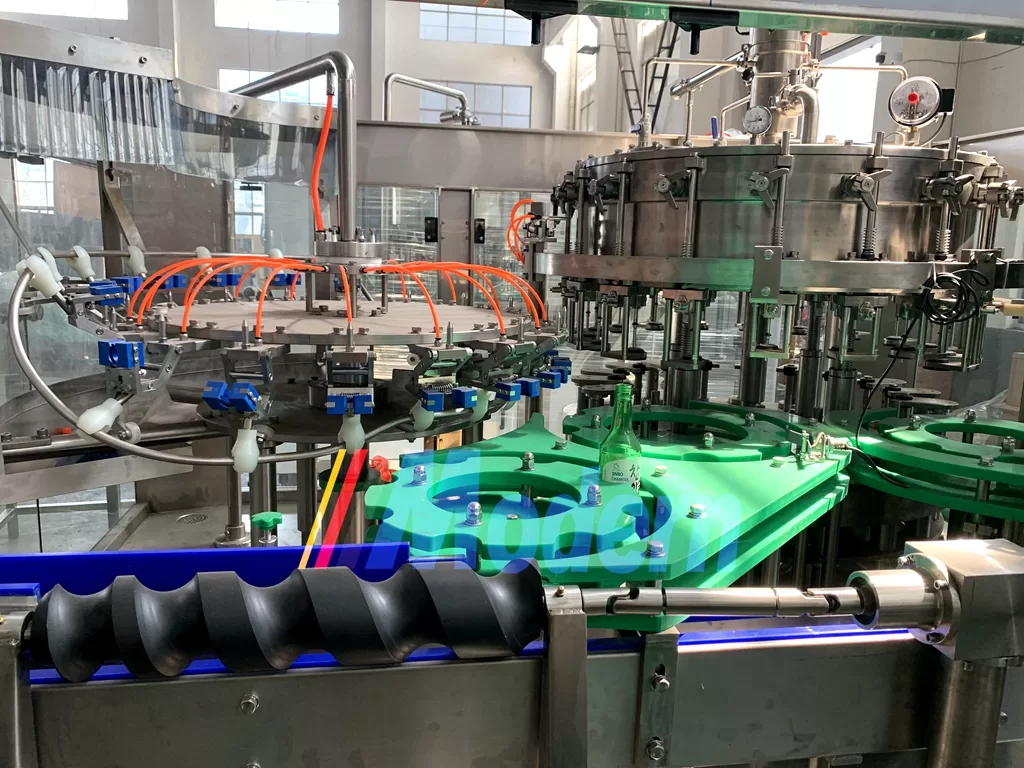
La industria de las bebidas ha experimentado una transformación significativa durante la última década, influenciada por los avances tecnológicos, la evolución de las preferencias de los consumidores y normativas más estrictas. Entre estas innovaciones, la máquina llenadora de botellas de agua pequeña ha surgido como un actor crucial, permitiendo a empresas de todos los tamaños operar de manera eficiente mientras satisfacen la creciente demanda de agua embotellada. Este artículo profundiza en las características, beneficios y consideraciones en torno a las máquinas llenadoras de botellas de agua pequeñas, ofreciendo perspectivas prácticas para aquellos que participan o desean ingresar al mercado de las bebidas.
Entender las pequeñas máquinas llenadoras de botellas de agua
Las máquinas llenadoras de botellas de agua pequeñas son sistemas automatizados diseñados para llenar botellas con agua de manera eficiente. Son especialmente adecuadas para pequeñas y medianas empresas (pymes) que pueden carecer de los recursos para invertir en equipos de llenado más grandes y complejos. Estas máquinas suelen combinar varias funciones, como el manejo de botellas, el llenado, el tapado y el etiquetado, en diseños compactos que facilitan operaciones fluidas en espacios limitados.
Tipos de máquinas llenadoras de botellas de agua pequeñas
Elegir el tipo correcto de máquina llenadora es crucial para optimizar la eficiencia de la producción. Los tipos más comunes de máquinas llenadoras de botellas de agua pequeñas incluyen:
- Máquinas llenadoras por gravedad: Adecuadas para líquidos de baja viscosidad, las llenadoras por gravedad funcionan utilizando la fuerza de la gravedad para llenar las botellas. Son fáciles de operar y mantener, lo que las hace ideales para operaciones a pequeña escala.
- Máquinas llenadoras neumáticas: Al utilizar aire comprimido para llenar las botellas, estas máquinas proporcionan una mayor precisión y son útiles para diversos tamaños de botellas. Son conocidas por su velocidad y eficiencia en los procesos de llenado.
- Máquinas de llenado al vacío: Este tipo es muy adecuado para aplicaciones sensibles donde se debe minimizar la contaminación. Las llenadoras al vacío se utilizan a menudo cuando es necesario preservar las propiedades del líquido, lo que las hace adecuadas para marcas especializadas y premium.
- Máquinas automáticas frente a semiautomáticas: Mientras que las máquinas llenadoras automáticas manejan todo el proceso con una mínima intervención humana, las máquinas semiautomáticas requieren que los operadores ayuden con ciertas funciones. La elección depende de los requisitos específicos de la operación.
Beneficios de las máquinas llenadoras de botellas de agua pequeñas
La implementación de máquinas llenadoras de botellas de agua pequeñas conlleva una miríada de ventajas, particularmente para las pymes en el sector de las bebidas.
Eficiencia mejorada
Uno de los principales beneficios es su capacidad para mejorar la eficiencia operativa. Los procesos de llenado automatizados reducen los cuellos de botella asociados con el trabajo manual. Esto se traduce en ciclos de producción más rápidos y en la capacidad de satisfacer las demandas urgentes del mercado.
Producción rentable
Invertir en máquinas llenadoras de botellas de agua pequeñas suele ser más rentable que en máquinas industriales más grandes. Requieren una menor inversión de capital y, por lo general, son más fáciles de mantener. Además, pueden generar menores costos laborales, ya que se necesita menos personal para gestionar las líneas de producción.
Optimización del espacio
Los diseños compactos de las máquinas llenadoras de botellas pequeñas son ideales para empresas con espacio limitado. Pueden encajar en instalaciones de producción más pequeñas sin dejar de ofrecer un alto rendimiento, lo que permite a las empresas optimizar la distribución de sus operaciones.
Flexibilidad y versatilidad
Estas máquinas ofrecen flexibilidad en cuanto al tamaño y tipo de botella. Muchas máquinas llenadoras pequeñas pueden adaptarse a diferentes formatos de botella, lo que permite a las empresas diversificar su oferta de productos sin necesidad de equipos adicionales. Esta versatilidad es particularmente beneficiosa para las empresas que buscan capitalizar nichos de mercado.
Consideraciones al seleccionar una máquina llenadora de botellas de agua pequeña
Si bien las ventajas de las máquinas llenadoras de botellas de agua pequeñas son claras, se deben evaluar varios factores al seleccionar el equipo adecuado para su negocio.
Capacidad de producción
Es esencial determinar sus necesidades de producción antes de seleccionar una máquina llenadora. Considere factores como la demanda esperada, las horas de operación y las proyecciones de crecimiento. Optar por una máquina con una capacidad de producción que se alinee con sus objetivos comerciales garantizará que no esté sobreequipado ni subequipado.
Estándares de calidad y cumplimiento
Con los rigurosos estándares de calidad de la industria de las bebidas, es vital elegir máquinas que cumplan con las normativas locales e internacionales. Investigue las certificaciones y medidas de cumplimiento de los posibles proveedores, asegurándose de que las máquinas cumplan con los requisitos de salud, seguridad y calidad.
Facilidad de uso y mantenimiento
La instalación y operación de la máquina llenadora deben ser sencillas. Una interfaz fácil de usar minimiza el tiempo de capacitación del operador, y las máquinas con requisitos de mantenimiento sencillos le ahorrarán tiempo y costos a largo plazo. Priorice las máquinas con componentes estandarizados para simplificar las reparaciones y los reemplazos.
Reputación y soporte del proveedor
Antes de realizar una compra, realice una investigación exhaustiva sobre los fabricantes de máquinas. Analice su reputación, servicio al cliente, condiciones de garantía y disponibilidad de piezas. Elegir un proveedor conocido por su soporte de calidad garantiza que pueda resolver cualquier problema que surja rápidamente y mantener una producción ininterrumpida.
Mejores prácticas para la operación y el mantenimiento
Una vez que haya seleccionado e instalado su máquina llenadora de botellas de agua pequeña, implementar las mejores prácticas en operación y mantenimiento es crucial para maximizar su vida útil y rendimiento.
Limpieza y desinfección periódicas
Dado que las máquinas llenadoras entran en contacto directo con los productos de bebidas, la limpieza regular no es negociable. Programe protocolos de limpieza rutinarios para evitar la contaminación y garantizar que la calidad del producto se mantenga alta. Considere el uso de soluciones de limpieza ecológicas para mejorar la sostenibilidad.
Monitorear los indicadores de rendimiento
Utilice indicadores de rendimiento para evaluar qué tan bien funciona la máquina. Métricas como la precisión del llenado, el tiempo de inactividad y la velocidad pueden resaltar áreas de mejora y ayudarle a ajustar las operaciones para aumentar la eficiencia.
Capacitación de los empleados
Invierta en una capacitación integral para su personal para asegurarse de que comprendan el funcionamiento de la máquina. Empoderar a los empleados con conocimientos sobre el manejo de equipos, la resolución de problemas y los procedimientos de mantenimiento fomenta una cultura de seguridad y eficiencia.
Conclusión
La máquina llenadora de botellas de agua pequeña representa un avance significativo en el panorama de la producción de bebidas. Al abordar las necesidades de las pymes, estas máquinas proporcionan una combinación de eficiencia, flexibilidad y rentabilidad. Al seleccionar el equipo adecuado, es crucial considerar la capacidad de producción, los estándares de calidad, la facilidad de uso y el soporte del proveedor. Además, fomentar las mejores prácticas en operación y mantenimiento es esencial para salvaguardar su inversión y garantizar una calidad de producto constante.
A medida que la demanda de agua embotellada sigue creciendo, las empresas equipadas con las máquinas llenadoras de botellas de agua pequeñas adecuadas sin duda seguirán siendo competitivas, ágiles y preparadas para navegar por el mercado de bebidas en evolución con confianza.


