
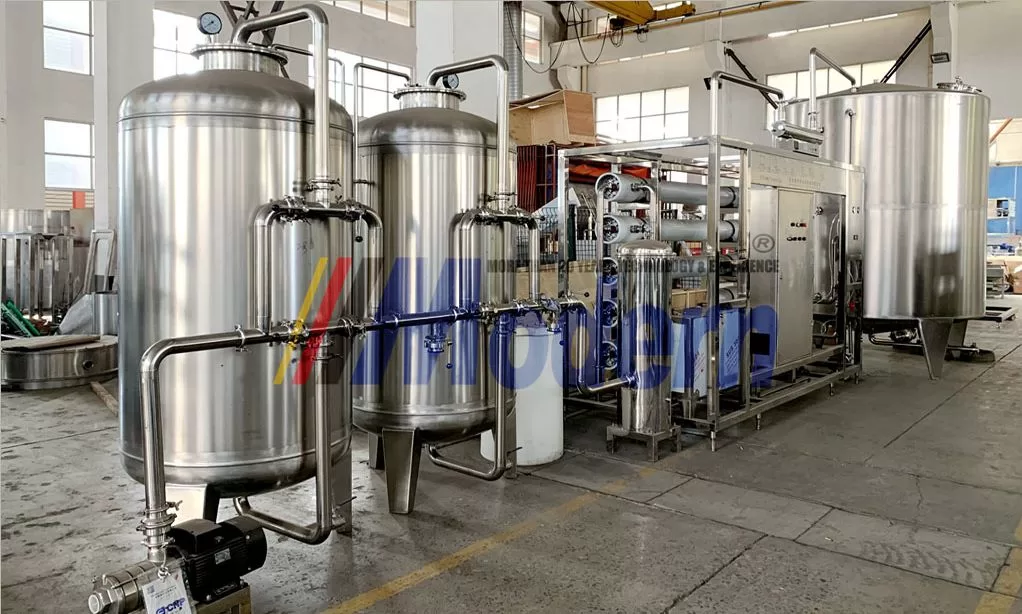
En el panorama en constante evolución del tratamiento de agua, el año 2025 promete ser un momento crucial marcado por tendencias innovadoras y soluciones revolucionarias. A medida que las industrias de todo el mundo priorizan cada vez más la sostenibilidad y la eficiencia, el sector del tratamiento de agua está preparado para avances significativos que satisfagan la creciente demanda de agua limpia y segura. Este artículo profundiza en las tendencias e innovaciones clave que darán forma al futuro del tratamiento de agua en 2025, ofreciendo información valiosa para las empresas que operan en este sector crucial.
Descripción general y contexto de la industria
La importancia de un tratamiento de agua eficiente no puede subestimarse, dada su función crucial para garantizar la salud pública, la preservación del medio ambiente y las prácticas industriales sostenibles. A medida que la población mundial aumenta y la escasez de agua se convierte en un problema apremiante, la necesidad de tecnologías y prácticas de tratamiento de agua de vanguardia nunca ha sido tan urgente. En 2025, el enfoque estará en aprovechar soluciones innovadoras para abordar los desafíos emergentes e impulsar estándares de calidad del agua mejorados en todo el mundo.
Beneficios y ventajas
El futuro del tratamiento de agua es muy prometedor para las empresas que buscan soluciones rentables y ecológicas. Al adoptar tecnologías avanzadas de tratamiento de agua, las organizaciones pueden disfrutar de beneficios como una mayor eficiencia operativa, un menor impacto ambiental, el cumplimiento normativo y una mejor reputación pública. Invertir en soluciones innovadoras de tratamiento de agua no solo protege la salud pública, sino que también ofrece una ventaja competitiva en un mercado en rápida evolución.
Tipos, categorías y variaciones
En 2025, el panorama del tratamiento de agua abarcará una amplia gama de métodos y tecnologías de tratamiento que atenderán a diversas industrias y aplicaciones. Desde sistemas de filtración tradicionales hasta tecnologías de membrana de vanguardia y procesos de oxidación avanzada, las empresas tendrán una amplia gama de soluciones para elegir según sus necesidades y objetivos específicos. Los sistemas de tratamiento de agua personalizados, adaptados a diferentes fuentes de agua y requisitos de calidad, serán cada vez más frecuentes, lo que garantizará un rendimiento óptimo y la eficiencia de los recursos.
Aplicaciones y casos de uso
Las tecnologías de tratamiento de agua en 2025 encontrarán una aplicación generalizada en industrias como el suministro de agua municipal, el tratamiento de aguas residuales, los procesos industriales, la agricultura y la fabricación farmacéutica. Los métodos de tratamiento innovadores permitirán la eliminación eficiente de contaminantes, patógenos y contaminantes, asegurando que los recursos hídricos sean seguros para el consumo, el riego y el uso industrial. Los casos de uso del mundo real mostrarán los beneficios prácticos de adoptar soluciones avanzadas de tratamiento de agua en diversos entornos, desde centros urbanos hasta comunidades rurales remotas.
Detalles técnicos y operativos
El futuro del tratamiento de agua se caracterizará por un enfoque en la precisión, la fiabilidad y la sostenibilidad. Los sistemas avanzados de monitoreo y control permitirán la optimización en tiempo real de los procesos de tratamiento, garantizando estándares constantes de calidad del agua y minimizando el desperdicio de recursos. Los sensores de vanguardia, las tecnologías de automatización y las herramientas de análisis de datos permitirán a los operadores optimizar las operaciones, detectar anomalías y abordar problemas de forma proactiva, mejorando así el rendimiento y la longevidad del sistema.
Mejores prácticas, consejos y mantenimiento
Para maximizar la eficacia de los sistemas de tratamiento de agua en 2025, las empresas deben seguir las mejores prácticas y directrices recomendadas por los expertos de la industria. El mantenimiento regular, la calibración de los equipos, la capacitación del personal y el monitoreo proactivo del sistema son esenciales para garantizar la eficiencia y la fiabilidad a largo plazo de la infraestructura de tratamiento de agua. Implementar programas de mantenimiento preventivo, realizar evaluaciones periódicas de la calidad del agua y mantenerse actualizado sobre las tecnologías y regulaciones emergentes son estrategias clave para optimizar el rendimiento del sistema y extender la vida útil operativa.
Tendencias del mercado y perspectivas de la industria
La industria del tratamiento de agua en 2025 será testigo de un cambio de paradigma hacia prácticas sostenibles, principios de economía circular y avances tecnológicos. Tendencias clave como los sistemas descentralizados de tratamiento de agua, las redes de agua inteligentes, los procesos de tratamiento energéticamente eficientes y los materiales avanzados para la filtración y desinfección darán forma al panorama del mercado. La información sobre los marcos regulatorios emergentes, la dinámica del mercado y los panoramas competitivos guiará a las empresas a tomar decisiones informadas y mantenerse a la vanguardia en una industria en rápida evolución.
Desafíos y soluciones
A pesar de los avances en las tecnologías de tratamiento de agua, desafíos como los contaminantes emergentes, la infraestructura obsoleta, las limitaciones de recursos y las complejidades regulatorias persistirán en 2025. Abordar estos desafíos requiere un enfoque multifacético que abarque soluciones tecnológicas innovadoras, marcos regulatorios sólidos, colaboración de las partes interesadas y campañas de concientización pública. Al adoptar estrategias adaptativas, invertir en infraestructura resiliente y fomentar una cultura de sostenibilidad, las empresas pueden superar los desafíos y contribuir a un futuro hídrico más resiliente y sostenible.
Sostenibilidad y perspectivas de futuro
La sostenibilidad estará en el centro de las futuras prácticas de tratamiento de agua, impulsando mejoras en la eficiencia, la conservación de recursos y la protección del medio ambiente. En 2025, las empresas se centrarán cada vez más en minimizar el consumo de energía, reducir la generación de residuos, optimizar la reutilización del agua y adoptar procesos de tratamiento ecológicos. La integración de fuentes de energía renovables, los principios de la química verde y las soluciones basadas en la naturaleza revolucionarán las prácticas de tratamiento de agua, allanando el camino hacia un sector hídrico más sostenible y resiliente.
En conclusión, el futuro del tratamiento de agua en 2025 presenta un panorama de innovación sin precedentes, tecnologías transformadoras y prácticas sostenibles. Las empresas que adopten estas tendencias, inviertan en soluciones de vanguardia y prioricen la gestión ambiental no solo cumplirán con los requisitos reglamentarios, sino que también obtendrán una ventaja competitiva en un mercado en rápida evolución. Al mantenerse al tanto de los desarrollos de la industria, implementar las mejores prácticas y fomentar una cultura de innovación, las organizaciones pueden liderar el camino hacia un futuro más sostenible y con seguridad hídrica.
Recuerde, como sitio web independiente de comercio exterior dirigido al tráfico internacional B2B, es crucial proporcionar información valiosa, conocimientos prácticos y recomendaciones estratégicas que resuenen con las empresas que operan en el mercado global. Al aprovechar las tendencias e innovaciones que dan forma al futuro del tratamiento de agua en 2025, las empresas pueden tomar decisiones informadas, impulsar la excelencia operativa y contribuir a un mundo más sostenible y con seguridad hídrica.


