
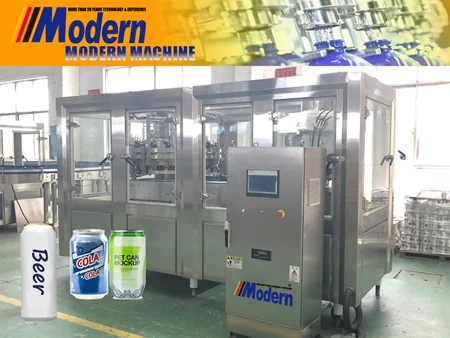
Las máquinas llenadoras de latas de pintura en aerosol se han convertido en un componente vital del panorama de fabricación y envasado, contribuyendo a la eficiencia y calidad de la entrega de productos en la industria de pinturas y recubrimientos. A medida que crece la demanda de los consumidores por la comodidad y la variedad, comprender las complejidades de los sistemas de llenado de aerosoles se vuelve más importante que nunca para los fabricantes que buscan optimizar sus operaciones y satisfacer las demandas del mercado. En este artículo, exploraremos la importancia de estas máquinas, los diferentes tipos disponibles, sus procesos y consejos para seleccionar el sistema perfecto para su negocio.
Comprender la tecnología de aerosoles
La tecnología de aerosoles es un método utilizado para distribuir una variedad de sustancias en una niebla fina o spray. Este método es especialmente popular en la industria de la pintura, donde la capacidad de aplicar recubrimientos de forma rápida y uniforme puede afectar significativamente la calidad del producto final. La transición de los métodos tradicionales de aplicación de pintura a la tecnología de aerosoles comenzó a medida que los fabricantes buscaban mejorar la eficiencia y reducir los residuos.
El núcleo de esta tecnología reside en la lata de aerosol, que permite la dispensación controlada de un producto cuando se presiona la boquilla. Las máquinas llenadoras utilizadas en este proceso aseguran que las latas se llenen de manera precisa y uniforme, lo que las convierte en un elemento crucial para mantener la integridad del producto.
Tipos de máquinas llenadoras de latas de pintura en aerosol
Existen varios sistemas para llenar latas de aerosol, cada uno diseñado para adaptarse a necesidades de fabricación específicas. Comprender los diferentes tipos puede ayudar a las empresas a tomar decisiones informadas con respecto a sus operaciones.
1. Máquinas llenadoras por gravedad
Las máquinas de gravedad o alimentadas por gravedad dependen de la fuerza de la gravedad para llenar las latas de aerosol, lo que las hace adecuadas para líquidos más ligeros. Estas máquinas tienden a ser más sencillas y rentables, lo que las hace ideales para tiradas de producción más pequeñas. Sin embargo, es posible que no ofrezcan el nivel de precisión o consistencia requerido por operaciones más grandes.
2. Máquinas llenadoras alimentadas por presión
Las máquinas llenadoras alimentadas por presión utilizan presión regulada para dispensar el líquido en la lata de aerosol. Este método es más eficiente para pinturas y recubrimientos más espesos. Además, mejora la uniformidad del producto y reduce los residuos, lo que resulta ventajoso para entornos de producción a mayor escala.
3. Máquinas llenadoras automáticas
Las máquinas llenadoras de aerosol totalmente automatizadas ofrecen el mayor nivel de eficiencia y fiabilidad. Son capaces de manejar varios pasos en el proceso de llenado, incluyendo la colocación de la lata, el llenado, el tapado y el etiquetado, sin intervención humana. Esta sofisticación conduce a un ahorro significativo en costes laborales y a una reducción del error humano.
El proceso de llenado
Comprender el proceso de llenado de latas de aerosol es esencial para los fabricantes que buscan optimizar sus operaciones. Un ciclo de llenado típico consta de varios pasos clave:
1. Preparación
Esta etapa inicial implica la limpieza e inspección de las latas antes del llenado. El control de calidad aquí asegura que solo los productos sin defectos pasen a la siguiente etapa, ayudando a mantener la integridad del producto llenado.
2. Llenado
Durante el proceso de llenado, la pintura líquida se bombea a las latas. La máquina llenadora seleccionada regula la cantidad dispensada para garantizar la consistencia. Los sistemas de monitoreo a menudo verifican el peso y los niveles de llenado para asegurar que cada lata cumpla con los estándares necesarios.
3. Presurización
Después del llenado, las latas se presurizan con gases como butano o propano, que permiten que el producto sea expulsado cuando se activa la boquilla. Este paso crucial ayuda a crear el propelente necesario para una correcta entrega del aerosol.
4. Tapado
El paso final implica tapar de forma segura las latas para evitar fugas y garantizar la seguridad. Una lata debidamente sellada también ayuda a preservar la vida útil, lo que hace que este paso sea esencial para la integridad del producto.
Cómo elegir la máquina llenadora de latas de pintura en aerosol adecuada
Seleccionar la máquina llenadora de latas de pintura en aerosol adecuada puede afectar significativamente la eficiencia operativa, la calidad del producto y la satisfacción del cliente. Aquí hay algunos factores cruciales a considerar al tomar su decisión:
1. Capacidad de producción
Considere sus necesidades de volumen de producción. Evalúe si su máquina necesitará manejar lotes pequeños u operaciones de alto volumen. Comprender este aspecto le ayudará a elegir entre sistemas manuales, semiautomáticos y totalmente automáticos.
2. Viscosidad del producto
Diferentes tipos de máquinas llenadoras son adecuadas para diversas viscosidades de líquido. Evaluar las propiedades físicas de su pintura, como el espesor o la formulación, le guiará hacia la máquina adecuada capaz de mantener niveles de llenado consistentes.
3. Coste de operación
Más allá de la inversión inicial, considere los costes operativos a largo plazo de la máquina, incluyendo el consumo de energía, el mantenimiento y el tiempo de inactividad. Un precio de compra más bajo no siempre equivale a un menor coste total de propiedad.
4. Espacio y distribución
Evalúe el espacio disponible para la máquina en sus instalaciones. Considere cómo el tamaño de la máquina elegida encaja en el diseño y flujo de trabajo existentes. Asegurarse de que haya suficiente espacio tanto para la eficiencia operativa como para un manejo seguro es primordial.
5. Cumplimiento de las normativas
La industria de los aerosoles está sujeta a diversas normativas de seguridad y medioambientales. Asegúrese de que cualquier máquina que considere cumpla con las normativas locales e internacionales relativas a emisiones, estándares de seguridad y procedimientos operativos.
Tendencias futuras en las máquinas llenadoras de latas de aerosol
La industria de la pintura en aerosol está en continua evolución, influenciada por los avances tecnológicos y las cambiantes demandas de los consumidores. Aquí hay algunas tendencias que se espera que den forma al futuro de las máquinas llenadoras de latas de aerosol:
1. Mayor automatización
A medida que los principios de la Industria 4.0 ganan terreno, más fabricantes están adoptando soluciones automatizadas que integran inteligencia artificial y aprendizaje automático para optimizar los procesos de producción. Este cambio conducirá a una mayor eficiencia, una reducción del tiempo de inactividad y mejores capacidades de análisis de datos.
2. Soluciones sostenibles
La preferencia de los consumidores por productos respetuosos con el medio ambiente está impulsando desarrollos en soluciones de aerosol sostenibles. Esto incluye la creación de máquinas diseñadas para minimizar los residuos y mejorar las opciones de reciclaje para las latas de aerosol.
3. Capacidades de personalización
A medida que la personalización se convierte en una tendencia clave, los fabricantes pueden requerir máquinas llenadoras que puedan acomodar tiradas más pequeñas de formulaciones personalizadas sin comprometer la eficiencia. Las máquinas que permiten cambios rápidos pueden satisfacer mejor esta necesidad.
Conclusión
El papel de las máquinas llenadoras de latas de pintura en aerosol en el mercado global no puede ser subestimado. Su capacidad para satisfacer las demandas de los consumidores y las empresas por igual las convierte en una parte integral de la industria de pinturas y recubrimientos. Al comprender los diversos tipos de máquinas disponibles, el proceso de llenado y las consideraciones necesarias para la selección, los fabricantes pueden mejorar sus operaciones y la calidad del producto. A medida que la tecnología avanza, mantenerse informado sobre las tendencias e innovaciones asegurará que su negocio siga siendo competitivo y capaz de cumplir con las expectativas cambiantes de los clientes.
A medida que navega por su trayectoria en la industria de los aerosoles, priorice no solo la eficiencia y la rentabilidad, sino también la sostenibilidad y la adaptabilidad. La solución de llenado de latas de pintura en aerosol adecuada servirá como catalizador para el crecimiento, la innovación y el éxito en el mercado.


