
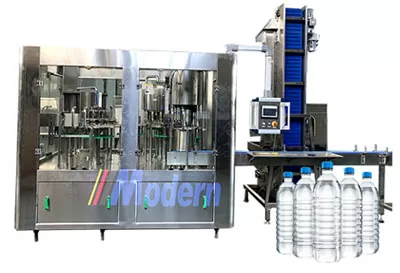
En el mundo de la fabricación y el envasado, las máquinas llenadoras desempeñan un papel indispensable para garantizar la eficiencia, la precisión y la consistencia. A medida que las industrias siguen evolucionando, la tecnología detrás de las máquinas llenadoras ha avanzado significativamente, ofreciendo a las empresas una variedad de opciones adaptadas a sus necesidades específicas. Este artículo profundiza en las complejidades de las máquinas llenadoras, explorando sus tipos, aplicaciones, ventajas y tendencias futuras, al tiempo que proporciona información práctica para las empresas que buscan optimizar sus procesos de llenado.
Entendiendo las máquinas llenadoras
Las máquinas llenadoras son dispositivos automatizados diseñados para dispensar un volumen específico de sustancias líquidas, en polvo o granuladas en recipientes como botellas, frascos o bolsas. Estas máquinas son cruciales en diversos sectores, incluidos el de alimentos y bebidas, farmacéutico, cosmético y químico. El objetivo principal de una máquina llenadora es mejorar la eficiencia de la producción manteniendo altos estándares de precisión e higiene.
Tipos de máquinas llenadoras
Las máquinas llenadoras se pueden clasificar ampliamente según su mecanismo y el tipo de producto que manejan. Comprender estas categorías puede ayudar a las empresas a seleccionar la máquina más adecuada para sus operaciones.
1. Máquinas llenadoras de líquidos
Las máquinas llenadoras de líquidos están diseñadas para manejar una amplia gama de líquidos, desde agua hasta sustancias viscosas como salsas y cremas. Se pueden dividir aún más en:
- Máquinas de llenado volumétrico: Estas máquinas dispensan un volumen predeterminado de líquido, lo que garantiza la consistencia entre lotes.
- Máquinas llenadoras gravimétricas: Utilizando sensores de peso, estas máquinas llenan los recipientes en función del peso, lo que puede ser particularmente útil para productos de alta viscosidad.
- Máquinas llenadoras neumáticas: Estas máquinas utilizan aire comprimido para llenar los recipientes, lo que las hace adecuadas para líquidos espumosos.
2. Máquinas llenadoras de polvo
Las máquinas llenadoras de polvo están diseñadas específicamente para manejar sustancias en polvo. Se pueden clasificar en:
- Máquinas llenadoras de sinfín (auger): Estas máquinas utilizan un sinfín giratorio para dispensar polvos, ideal para productos como harina y azúcar.
- Máquinas llenadoras por gravedad: Utilizando la gravedad, estas máquinas permiten que los polvos fluyan hacia los recipientes, adecuadas para polvos de flujo libre.
3. Máquinas llenadoras de gránulos
Las máquinas llenadoras de gránulos se utilizan para productos como semillas, granos y pellets. Generalmente operan utilizando principios similares a los de las máquinas llenadoras de polvo, pero están diseñadas para adaptarse a tamaños de partículas más grandes.
Aplicaciones de las máquinas llenadoras
Las máquinas llenadoras encuentran aplicaciones en diversas industrias, cada una con requisitos y desafíos únicos. Comprender estas aplicaciones puede ayudar a las empresas a identificar la máquina adecuada para sus necesidades.
1. Industria de alimentos y bebidas
En el sector de alimentos y bebidas, las máquinas llenadoras se utilizan para envasar líquidos como jugos, salsas y productos lácteos, así como polvos como especias y harina. La higiene y el cumplimiento de las normas sanitarias son primordiales en esta industria, lo que hace que la selección de la tecnología de llenado adecuada sea crucial.
2. Industria farmacéutica
La industria farmacéutica depende en gran medida de las máquinas llenadoras para el envasado de medicamentos, tanto en forma líquida como en polvo. La precisión es fundamental en este sector, ya que las dosis incorrectas pueden tener consecuencias graves. Por lo tanto, las máquinas deben cumplir con estrictas normas reglamentarias.
3. Industria cosmética
Los cosméticos y productos de cuidado personal, como lociones, cremas y perfumes, requieren máquinas llenadoras especializadas que puedan manejar sustancias viscosas y volátiles. La estética del envasado también es importante en esta industria, ya que influye en la percepción del consumidor y en la imagen de marca.
4. Industria química
En el sector químico, las máquinas llenadoras se utilizan para envasar una variedad de sustancias, incluidos materiales peligrosos. Las características de seguridad y una construcción robusta son esenciales para garantizar una manipulación segura y el cumplimiento de las normas medioambientales.
Ventajas de utilizar máquinas llenadoras
Invertir en máquinas llenadoras ofrece numerosas ventajas que pueden mejorar significativamente la eficiencia operativa y la calidad del producto.
1. Mayor eficiencia
Las máquinas llenadoras automatizan el proceso de llenado, reduciendo el tiempo y la mano de obra necesarios en comparación con el llenado manual. Esta mayor eficiencia permite a las empresas aumentar la producción sin comprometer la calidad.
2. Consistencia y precisión
Las máquinas llenadoras automatizadas garantizan que cada recipiente se llene según las especificaciones exactas, lo que reduce el riesgo de llenado excesivo o insuficiente. Esta consistencia es crucial para mantener la calidad del producto y cumplir con las expectativas del cliente.
3. Reducción de los costos laborales
Al automatizar el proceso de llenado, las empresas pueden reducir su dependencia de la mano de obra manual, lo que resulta en menores costos laborales y minimiza


