En el mundo moderno, donde las demandas de los consumidores y la eficiencia de la cadena de suministro evolucionan continuamente, los fabricantes de plantas embotelladoras desempeñan un papel fundamental en la producción y distribución de diversas bebidas. Desde refrescos hasta agua embotellada, licores e incluso líquidos industriales, el sector del embotellado ha experimentado cambios significativos en tecnología y operaciones. Este artículo ofrece una exploración profunda de la industria de fabricación de plantas embotelladoras, centrándose en las tendencias, tecnologías y mejores prácticas que definen su panorama.
El proceso de embotellado: una visión general
El proceso de embotellado implica varias etapas clave que transforman las materias primas en productos terminados listos para el consumo. Estas incluyen:
- Preparación de los ingredientes: Esta etapa implica el abastecimiento y la preparación de las materias primas para la bebida, incluyendo pruebas de calidad del agua, aromatización y carbonatación para refrescos.
- Preparación y mezcla: Para bebidas alcohólicas o bebidas aromatizadas, esta fase garantiza la mezcla y fermentación adecuadas de acuerdo con las recetas establecidas.
- Llenado: Esta fase implica el embotellado real de los productos, donde el líquido se dispensa en contenedores utilizando equipos de precisión para minimizar el desperdicio y mantener la higiene.
- Tapado y sellado: Después del llenado, las botellas deben taparse y sellarse para garantizar la calidad y seguridad del producto durante la distribución.
- Etiquetado y envasado: Finalmente, las botellas se etiquetan y empaquetan para su almacenamiento y transporte a puntos de venta minoristas o consumidores directos.
El papel de los fabricantes de plantas embotelladoras
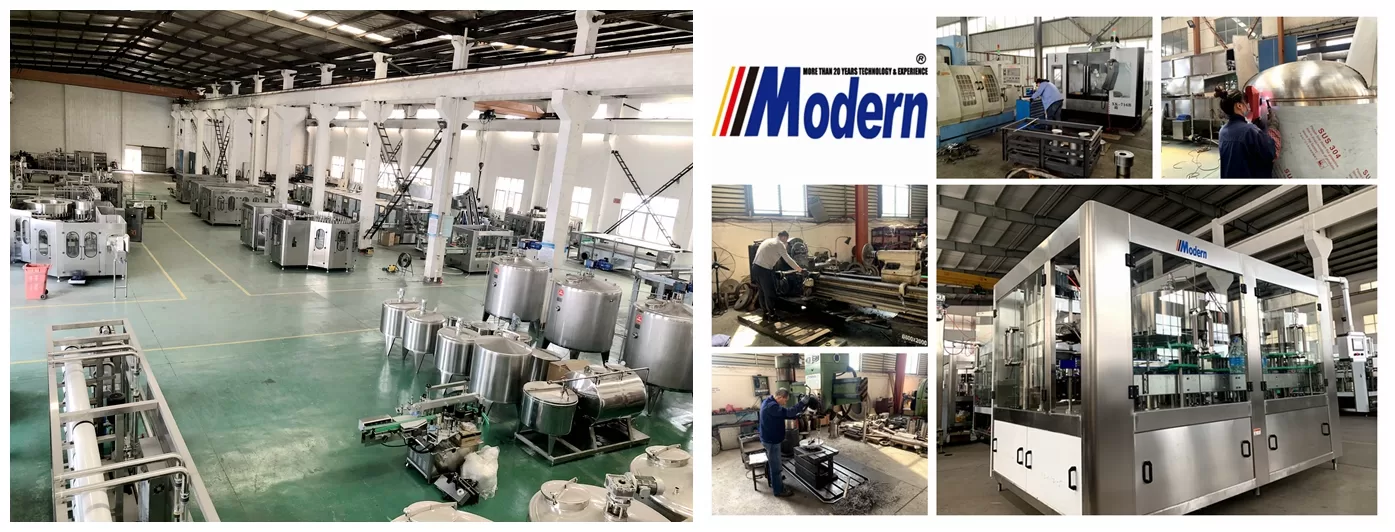
Los fabricantes de plantas embotelladoras proporcionan la maquinaria, el equipo y la experiencia necesarios a lo largo de estas etapas. Su papel va más allá de la mera producción; son fundamentales para garantizar la calidad, la escalabilidad y el cumplimiento de las normas de seguridad y reglamentarias.
Equipos y tecnologías clave
Invertir en equipos de última generación es esencial para las plantas embotelladoras modernas. Algunas tecnologías cruciales incluyen:
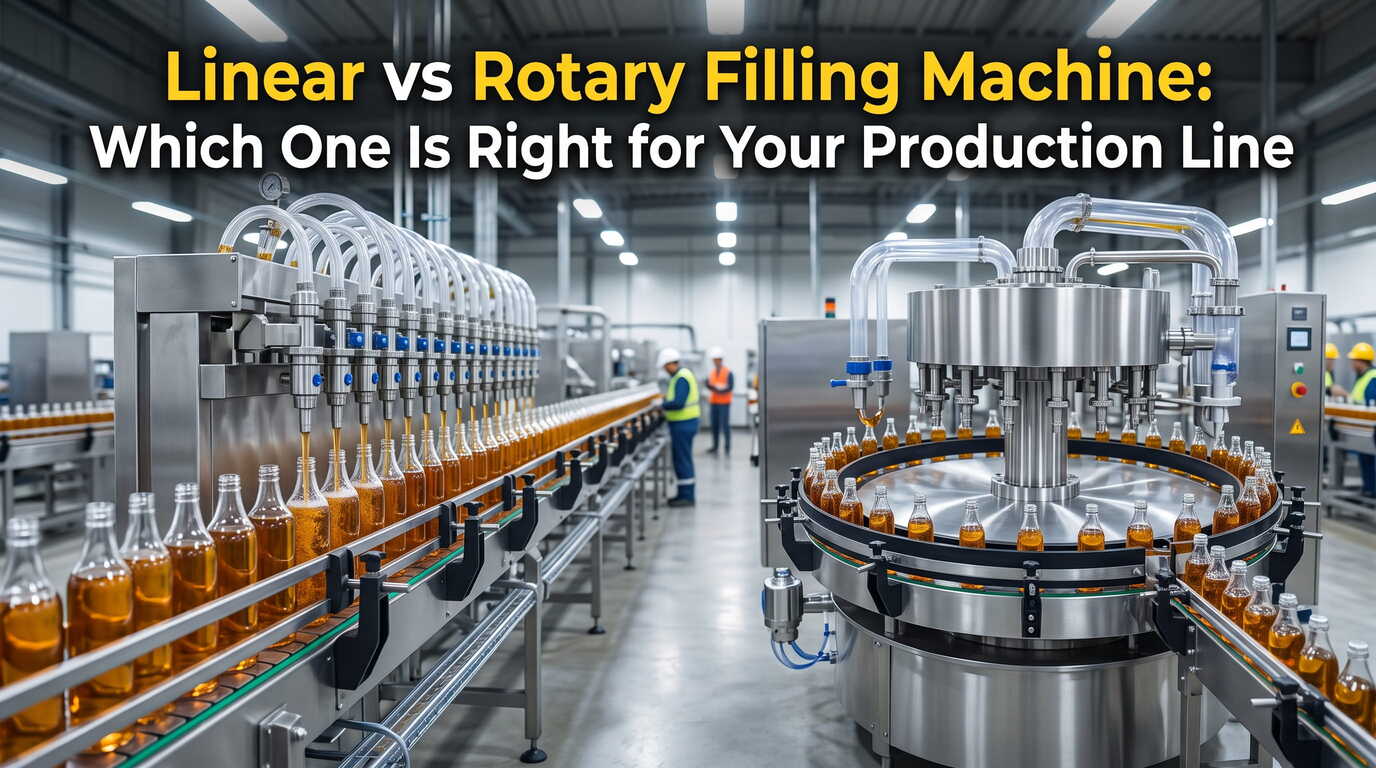
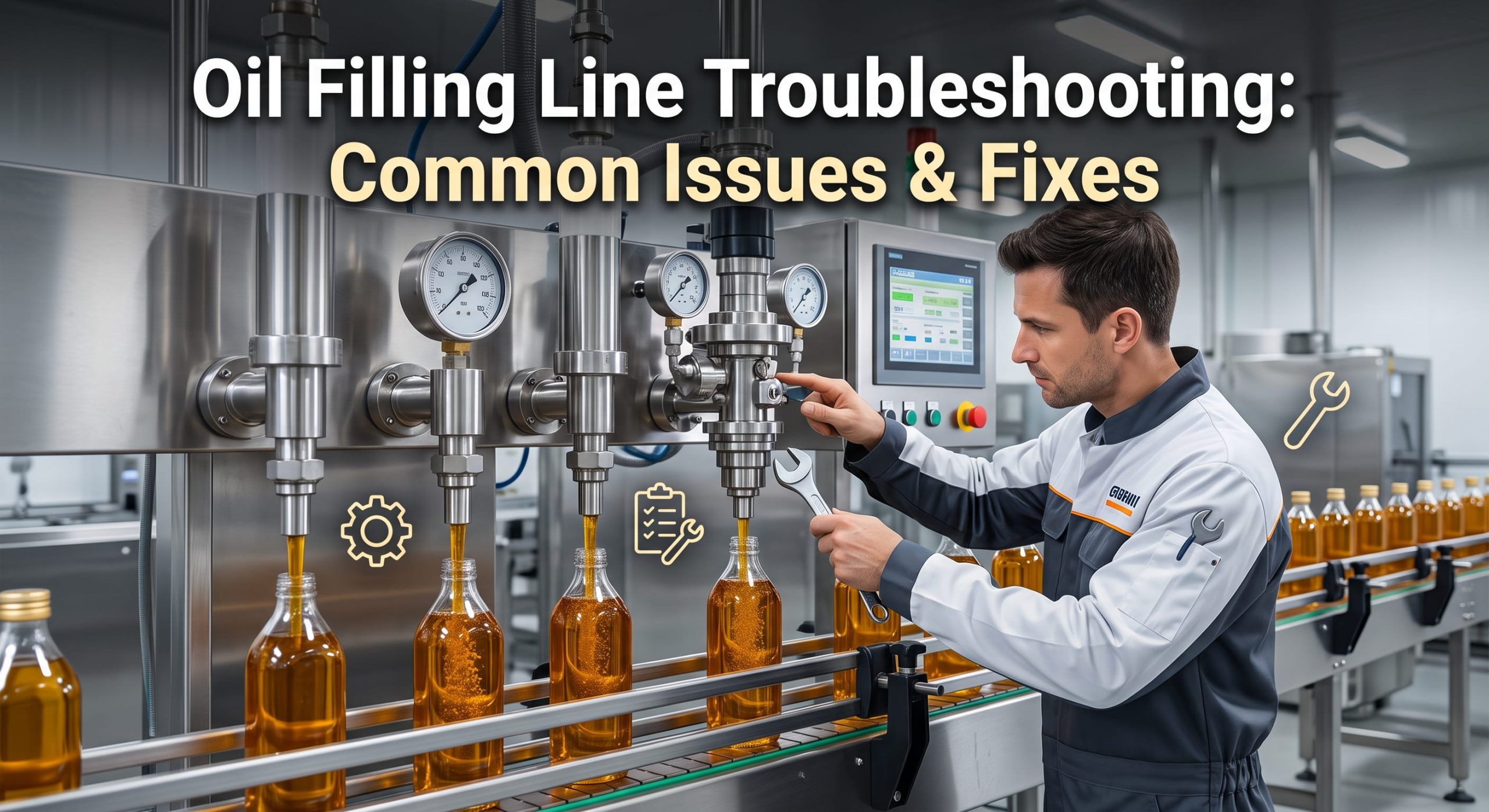
- Máquinas de llenado: Estas máquinas pueden ser totalmente automatizadas o semiautomatizadas, ofreciendo capacidades de llenado de precisión que minimizan los derrames y garantizan la uniformidad.
- Equipos de tapado: La integridad de un producto depende en gran medida del proceso de sellado. Las máquinas tapadoras varían mucho en diseño, con opciones como tapado a rosca, a presión y con corcho para adaptarse a diferentes tipos de productos.
- Sistemas de etiquetado: El etiquetado eficiente es crucial para la marca y el cumplimiento normativo. Las máquinas etiquetadoras modernas pueden aplicar etiquetas a altas velocidades y mantener la consistencia de la marca.
- Sistemas de inspección: El control de calidad es primordial en el embotellado. Los sistemas de inspección automatizados pueden detectar problemas como niveles de llenado, colocación de etiquetas e incluso la integridad de la tapa.
- Soluciones de envasado: Los fabricantes también deben centrarse en cómo se empaquetan los productos para el transporte, adoptando prácticas sostenibles para reducir el impacto ambiental.
Tendencias que dan forma a la industria del embotellado
Han surgido varias tendencias que afectan a los fabricantes de plantas embotelladoras y sus operaciones:
1. Sostenibilidad y prácticas ecológicas
A medida que crece la conciencia sobre los problemas ambientales, la demanda de prácticas sostenibles se ha convertido en una consideración crucial para las plantas embotelladoras. Los fabricantes están cada vez más comprometidos con la reducción del uso de plástico, la implementación de programas de reciclaje y la utilización de fuentes de energía renovables.
2. Automatización e Industria 4.0
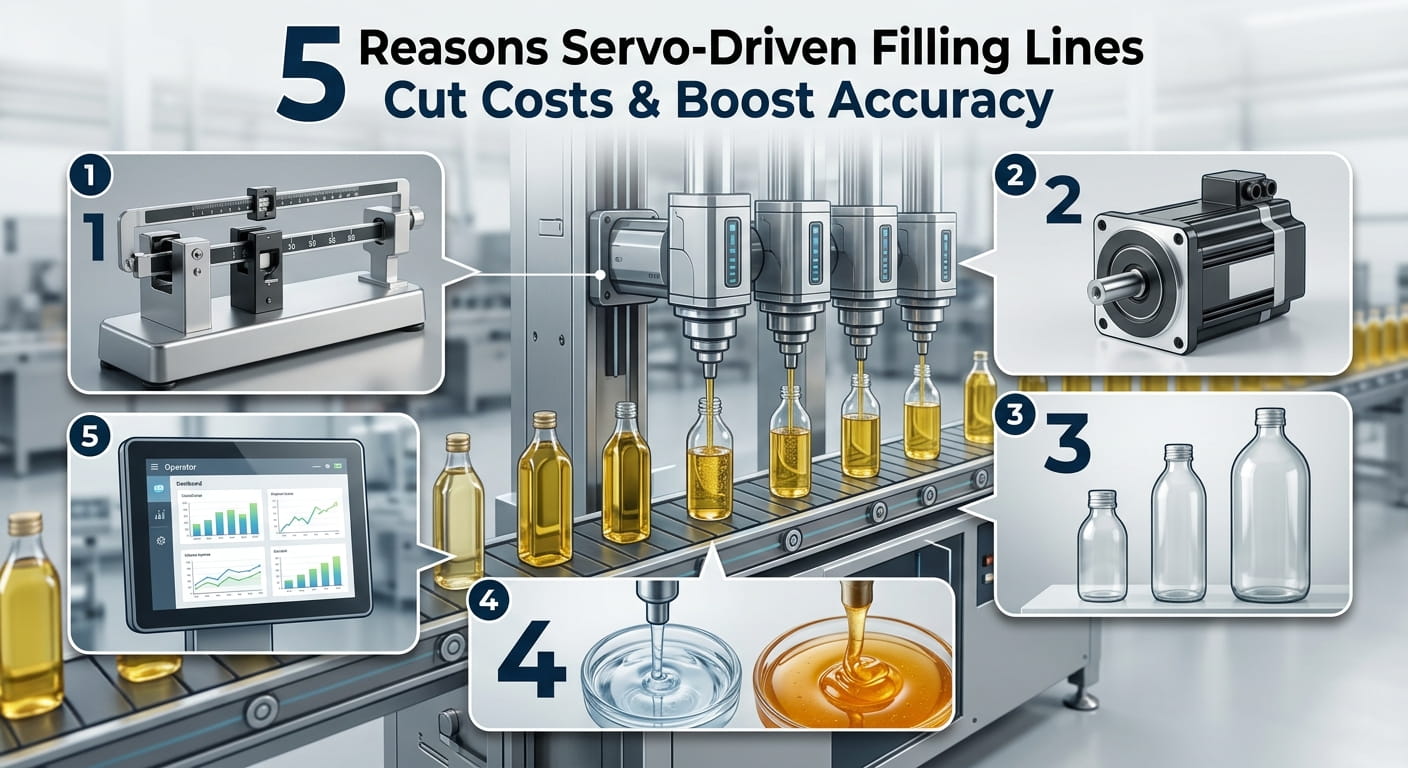
La llegada de la tecnología de la Industria 4.0 trae consigo la automatización, las máquinas inteligentes y el Internet de las cosas (IoT) en las operaciones de embotellado. El análisis de datos en tiempo real permite a los fabricantes optimizar los procesos de producción, reducir el tiempo de inactividad y mejorar la eficiencia general.
3. Personalización y variedad de productos
Las preferencias de los consumidores cambian constantemente, lo que genera una mayor demanda de personalización de productos. Por lo tanto, los fabricantes de plantas embotelladoras deben diseñar sistemas flexibles que puedan manejar diversos tipos y tamaños de contenedores, adaptándose a tiradas cortas de productos especializados junto con bebidas producidas en masa.
4. Regulaciones de salud y seguridad
A raíz de las crisis sanitarias mundiales, se han acelerado las estrictas regulaciones en torno a la higiene y la seguridad en la fabricación de alimentos. Las plantas embotelladoras están invirtiendo en procesos de saneamiento integrales, incluidos protocolos de limpieza mejorados y capacitación de los empleados.
Elegir el fabricante de plantas embotelladoras adecuado
Elegir un fabricante de plantas embotelladoras es una decisión importante que puede influir enormemente en el éxito de una empresa de bebidas. Al seleccionar un socio, las partes interesadas deben considerar los siguientes factores:
1. Experiencia y conocimiento de la industria
Busque fabricantes con amplia experiencia en la industria del embotellado. Su profundo conocimiento puede ofrecer ventajas significativas, incluyendo información sobre mejores prácticas, cumplimiento normativo y demandas del mercado.
2. Tecnología e innovación
Considere un fabricante que priorice la tecnología y la innovación. La capacidad de integrar la maquinaria, las soluciones de software y la automatización más recientes puede conducir a una mayor eficiencia y menores costos operativos.
3. Capacidades de personalización
Cada producto de bebida tiene requisitos específicos. Asegúrese de que el fabricante pueda satisfacer sus necesidades específicas, ya sea para llenado, tapado, etiquetado o empaquetado. La flexibilidad en la producción es crucial para adaptarse a los cambios del mercado.
4. Soporte posventa y mantenimiento
Evaluar el soporte posventa proporcionado por un fabricante de plantas embotelladoras es esencial. Un equipo de servicio receptivo es vital para minimizar el tiempo de inactividad y garantizar que el equipo permanezca operativo y eficiente.
Optimización de las operaciones para una mayor eficiencia
Una vez que una planta embotelladora está en funcionamiento, el enfoque cambia a la optimización de las operaciones para lograr la máxima productividad. Aquí hay algunos enfoques estratégicos:
1. Capacitación regular para el personal
Una fuerza laboral conocedora es fundamental. Las sesiones de capacitación regulares mantienen al personal informado sobre los equipos y procesos más recientes, adoptando así las mejores prácticas operativas que mejoran la productividad.
2. Implementación de principios de fabricación ajustada (Lean Manufacturing)
La manufactura esbelta (Lean manufacturing) se centra en minimizar el desperdicio sin sacrificar la productividad. Las plantas embotelladoras pueden beneficiarse evaluando su flujo de trabajo, identificando cuellos de botella y refinando continuamente sus procesos.
3. Adoptar decisiones basadas en datos
La utilización de análisis de datos proporciona información sobre las métricas de producción, lo que permite una toma de decisiones informada. Los datos de fabricación pueden ayudar a identificar problemas potenciales antes de que se agraven, mejorando la eficiencia y evitando tiempos de inactividad.
Perspectivas futuras: El futuro de la industria embotelladora
A medida que la industria embotelladora avanza, se pueden esbozar varias proyecciones clave:
- Mayor demanda de bebidas funcionales: Es probable que la tendencia de los consumidores conscientes de la salud siga impulsando la demanda de bebidas con beneficios nutricionales, lo que llevará a los fabricantes a adaptar sus procesos en consecuencia.
- Innovaciones en envases sostenibles: El énfasis en la sostenibilidad conducirá a nuevas innovaciones en materiales de embalaje, incluidas opciones biodegradables y reciclables.
- Expansión en mercados emergentes: Regiones como Asia-Pacífico y África experimentarán un crecimiento significativo en el consumo de bebidas, lo que brindará oportunidades para que las plantas embotelladoras amplíen su alcance.
En conclusión, los fabricantes de plantas embotelladoras son actores fundamentales en la cadena de suministro global de bebidas. A medida que navegan por las complejidades de la modernización, la sostenibilidad y las preferencias de los consumidores, la clave del éxito reside en la innovación, la flexibilidad y la excelencia operativa. Al adoptar estos principios, los fabricantes no solo pueden satisfacer las necesidades inmediatas de sus clientes, sino también posicionarse para un futuro próspero en una industria en constante evolución.