La cerveza artesanal es mucho más que una bebida; es una forma de arte que implica creatividad, calidad y pasión. A medida que la industria de la cerveza artesanal sigue creciendo a nivel mundial, las cervecerías de todos los tamaños se enfrentan al desafío de escalar su producción sin comprometer la calidad. Un elemento crítico de este proceso es la máquina llenadora, diseñada específicamente para la cerveza artesanal. Este artículo profundizará en las diversas dimensiones de las máquinas llenadoras de cerveza artesanal, ofreciendo consejos prácticos y conocimientos valiosos para las cervecerías que buscan invertir en una.
Entendiendo las máquinas llenadoras de cerveza artesanal
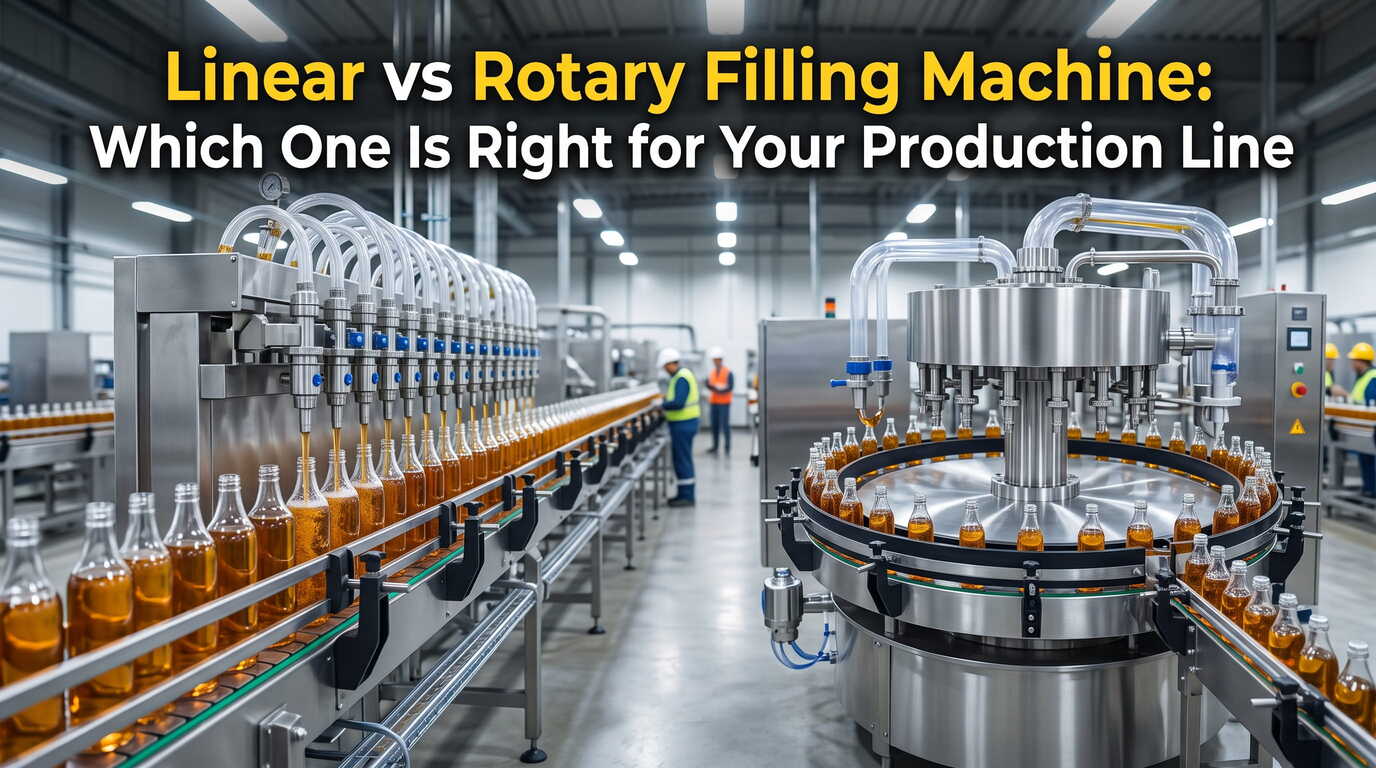
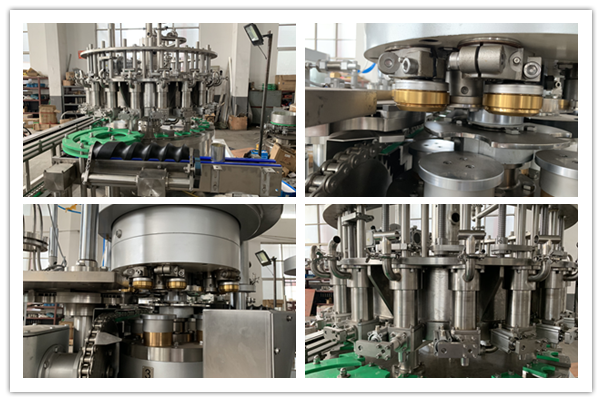
Las máquinas llenadoras de cerveza artesanal desempeñan un papel fundamental en el proceso de envasado. Están diseñadas para llenar botellas, latas o barriles con cerveza, garantizando al mismo tiempo que el producto se mantenga fresco y libre de contaminación. Existen diferentes tipos de máquinas llenadoras adaptadas a diversos tipos de envases y necesidades de producción. Comprender estas diferencias es vital para cualquier cervecería que considere una inversión.
Tipos de máquinas llenadoras
Existen principalmente dos tipos de máquinas llenadoras utilizadas en la industria de la cerveza artesanal: llenadoras por gravedad y llenadoras a presión.
- Llenadoras por gravedad: Estas máquinas utilizan la fuerza natural de la gravedad para llenar los envases. Son las más adecuadas para cervezas con baja carbonatación, ya que el proceso de llenado minimiza el riesgo de espuma y derrames. Las llenadoras por gravedad suelen ser más rentables, lo que las convierte en una opción popular para las cervecerías más pequeñas.
- Llenadoras a presión: Estas máquinas están equipadas para manejar cervezas altamente carbonatadas. Utilizan presión para empujar la cerveza hacia los envases, reduciendo significativamente la formación de espuma. Las llenadoras a presión son más complejas y pueden manejar un mayor volumen de cerveza, lo que las hace ideales para cervecerías más grandes que buscan aumentar la eficiencia.
Consideraciones clave al elegir una máquina llenadora de cerveza artesanal
Seleccionar la máquina llenadora de cerveza artesanal adecuada puede afectar significativamente la eficiencia de la línea de producción y la calidad del producto de su cervecería. Estos son algunos factores esenciales a considerar:
Volumen de producción
La primera pregunta que toda cervecería debe responder es: ¿cuál es el volumen de producción esperado? Las pequeñas cervecerías artesanales pueden requerir solo una llenadora por gravedad semiautomática, mientras que las operaciones más grandes pueden necesitar una llenadora a presión totalmente automática. Comprender los objetivos futuros de su cervecería puede ayudar a seleccionar el equipo adecuado.
Tipo de envasado
¿Planea llenar botellas, latas o barriles? Cada tipo de envase requiere diferentes consideraciones y máquinas. Por ejemplo, si una cervecería planea expandirse al enlatado, sería prudente invertir en una línea de llenado de latas. Por el contrario, si el enfoque sigue siendo principalmente en las botellas, una línea de embotellado sería suficiente.
Consideraciones presupuestarias
Al igual que cualquier compra de equipo, el presupuesto es una consideración importante. Si bien el costo inicial de una máquina llenadora es esencial, las cervecerías también deben tener en cuenta la eficiencia operativa, el mantenimiento y la posible expansión futura al evaluar las opciones presupuestarias.
Carbonatación de la cerveza
El nivel de carbonatación de su cerveza dictará en gran medida el tipo de máquina llenadora que necesita. Considere invertir en una llenadora a presión si produce cervezas altamente carbonatadas para evitar la espuma y la pérdida de calidad del producto. Las cervezas con menor carbonatación pueden ser manejadas eficientemente por llenadoras por gravedad.
Niveles de automatización
La automatización juega un papel crucial en la maximización de la eficiencia. Las máquinas totalmente automatizadas pueden reducir significativamente los costos laborales y aumentar las tasas de producción, mientras que las máquinas semiautomáticas requieren una mayor intervención manual. Determine el nivel de automatización adecuado que se alinee con la capacidad operativa y la disponibilidad de mano de obra de su cervecería.
Configuración de su equipo de llenado
Una vez seleccionada la máquina llenadora, es crucial configurarla correctamente. La instalación y configuración adecuadas son fundamentales para garantizar un rendimiento óptimo y la calidad del producto.
Mantenimiento de los estándares de higiene
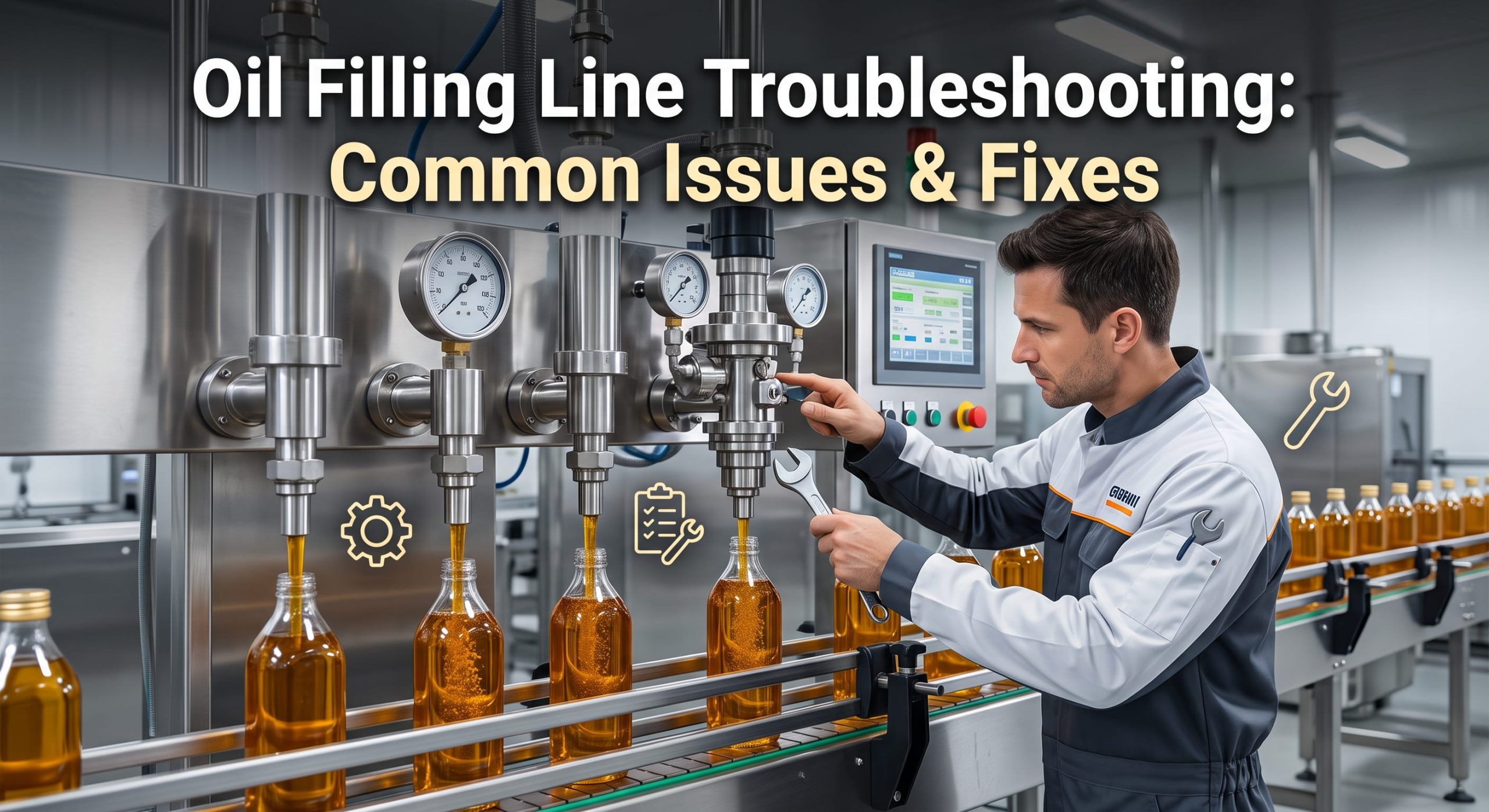
La higiene no es negociable en la elaboración de cerveza. Antes de configurar el equipo de llenado, asegúrese de que el área esté desinfectada y que la máquina se haya limpiado de acuerdo con las pautas del fabricante. Los controles de mantenimiento regulares pueden prevenir la contaminación y el deterioro.
Calibración y pruebas
Después de la instalación, calibrar la máquina es fundamental. Realice varias pruebas para medir los niveles de llenado y ajuste según sea necesario. Esto asegurará que cada botella o lata se llene de manera consistente y precisa, manteniendo así los estándares del producto.
Maximizar la eficiencia con tecnología
La industria de la cerveza artesanal está evolucionando rápidamente, y también lo hacen las máquinas llenadoras. La implementación de tecnología puede mejorar la eficiencia operativa y la calidad de la producción.
Sistemas de monitoreo
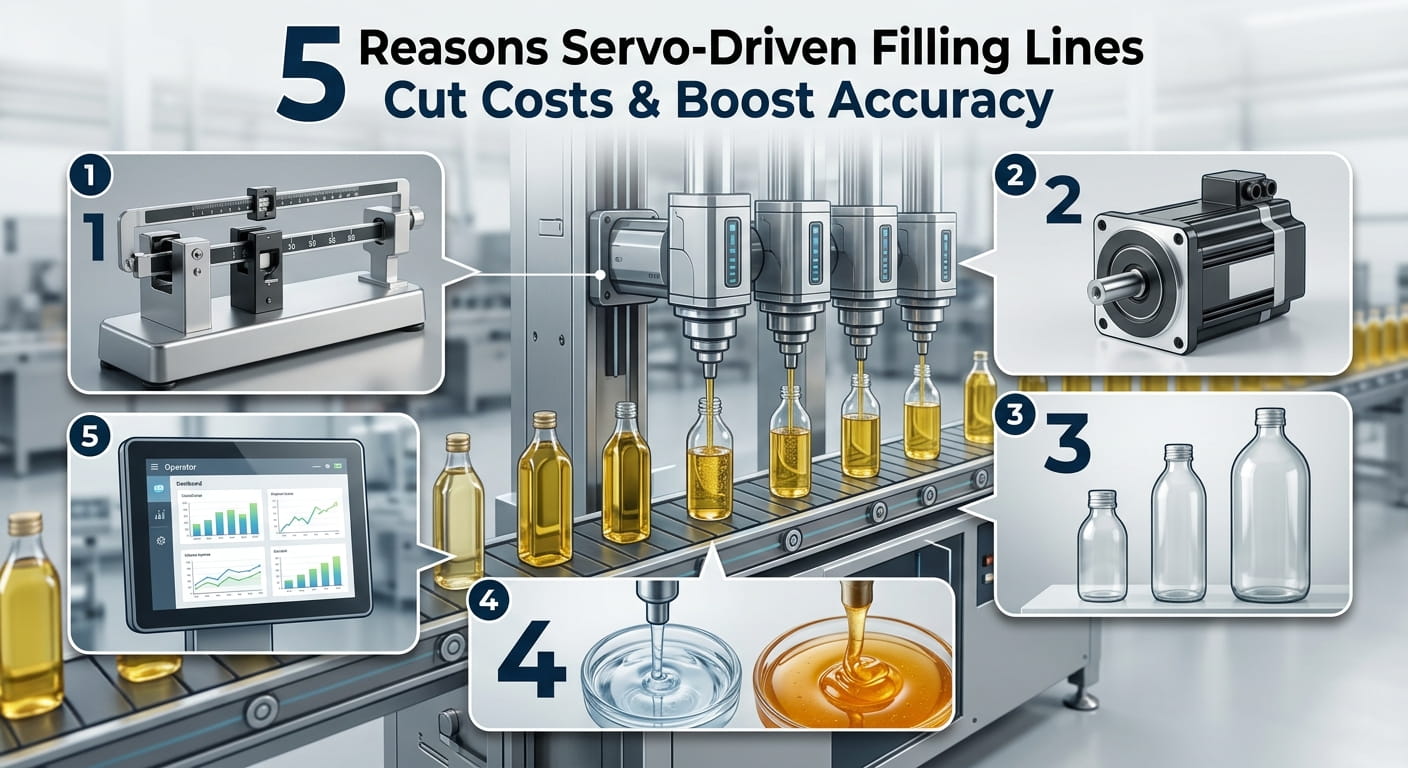
Invierta en máquinas llenadoras equipadas con sistemas de monitoreo para obtener información en tiempo real sobre el proceso de llenado. Esto puede ayudar a identificar problemas a tiempo, como el llenado insuficiente o excesivo, lo que permite realizar ajustes inmediatos y minimizar el desperdicio.
Integración con otros equipos
Considere qué tan bien se integra el equipo de llenado con el resto de su línea de elaboración y envasado. Una integración fluida garantiza un flujo de trabajo sin interrupciones, aumentando la eficiencia general. Busque soluciones que ofrezcan compatibilidad con etiquetadoras, sistemas de empaque y cintas transportadoras.
Preparando su cervecería para el futuro
Se prevé que la industria de la cerveza artesanal continúe su trayectoria de crecimiento. Al invertir en una máquina llenadora, considere el potencial de expansión futura.
Escalabilidad del equipo
Seleccione equipos que permitan actualizaciones o expansiones. Esta flexibilidad puede ahorrar costos a largo plazo, ya que puede agregar componentes o aumentar la capacidad sin reemplazar toda la máquina.
Prácticas de sostenibilidad
A medida que más consumidores priorizan la sostenibilidad, considere máquinas llenadoras diseñadas teniendo en cuenta la eficiencia energética. Las máquinas que consumen menos energía y reducen los residuos pueden mejorar la reputación de su cervecería y contribuir positivamente al medio ambiente.
Conclusión
Invertir en la máquina llenadora de cerveza artesanal adecuada es una decisión crítica para cualquier cervecería, ya que afecta la eficiencia, la calidad y la escalabilidad. Al comprender los diferentes tipos de máquinas llenadoras, considerar factores esenciales como el volumen de producción y el presupuesto, e incorporar tecnología y prácticas de sostenibilidad, las cervecerías pueden posicionarse para el éxito en el dinámico mercado de la cerveza artesanal.
A medida que la industria evoluciona, mantenerse informado sobre los avances tecnológicos y las tendencias del mercado permitirá a las cervecerías tomar las mejores decisiones para sus operaciones. Con una planificación cuidadosa y la máquina llenadora adecuada, la experiencia de la cerveza artesanal puede seguir cautivando y deleitando a los amantes de la cerveza en todo el mundo.