
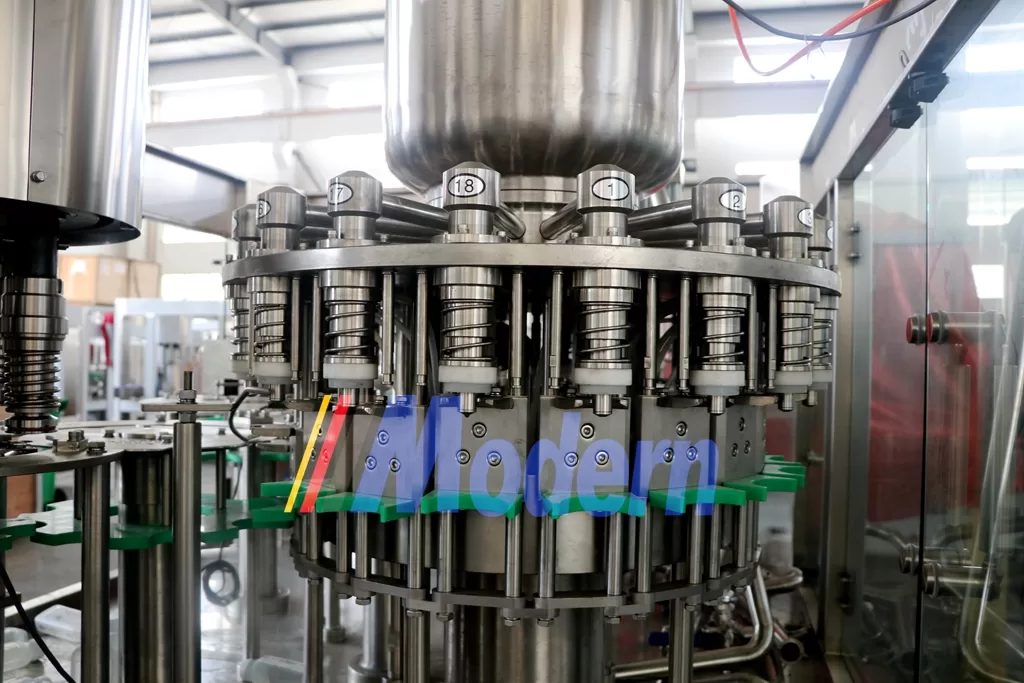
A medida que las preferencias de los consumidores en torno a la salud y el bienestar evolucionan, la demanda de productos de jugo frescos y naturales sigue aumentando. La introducción de las máquinas llenadoras de jugo ha revolucionado la industria de las bebidas, optimizando los procesos de producción y manteniendo al mismo tiempo la integridad y la calidad del producto. En este artículo, exploraremos la importancia de las máquinas llenadoras de jugo, sus tipos, principios operativos, consideraciones para su selección y las mejores prácticas de mantenimiento, todo ello adaptado para quienes participan en el comercio exterior y el sector de las bebidas.
La creciente importancia de las máquinas llenadoras de jugo
El auge del consumidor consciente de su salud ha obligado a muchos fabricantes a invertir en líneas de producción de jugo eficientes. Las máquinas llenadoras de jugo son fundamentales en este panorama, ya que son responsables de envasar líquidos de forma precisa y eficiente, garantizando al mismo tiempo la higiene y la frescura. Sirven como un puente esencial entre el proceso de producción y el mercado de consumo, facilitando la distribución de una variedad de productos de jugo, desde mezclas tropicales hasta jugos de vegetales orgánicos.
Beneficios de utilizar máquinas llenadoras de jugo
Las máquinas llenadoras de jugo modernas ofrecen numerosas ventajas que mejoran tanto la eficiencia de la producción como la calidad del producto. Estos son algunos de los beneficios clave:
- Eficiencia: Los sistemas automatizados pueden operar a altas velocidades, aumentando significativamente el volumen de jugo envasado por hora.
- Consistencia: Las máquinas llenadoras garantizan la uniformidad en la cantidad de jugo por botella, lo cual es fundamental para mantener la calidad y la confianza del consumidor.
- Higiene: Los sistemas automatizados reducen el contacto humano, minimizando el riesgo de contaminación durante el proceso de envasado.
- Versatilidad: Muchas máquinas pueden manejar varios tamaños y formas de botellas, adaptándose a una amplia gama de productos de jugo.
Tipos de máquinas llenadoras de zumos
Comprender los diversos tipos de máquinas llenadoras de jugo disponibles puede ayudar a los fabricantes a seleccionar el equipo adecuado para sus necesidades de producción. Los tipos más comunes incluyen:
1. Máquinas de llenado por gravedad
Las máquinas llenadoras por gravedad utilizan el principio de gravedad para dispensar líquido en las botellas. Por lo general, son adecuadas para líquidos no carbonatados y son favorables para jugos menos viscosos. Estas máquinas son fáciles de operar y mantener, lo que las convierte en una excelente opción para líneas de producción más pequeñas.
2. Máquinas de llenado a presión
Las máquinas llenadoras a presión utilizan presión para llenar los recipientes. Este método es eficaz para jugos más espesos, asegurando que el llenado sea preciso y eficiente. Estas máquinas a menudo requieren un mantenimiento más complejo, pero pueden aumentar drásticamente la productividad.
3. Máquinas de llenado al vacío
Las máquinas llenadoras al vacío funcionan creando un vacío que atrae el líquido hacia el recipiente. Esta tecnología es particularmente útil para llenar bebidas carbonatadas y preserva las cualidades naturales del jugo, como el sabor y la frescura.
4. Máquinas llenadoras de pistón
Las máquinas llenadoras de pistón utilizan un mecanismo de pistón para llenar botellas con un volumen preciso de jugo. Este tipo es versátil y puede adaptarse a una variedad de viscosidades de líquido, lo que lo hace ideal para fabricantes que producen una gama diversa de jugos.
Principios operativos de las máquinas llenadoras de jugo
Para maximizar la eficiencia y la productividad, es crucial comprender cómo funcionan las máquinas llenadoras de jugo. Si bien los detalles pueden variar según el tipo de máquina, se aplican varios principios fundamentales:
1. Sistemas de detección
Las máquinas llenadoras de jugo modernas están equipadas con sistemas de detección que aseguran que cada recipiente esté presente antes del llenado. Este sistema reduce el desperdicio y evita el llenado de botellas vacías o colocadas incorrectamente.
2. Mecanismos de llenado
El mecanismo de llenado varía según el tipo de máquina, pero generalmente implica métodos basados en gravedad o presión. Estos sistemas están diseñados para garantizar que cada botella reciba un volumen constante de jugo.
3. Tapado y sellado
Después del llenado, las máquinas también pueden integrar procesos de tapado y sellado para preparar las botellas para su distribución. Los sistemas de tapado automatizados son cruciales para garantizar que los productos mantengan su frescura y estén libres de contaminación.
Factores a considerar al seleccionar máquinas llenadoras de jugo
Al elegir una máquina llenadora de jugo, los fabricantes deben considerar varios factores críticos para asegurarse de seleccionar un sistema adecuado para sus operaciones:
1. Volumen de producción
Evaluar el volumen de producción es vital, ya que influye en el tipo de máquina requerida. Las agencias deben evaluar las necesidades actuales y la escalabilidad futura para garantizar que el equipo pueda adaptarse al crecimiento.
2. Características del zumo
La viscosidad y la composición del jugo que se procesa determinarán el tipo de llenadora adecuado. Los jugos más espesos pueden requerir máquinas llenadoras de pistón o a presión, mientras que los líquidos más ligeros podrían procesarse adecuadamente con llenadoras por gravedad.
3. Presupuesto
Las consideraciones presupuestarias juegan un papel vital en la selección del equipo. Si bien las máquinas más avanzadas pueden ofrecer una mejor eficiencia, los fabricantes deben equilibrar los costos iniciales con las necesidades de producción previstas y los presupuestos operativos.
4. Espacio y dimensiones
Las limitaciones de espacio dentro de la instalación de producción pueden afectar la selección de la máquina. Es esencial medir el espacio disponible antes de comprometerse con un diseño de máquina específico.
5. Nivel de automatización
Evalúe el nivel de automatización deseado. Los sistemas totalmente automatizados requieren mayores inversiones iniciales, pero pueden reducir significativamente los costos laborales a largo plazo.
Mejores prácticas para el mantenimiento de máquinas llenadoras de jugo
El mantenimiento regular es crucial para garantizar la longevidad y la eficiencia de las máquinas llenadoras de jugo. Estas son algunas de las mejores prácticas:
1. Limpieza regular
Mantenga cronogramas de limpieza estrictos para evitar la contaminación y garantizar el cumplimiento de las normas sanitarias. La limpieza profunda debe realizarse antes y después de las jornadas de producción.
2. Inspecciones rutinarias
Realice inspecciones periódicas para identificar el desgaste. La detección temprana puede prevenir problemas más importantes que podrían obstaculizar la producción.
3. Lubricación
Asegúrese de que todas las piezas móviles estén lubricadas adecuadamente para minimizar la fricción y el desgaste, garantizando un funcionamiento suave y reduciendo el riesgo de averías.
4. Capacitación de los empleados
Eduque al personal sobre las pautas adecuadas de operación y mantenimiento. Los empleados capacitados son esenciales para el manejo eficaz de la máquina y pueden contribuir a prevenir accidentes.
Conclusión
En el panorama cambiante de la industria de las bebidas, las máquinas llenadoras de jugo desempeñan un papel fundamental en la mejora de la eficiencia de la producción, el mantenimiento de la integridad del producto y la satisfacción de la demanda del consumidor. Al comprender los tipos de máquinas llenadoras disponibles, sus principios operativos y cómo mantenerlas, los fabricantes pueden tomar decisiones informadas que impactarán positivamente en sus líneas de producción. Además, al centrarse en la higiene, la automatización y la escalabilidad, los productores pueden crear una ventaja competitiva en el bullicioso mercado global. Invertir en la maquinaria adecuada no es solo una elección operativa; es un imperativo estratégico que puede determinar el éxito futuro de un negocio de producción de jugo.


