
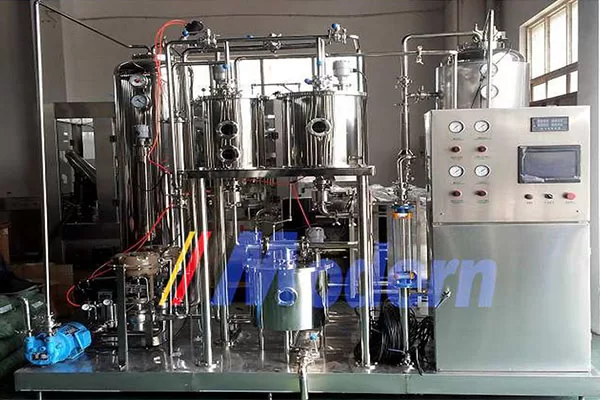
En el panorama de la fabricación en constante evolución, las máquinas llenadoras de líquidos no carbonatados desempeñan un papel crucial en diversas industrias, como la de bebidas, alimentación, farmacéutica y cosmética. Estas máquinas ofrecen eficiencia, precisión y versatilidad, elementos vitales para las empresas que buscan mejorar sus capacidades de producción. Este artículo se adentra en el complejo mundo de las fábricas de máquinas llenadoras de líquidos no carbonatados, ofreciendo información valiosa, consejos prácticos y una comprensión integral de los factores clave a considerar al elegir el equipo y el proveedor adecuados.
Entendiendo las máquinas llenadoras de líquidos no carbonatados
Las máquinas llenadoras de líquidos no carbonatados son equipos especializados diseñados para llenar envases con líquidos como zumos, salsas, aceites y otros productos sin gas. A diferencia de sus contrapartes carbonatadas, que requieren mecanismos adicionales para gestionar la presión, las máquinas llenadoras de productos no carbonatados se centran principalmente en suministrar un volumen preciso de producto con un desperdicio mínimo.
Estas máquinas pueden variar en diseño y funcionalidad, pero la mayoría comparte componentes comunes, que incluyen:
- Mecanismo de llenado: Esto puede ser gravimétrico, volumétrico o basado en medidores de flujo, dependiendo de la precisión y la aplicación requeridas.
- Sistema de transporte: Una parte integral de la configuración, que facilita el movimiento de los envases a través del proceso de llenado.
- Unidad de tapado: Garantiza que, después del llenado, los envases se sellen de forma segura para evitar derrames y contaminación.
- Estaciones de limpieza: Importantes para mantener la higiene, particularmente en industrias como la farmacéutica y la alimentaria.
La importancia de elegir la fábrica adecuada
Cuando se trata de invertir en una máquina llenadora de líquidos no carbonatados, asociarse con la fábrica adecuada es crucial. Un fabricante de renombre no solo proporcionará máquinas de calidad, sino que también ofrecerá soporte posventa, lo cual es esencial para mantener la eficiencia operativa. Considere los siguientes factores al evaluar las fábricas:
1. Experiencia en la industria
La experiencia importa. Busque fabricantes con una trayectoria significativa en la producción de máquinas llenadoras de líquidos. Una fábrica experimentada poseerá un conocimiento integral de los estándares y regulaciones de la industria, asegurando que el equipo cumpla con los requisitos de cumplimiento.
2. Capacidad de fabricación
Una fábrica moderna debe utilizar tecnologías avanzadas, como la automatización y la robótica, para agilizar los procesos de producción. Investigue sus capacidades de fabricación, incluidas las líneas de montaje, los procesos de control de calidad y las instalaciones de prueba, para asegurarse de que puedan satisfacer sus demandas de producción.
3. Opciones de personalización
Cada empresa tiene necesidades únicas. Una fábrica que ofrece opciones de personalización para sus máquinas puede proporcionar una ventaja competitiva significativa. Evalúe si pueden adaptar las especificaciones de la máquina, como el volumen de llenado, la velocidad y la configuración, para satisfacer sus requisitos específicos.
4. Soporte y servicio posventa
Un soporte posventa confiable es fundamental para minimizar el tiempo de inactividad. Elija una fábrica que brinde soporte al cliente integral, desde la instalación hasta la resolución de problemas y los servicios de mantenimiento. Esto garantiza que cualquier problema pueda resolverse rápidamente, manteniendo sus operaciones funcionando sin problemas.
5. Testimonios de clientes y estudios de caso
Investigar los testimonios de los clientes y los estudios de caso puede proporcionar información sobre la reputación y la confiabilidad de una fábrica. Los comentarios positivos de otras empresas de su industria pueden confirmar que el fabricante cumple sus promesas y produce máquinas de alta calidad.
Características clave a buscar en las máquinas llenadoras de líquidos no carbonatados
Al evaluar diferentes máquinas llenadoras de líquidos no carbonatados, considere las siguientes características para asegurarse de que está invirtiendo en un producto de alta calidad:
1. Exactitud y precisión
La precisión de llenado es primordial, particularmente en industrias donde las mediciones exactas son críticas. Las máquinas deben ser capaces de suministrar constantemente el volumen exacto de producto sin llenar de más o de menos. Busque máquinas equipadas con tecnología volumétrica avanzada para una precisión óptima.
2. Velocidad y eficiencia
La velocidad de producción afecta directamente su producción general y rentabilidad. Las máquinas llenadoras de líquidos no carbonatados deben ser capaces de realizar operaciones de alta velocidad sin comprometer la calidad. Evalúe la tasa de llenado por minuto de la máquina, así como su eficiencia durante los momentos de máxima producción.
3. Flexibilidad y versatilidad
Una máquina versátil puede manejar varios tipos de líquidos y formatos de envasado. Asegúrese de que el equipo elegido pueda adaptarse a diferentes tamaños, formas y materiales de envases. Esta flexibilidad puede mejorar significativamente su proceso de producción y permitirle responder a las cambiantes demandas del mercado.
4. Cumplimiento de la higiene
Para industrias como la alimentaria y la farmacéutica, la higiene no es negociable. Las máquinas llenadoras de productos no carbonatados deben estar diseñadas para facilitar la limpieza y el mantenimiento. Busque características que promuevan la higiene, como piezas extraíbles y construcción en acero inoxidable.
5. Eficiencia energética
Con el aumento de los costos de la energía, invertir en máquinas energéticamente eficientes puede ahorrar significativamente en costos operativos. Investigar tecnologías que minimicen el consumo de energía mientras mantienen el mismo nivel de rendimiento debería ser una prioridad.
El futuro de la tecnología de llenado de líquidos no carbonatados
El futuro de la tecnología de llenado de líquidos no carbonatados está preparado para presenciar avances notables. Con la creciente demanda de automatización y fabricación inteligente, es probable que surjan nuevas innovaciones, tales como:
1. Inteligencia artificial y aprendizaje automático
La integración de la IA y el aprendizaje automático puede revolucionar el proceso de llenado. Estas tecnologías podrían optimizar los parámetros de llenado en función de datos en tiempo real, lo que permitiría una mayor precisión, eficiencia y una reducción del desperdicio.
2. Máquinas habilitadas para IoT
El Internet de las cosas (IoT) permite que las máquinas estén interconectadas y se comuniquen con los sistemas para el monitoreo y diagnóstico en tiempo real. Las máquinas llenadoras de líquidos no carbonatados habilitadas para IoT pueden agilizar los procesos de producción al tiempo que ofrecen capacidades de mantenimiento predictivo.
3. Prácticas sostenibles
A medida que las preocupaciones ambientales continúan aumentando, las prácticas de fabricación sostenible ganarán importancia. Las fábricas que se centren en métodos de producción ecológicos, incluido el monitoreo de energía y las técnicas de reducción de residuos, probablemente liderarán el camino en los futuros diseños de máquinas.
Conclusión
Invertir en una máquina llenadora de líquidos no carbonatados es un paso importante para las empresas que buscan mejorar la productividad y la eficiencia operativa. Elegir la fábrica adecuada, comprender las características clave de las máquinas y mantenerse informado sobre el futuro de la tecnología de llenado son elementos cruciales que pueden afectar el éxito de su negocio. Al centrarse en la calidad, la fiabilidad y la innovación, los fabricantes pueden agilizar sus procesos y garantizar que satisfacen las demandas cada vez mayores del mercado.
A medida que las industrias continúan evolucionando, mantenerse a la vanguardia de los avances tecnológicos mediante la asociación con fábricas de máquinas llenadoras de líquidos no carbonatados de buena reputación no solo beneficiará la producción, sino que también contribuirá al crecimiento y la sostenibilidad a largo plazo.


