
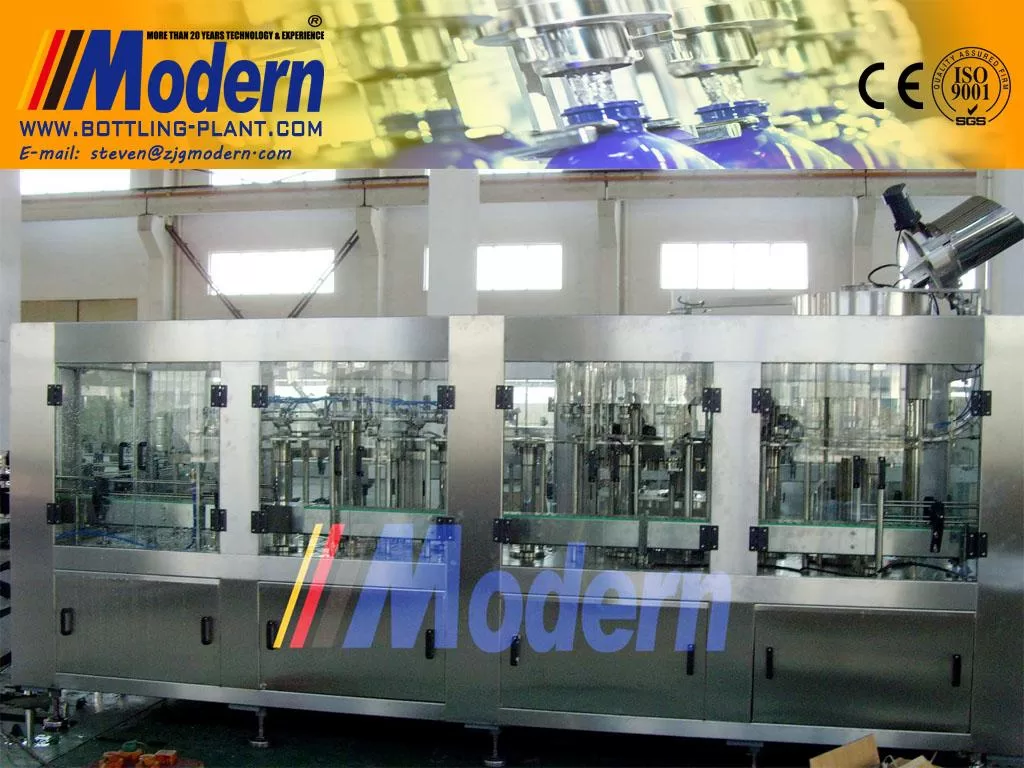
La industria del aceite comestible ha experimentado un crecimiento sustancial en los últimos años debido a la creciente demanda mundial de aceites de cocina. En este contexto, las máquinas llenadoras desempeñan un papel fundamental para garantizar que estos productos se envasen de manera eficiente, precisa y segura. Este artículo ofrece una visión general completa de las máquinas llenadoras diseñadas específicamente para aceites comestibles, explorando sus tipos, mecanismos de funcionamiento, ventajas y consideraciones para los compradores.
Entendiendo las máquinas llenadoras
Las máquinas llenadoras son equipos especializados que se utilizan para dispensar un volumen específico de productos líquidos en envases para su distribución y venta. En el sector del aceite comestible, estas máquinas son críticas para mantener la calidad, reducir los riesgos de contaminación y optimizar los procesos de producción. Van desde sistemas manuales adecuados para operaciones a pequeña escala hasta líneas totalmente automatizadas para la fabricación a gran escala.
La importancia de elegir la máquina llenadora adecuada
La selección de una máquina llenadora adecuada influye significativamente en la eficiencia general de la producción, la calidad del producto y los costes operativos. Una máquina llenadora bien elegida puede mejorar la productividad al reducir el tiempo de inactividad, garantizar la precisión y disminuir los costes laborales. Además, dado que los aceites comestibles pueden diferir en viscosidad y sensibilidad a la temperatura, elegir la máquina correcta es crucial para evitar el desperdicio y mantener la integridad del producto.
Tipos de máquinas llenadoras para aceite comestible
Existen varios tipos de máquinas llenadoras utilizadas en la industria del aceite comestible. Cada tipo tiene ventajas únicas y es adecuado para diferentes escalas de producción y formatos de envasado. Los tipos más comunes incluyen:
1. Máquinas de llenado por gravedad
Las máquinas llenadoras por gravedad dependen de la gravedad para controlar el flujo de líquido hacia los envases. Son ideales para líquidos de flujo libre como los aceites comestibles. Estas máquinas requieren un mantenimiento mínimo, son fáciles de operar y resultan rentables para la producción a pequeña y mediana escala.
2. Máquinas llenadoras por bomba
Las máquinas llenadoras por bomba utilizan una bomba para dispensar el aceite comestible. Este tipo de máquina llenadora es altamente versátil y puede manejar diversas viscosidades, lo que la hace adecuada para aceites espesos o productos con partículas. Aunque pueden requerir más mantenimiento en comparación con las llenadoras por gravedad, las máquinas llenadoras por bomba ofrecen un control preciso sobre el proceso de llenado.
3. Máquinas llenadoras por medidor de flujo
Las máquinas llenadoras por medidor de flujo utilizan medidores de flujo para medir la cantidad de líquido dispensado en los envases. Su precisión minimiza el desperdicio de producto y garantiza el cumplimiento de las normativas relativas a los volúmenes de llenado. Estas máquinas son particularmente beneficiosas para grandes tiradas de producción y ofrecen velocidades de llenado rápidas.
4. Máquinas de llenado por sinfín (Auger)
Para aceites envasados que contienen especias u otros gránulos, las máquinas llenadoras de tornillo sin fin (auger) son efectivas. Utilizan un tornillo giratorio para dispensar cantidades precisas de aceite junto con cualquier ingrediente sólido. Estas máquinas se utilizan cada vez más en los mercados de aceites especializados.
5. Máquinas llenadoras automáticas frente a semiautomáticas
Las máquinas llenadoras automáticas están diseñadas para funcionar continuamente con una mínima intervención humana, lo que las hace ideales para operaciones de alto volumen. Las máquinas semiautomáticas requieren que los operadores carguen los envases y pueden exponerlos a un mayor riesgo de errores. La elección entre ambas depende de su escala de producción, presupuesto y objetivos operativos.
Factores a considerar al comprar una máquina llenadora
Al invertir en una máquina llenadora para aceites comestibles, varios factores merecen una consideración seria. Comprender estos aspectos ayudará a tomar una decisión informada que se alinee con sus necesidades operativas.
1. Capacidad de producción
Evalúe sus necesidades de producción actuales y previstas. Determine cuánto aceite planea llenar en un período de tiempo determinado y elija una máquina que pueda cumplir o superar estas expectativas para evitar cuellos de botella en el futuro.
2. Tipos de envases
Considere los tipos de envases que utilizará: botellas de vidrio, envases de plástico o envases a granel. La máquina llenadora debe ser compatible con los formatos de envase elegidos para garantizar una funcionalidad óptima.
3. Viscosidad de los aceites comestibles
Los diferentes aceites comestibles tienen viscosidades variables, lo que afecta cómo fluyen y se llenan. Si planea trabajar con aceites de diferentes consistencias, optar por una máquina llenadora versátil sería lo ideal.
4. Nivel de automatización
Dependiendo de su presupuesto, disponibilidad de mano de obra y escala de operaciones, determine si invertir en una máquina llenadora automática, semiautomática o manual. La automatización generalmente aumenta la eficiencia, pero puede implicar un coste inicial más alto.
5. Cumplimiento normativo
Las normativas que rigen el envasado de alimentos pueden variar según la región. Garantizar que la máquina llenadora cumpla con la FDA local o estándares equivalentes es fundamental para evitar interrupciones en la producción o responsabilidades legales.
Beneficios de utilizar una máquina llenadora para aceite comestible
Emplear una máquina llenadora para sus operaciones de aceite comestible conlleva numerosas ventajas que pueden impactar positivamente en su negocio, incluyendo:
1. Precisión mejorada
Las máquinas llenadoras están diseñadas para entregar volúmenes precisos, reduciendo la probabilidad de sobrellenado o llenado insuficiente de los envases. Esta precisión ayuda a mantener la consistencia del producto y a cumplir con las expectativas del cliente.
2. Mayor eficiencia
Las máquinas llenadoras automatizadas pueden agilizar significativamente las operaciones, permitiendo velocidades de llenado más rápidas y reduciendo el tiempo necesario para envasar los productos. Esta eficiencia se traduce en una mayor producción y menores costes laborales, factores clave en mercados competitivos.
3. Higiene y seguridad mejoradas
Las máquinas llenadoras modernas vienen equipadas con características que promueven operaciones higiénicas, minimizando el riesgo de contaminación. Esto es especialmente esencial para los aceites comestibles, donde la seguridad y la calidad del producto deben permanecer sin compromisos.
4. Flexibilidad para variantes de producto
Muchas máquinas llenadoras ofrecen configuraciones ajustables que se adaptan a diferentes tamaños de envases y tipos de aceite, brindando a los fabricantes la flexibilidad de diversificar su gama de productos sin necesidad de múltiples máquinas.
Mejores prácticas para operar máquinas llenadoras
Garantizar un rendimiento óptimo de su máquina llenadora requiere el cumplimiento de ciertas mejores prácticas:
1. Mantenimiento regular
Implemente un programa de mantenimiento rutinario para inspeccionar y reparar la máquina. El mantenimiento regular no solo prolonga la vida útil del equipo, sino que también garantiza la fiabilidad y un rendimiento constante.
2. Capacitación del personal
Invierta en una formación integral para su personal sobre el funcionamiento y la resolución de problemas de la máquina llenadora. Una fuerza laboral bien capacitada puede reducir significativamente los errores y mejorar la productividad.
3. Supervise los resultados de producción
Supervise constantemente los resultados de llenado para identificar cualquier discrepancia que pueda surgir. Abordar estos problemas con prontitud garantiza el control de calidad y el cumplimiento de las normas reglamentarias.
El futuro de las máquinas llenadoras en la industria del aceite comestible
El sector del aceite comestible sigue evolucionando, impulsado por los avances tecnológicos y los cambios en las preferencias de los consumidores. Las tendencias emergentes, como los envases sostenibles, los aceites de origen vegetal y los productos con etiquetas limpias, influyen en el diseño y la funcionalidad de las máquinas llenadoras. A medida que los fabricantes se adaptan a estos cambios, se espera que la integración de tecnología inteligente, capacidades de IoT y automatización avanzada en las máquinas llenadoras sea cada vez más frecuente.
En conclusión, elegir la máquina llenadora adecuada para el envasado de aceite comestible es crucial para el éxito de las operaciones de fabricación. Al comprender las opciones disponibles, tener en cuenta las consideraciones esenciales y seguir las mejores prácticas, las empresas pueden mejorar significativamente la eficiencia, la calidad y la rentabilidad. La inversión en una máquina llenadora adecuada no es simplemente un gasto, sino un movimiento estratégico hacia un crecimiento sostenible en un mercado competitivo.


