En el acelerado mundo de la fabricación, la eficiencia y la precisión son fundamentales. Entre la miríada de equipos que facilitan estos objetivos, las máquinas llenadoras y tapadoras desempeñan un papel crucial, particularmente en las industrias alimentaria, de bebidas, farmacéutica y cosmética. Este artículo profundiza en las complejidades de las máquinas llenadoras y tapadoras, explorando sus tipos, funcionalidades, beneficios y las consideraciones para seleccionar el equipo adecuado para su línea de producción.
Entendiendo las máquinas llenadoras y tapadoras
Las máquinas llenadoras y tapadoras son sistemas automatizados diseñados para llenar envases con un producto específico y luego sellarlos de forma segura. Estas máquinas son esenciales para mantener la integridad del producto, garantizar la consistencia y mejorar la eficiencia general de la producción. Pueden manejar una variedad de tipos de envases, incluyendo botellas, frascos y bolsas, lo que las hace versátiles para diferentes industrias.
La importancia de las máquinas llenadoras y tapadoras
En el mercado competitivo actual, las empresas deben optimizar sus procesos de producción para satisfacer la demanda de los consumidores y, al mismo tiempo, minimizar los costos. Las máquinas llenadoras y tapadoras contribuyen significativamente a este objetivo mediante:
- Mejora de la eficiencia: Los procesos automatizados de llenado y tapado reducen la mano de obra y aceleran las tasas de producción.
- Garantía de consistencia: Estas máquinas proporcionan volúmenes de llenado uniformes y un tapado consistente, lo cual es crítico para la calidad del producto.
- Mejora de la seguridad: La automatización minimiza el contacto humano con materiales potencialmente peligrosos, garantizando un entorno de trabajo más seguro.
- Reducción de residuos: El llenado preciso reduce el derrame y el desperdicio de producto, contribuyendo a reducir los costos de producción.
Tipos de máquinas llenadoras
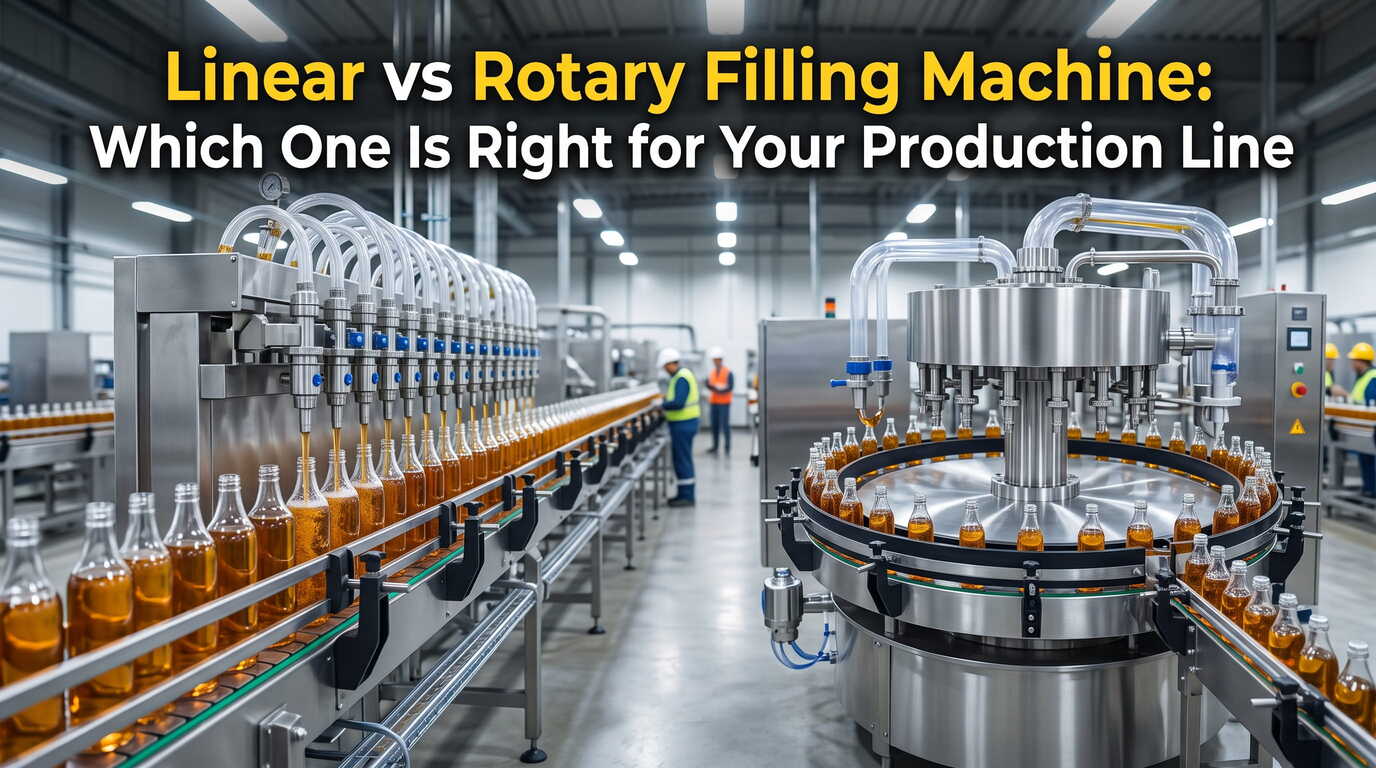
Las máquinas llenadoras se pueden clasificar según el tipo de producto y el método de llenado. Comprender estas categorías puede ayudar a las empresas a seleccionar la máquina adecuada para sus necesidades.
1. Máquinas llenadoras de líquidos
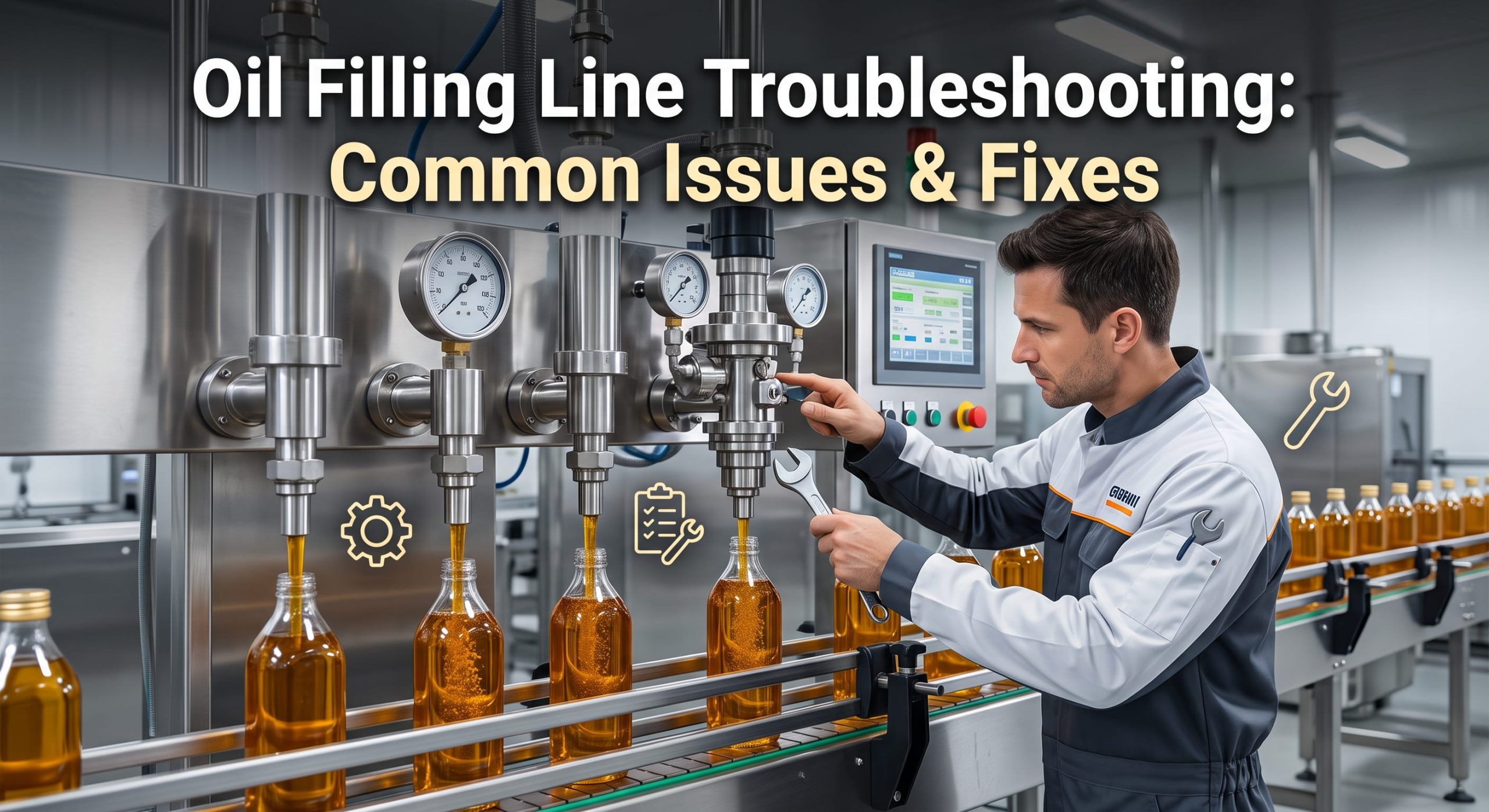
Las máquinas llenadoras de líquidos están diseñadas para manejar varios tipos de líquidos, incluyendo agua, aceites, salsas y productos farmacéuticos. Se pueden dividir aún más en:
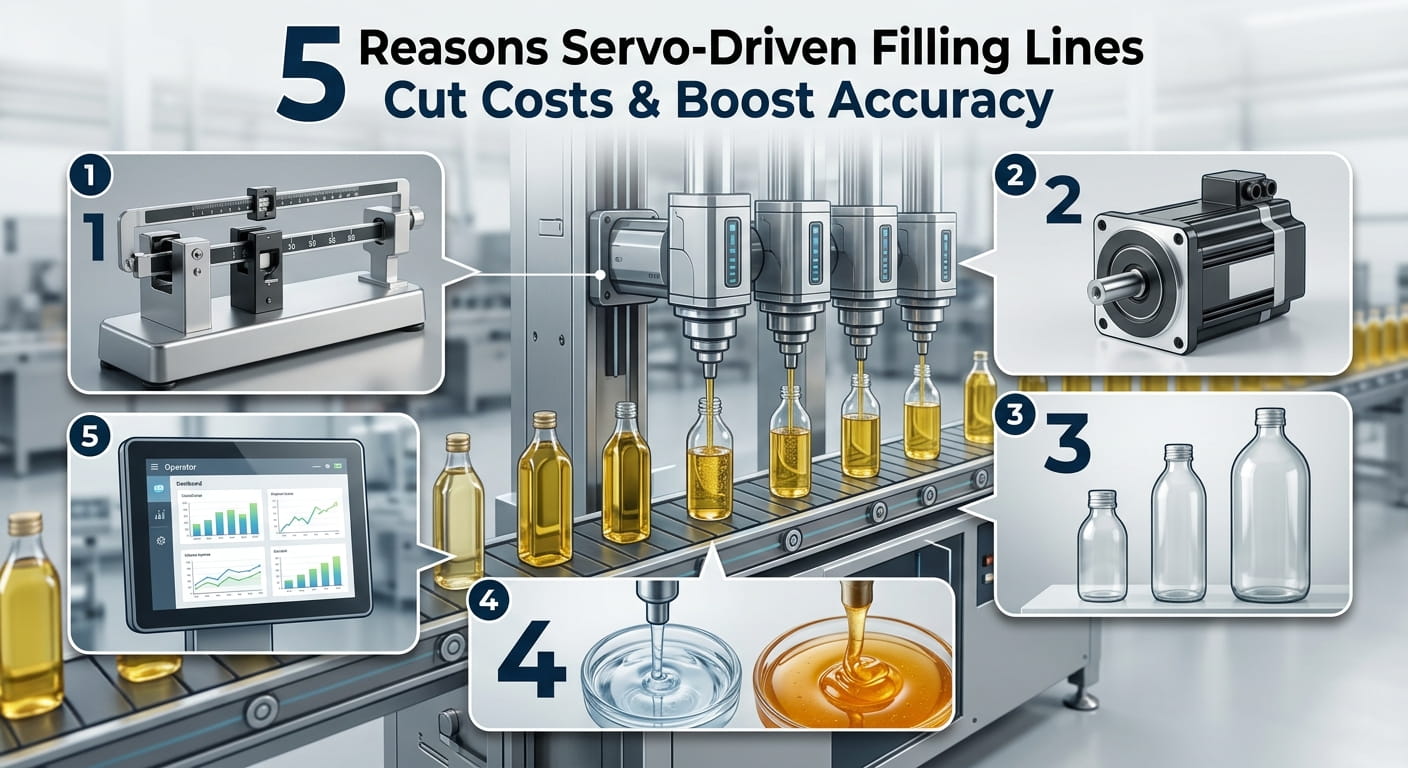
- Llenadoras volumétricas: Estas máquinas miden el volumen de líquido que se va a llenar en cada envase, garantizando la precisión.
- Llenadoras por gravedad: Utilizando la gravedad, estas máquinas llenan los envases basándose en el peso del líquido.
- Llenadoras por bomba: Ideales para líquidos más espesos, las llenadoras de bomba utilizan un mecanismo de bomba para transferir el producto a los envases.
2. Máquinas llenadoras de polvo
Las máquinas llenadoras de polvo están especializadas para productos secos, como especias, harina y productos farmacéuticos. Pueden incluir:
- Llenadoras de sinfín (Auger): Estas máquinas utilizan un sinfín giratorio para dispensar una cantidad precisa de polvo en los envases.
- Llenadoras volumétricas: Similares a las llenadoras volumétricas de líquidos, estas máquinas miden los polvos basándose en el volumen.
3. Máquinas llenadoras de gránulos
Las máquinas llenadoras de gránulos están diseñadas para productos como azúcar, sal y semillas. Por lo general, utilizan:
- Sistemas de alimentación por gravedad: Estos sistemas permiten que los gránulos fluyan hacia los envases por gravedad.
- Alimentadores vibratorios: Estas máquinas utilizan vibraciones para mover los gránulos hacia el área de llenado.
Tipos de máquinas tapadoras
Las máquinas tapadoras aseguran las tapas en los envases llenos, garantizando la seguridad y frescura del producto. Se clasifican en varios tipos:
1. Máquinas tapadoras de rosca
Las máquinas tapadoras de rosca están diseñadas para aplicar tapas de rosca en botellas y frascos. Pueden ser:
- Manuales: Estas máquinas requieren que los operadores coloquen las tapas manualmente.
- Automáticas: Máquinas totalmente automatizadas que colocan y aprietan las tapas sin intervención humana.
2. Máquinas tapadoras a presión (Snap Capping)
Estas máquinas se utilizan para tapas a presión, que requieren un simple empuje para asegurar la tapa. Se utilizan comúnmente en la industria de bebidas.
3. Máquinas tapadoras ROPP
Las máquinas tapadoras Roll-On Pilfer Proof (ROPP) se utilizan principalmente en la industria de vinos y licores. Aplican una tapa metálica que se enrolla en el cuello de la botella, proporcionando una evidencia de manipulación.
Consideraciones clave al elegir máquinas de llenado y tapado
Al seleccionar máquinas de llenado y tapado, las empresas deben considerar varios factores para asegurarse de elegir la correcta