
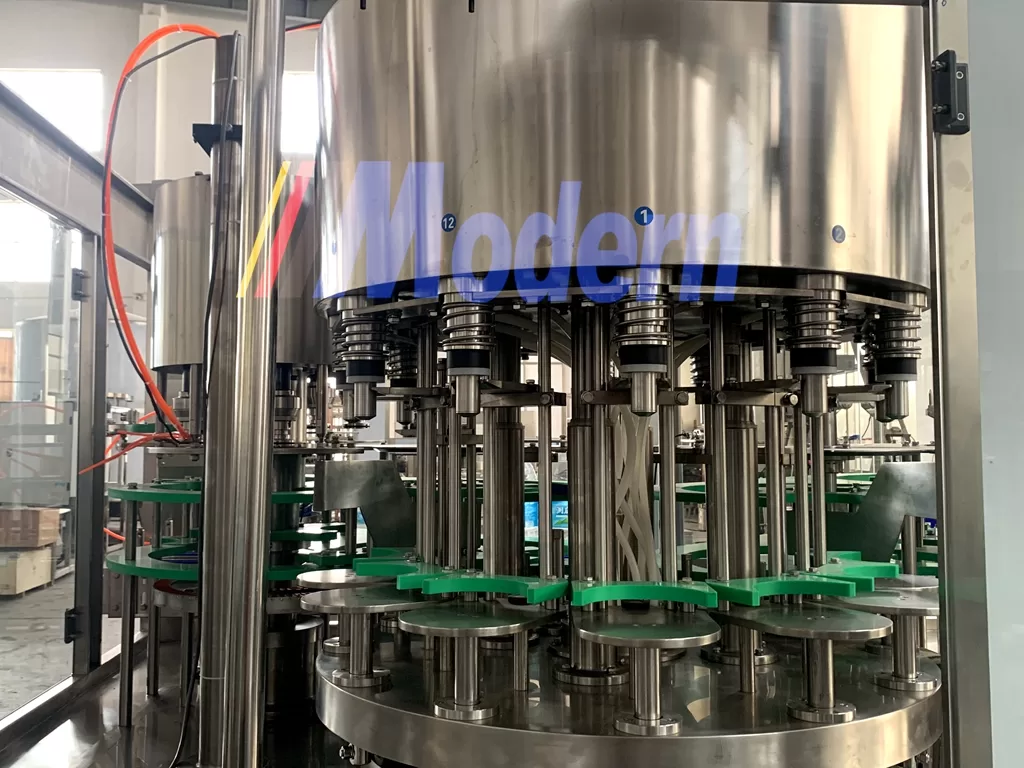
En el mundo moderno, la demanda de agua embotellada sigue aumentando, impulsada por las preferencias de los consumidores por la comodidad, la salud y la hidratación. Como resultado, la industria del agua embotellada ha experimentado un crecimiento significativo, lo que ha llevado a los fabricantes a invertir en procesos de producción eficientes. Uno de los componentes clave de esta línea de producción es la máquina llenadora de agua embotellada. Este artículo tiene como objetivo proporcionar una comprensión profunda de las máquinas llenadoras de agua, explorando sus tipos, funcionalidad, beneficios y consideraciones para las empresas que buscan invertir en esta tecnología.
Comprender las máquinas llenadoras de agua embotellada
Las máquinas llenadoras de agua embotellada son equipos especializados diseñados para llenar botellas con agua de manera eficiente y precisa. Estas máquinas son cruciales para garantizar que el proceso de embotellado mantenga altos estándares de higiene, velocidad y precisión. Dependiendo de los requisitos de producción, estas máquinas pueden manejar varios tamaños y tipos de botellas, incluyendo PET, vidrio y aluminio.
Tipos de máquinas llenadoras de agua embotellada
Existen varios tipos de máquinas llenadoras de agua embotellada disponibles en el mercado, cada una adaptada a diferentes necesidades y capacidades de producción. Los tipos principales incluyen:
- Llenadoras por gravedad: Estas máquinas utilizan la gravedad para llenar las botellas. Son adecuadas para líquidos de baja viscosidad y a menudo se utilizan para agua sin gas. Las llenadoras por gravedad tienen un diseño simple y son fáciles de operar, lo que las convierte en una opción popular para operaciones de pequeña a mediana escala.
- Llenadoras por bomba: Las llenadoras por bomba utilizan una bomba para transferir el agua a las botellas. Este tipo es ideal para líquidos más espesos y ofrece un mayor control sobre la velocidad y el volumen de llenado. Las llenadoras por bomba se emplean a menudo en operaciones a mayor escala donde la consistencia y la precisión son primordiales.
- Llenadoras a presión: Estas máquinas llenan las botellas bajo presión, lo que ayuda a minimizar la formación de espuma y garantiza un nivel de llenado constante. Las llenadoras a presión se utilizan comúnmente para bebidas carbonatadas, pero también pueden adaptarse para agua sin gas en líneas de producción de alta velocidad.
- Llenadoras al vacío: Las llenadoras al vacío eliminan el aire de la botella antes de llenarla con agua. Este método es particularmente útil para preservar la calidad del agua y extender su vida útil. El llenado al vacío es menos común para el agua embotellada, pero puede ser beneficioso para aplicaciones específicas.
Características clave de las máquinas llenadoras de agua embotellada
Al considerar una máquina llenadora de agua embotellada, es esencial evaluar sus características y capacidades. Aquí hay algunas características críticas a tener en cuenta:
- Velocidad y eficiencia: La velocidad de llenado es un factor crucial, especialmente para las líneas de producción de alto volumen. Busque máquinas que puedan llenar una cantidad significativa de botellas por hora manteniendo la precisión.
- Automatización: Las máquinas automatizadas reducen los costos laborales y aumentan la eficiencia de la producción. Características como la alimentación automática de botellas, el tapado y el etiquetado pueden agilizar todo el proceso de embotellado.
- Estándares de higiene: La higiene es primordial en la industria del agua embotellada. Las máquinas deben estar diseñadas para una fácil limpieza y desinfección, con materiales que cumplan con las normas de seguridad alimentaria.
- Flexibilidad: La capacidad de manejar diferentes tamaños y formas de botellas es vital para las empresas que ofrecen una gama de productos. Busque máquinas que puedan ajustarse o configurarse fácilmente para varios tipos de botellas.
- Sistemas de control: Los sistemas de control avanzados permiten a los operadores monitorear y ajustar los parámetros de llenado en tiempo real, asegurando un rendimiento óptimo y reduciendo el desperdicio.
Beneficios de invertir en una máquina llenadora de agua embotellada
Invertir en una máquina llenadora de agua embotellada puede ofrecer numerosas ventajas para las empresas de la industria del agua embotellada:
- Mayor capacidad de producción: Una máquina llenadora de alta calidad puede aumentar significativamente la capacidad de producción, permitiendo a las empresas satisfacer la creciente demanda de los consumidores y ampliar su alcance en el mercado.
- Consistencia y calidad: Las máquinas llenadoras automatizadas proporcionan niveles de llenado consistentes y reducen el riesgo de error humano, asegurando que cada botella cumpla con los estándares de calidad.
- Eficiencia de costes: Aunque la inversión inicial puede ser sustancial, los ahorros a largo plazo derivados de la reducción de los costos laborales y el aumento de la eficiencia pueden hacer que las máquinas llenadoras sean una solución rentable.
- Imagen de marca mejorada: El uso de máquinas llenadoras modernas y eficientes puede mejorar la imagen de una marca, demostrando un compromiso con la calidad y la innovación.
Consideraciones para elegir una máquina llenadora de agua embotellada
Al seleccionar una máquina llenadora de agua embotellada, se deben tener en cuenta varios factores:
Volumen de producción
Evalúe sus necesidades de producción cuidadosamente. Las máquinas varían en velocidad y capacidad, por lo que es crucial elegir una que se alinee con su producción esperada. Considere el crecimiento futuro y


