En el dinámico mundo de la producción de bebidas, la eficiencia y la precisión son fundamentales. Las máquinas llenadoras de bebidas desempeñan un papel crucial para garantizar que las bebidas se envasen correctamente, manteniendo la calidad y la seguridad mientras se maximiza la producción. Este artículo profundiza en los diversos aspectos de las máquinas llenadoras de bebidas, explorando sus tipos, funcionalidades, beneficios y consideraciones para las empresas que buscan invertir en estos equipos esenciales.
Entendiendo las máquinas llenadoras de bebidas
Las máquinas llenadoras de bebidas son equipos especializados diseñados para llenar recipientes como botellas, latas y bolsas con líquidos. Estas máquinas son parte integral del proceso de fabricación de bebidas, asegurando que los productos se llenen con el volumen correcto y se sellen adecuadamente para evitar la contaminación. La tecnología detrás de estas máquinas ha evolucionado significativamente, ofreciendo diversas opciones adaptadas a diferentes tipos de bebidas, incluyendo bebidas carbonatadas, jugos, productos lácteos y bebidas alcohólicas.
Tipos de máquinas llenadoras de bebidas
Existen varios tipos de máquinas llenadoras de bebidas, cada una diseñada para aplicaciones y necesidades de producción específicas. Comprender estos tipos puede ayudar a los fabricantes a elegir el equipo adecuado para sus operaciones.
1. Máquinas de llenado por gravedad
Las máquinas llenadoras por gravedad utilizan la fuerza de la gravedad para llenar los recipientes. Este tipo es el más adecuado para líquidos poco viscosos, como agua y jugos. Las llenadoras por gravedad suelen tener un diseño sencillo y son fáciles de operar, lo que las convierte en una opción popular para líneas de producción más pequeñas.
2. Máquinas de llenado a presión
Las máquinas llenadoras a presión son ideales para bebidas carbonatadas. Funcionan utilizando presión para empujar el líquido hacia el recipiente, asegurando que se mantenga la carbonatación. Este método es esencial para mantener la calidad de las bebidas gaseosas y se utiliza comúnmente en instalaciones de producción a gran escala.
3. Máquinas de llenado al vacío
Las máquinas llenadoras al vacío crean un vacío en el recipiente antes de llenarlo con líquido. Este método es particularmente beneficioso para líquidos viscosos, como salsas y jarabes, ya que minimiza la exposición al aire y evita la formación de espuma. Las llenadoras al vacío se utilizan a menudo en la industria de alimentos y bebidas para garantizar la integridad del producto.
4. Máquinas llenadoras de pistón
Las máquinas llenadoras de pistón utilizan un mecanismo de pistón para succionar el líquido hacia una cámara y luego dispensarlo en el recipiente. Este tipo de máquina llenadora es versátil y puede manejar una amplia gama de viscosidades de líquidos, lo que la hace adecuada tanto para bebidas poco viscosas como espesas.
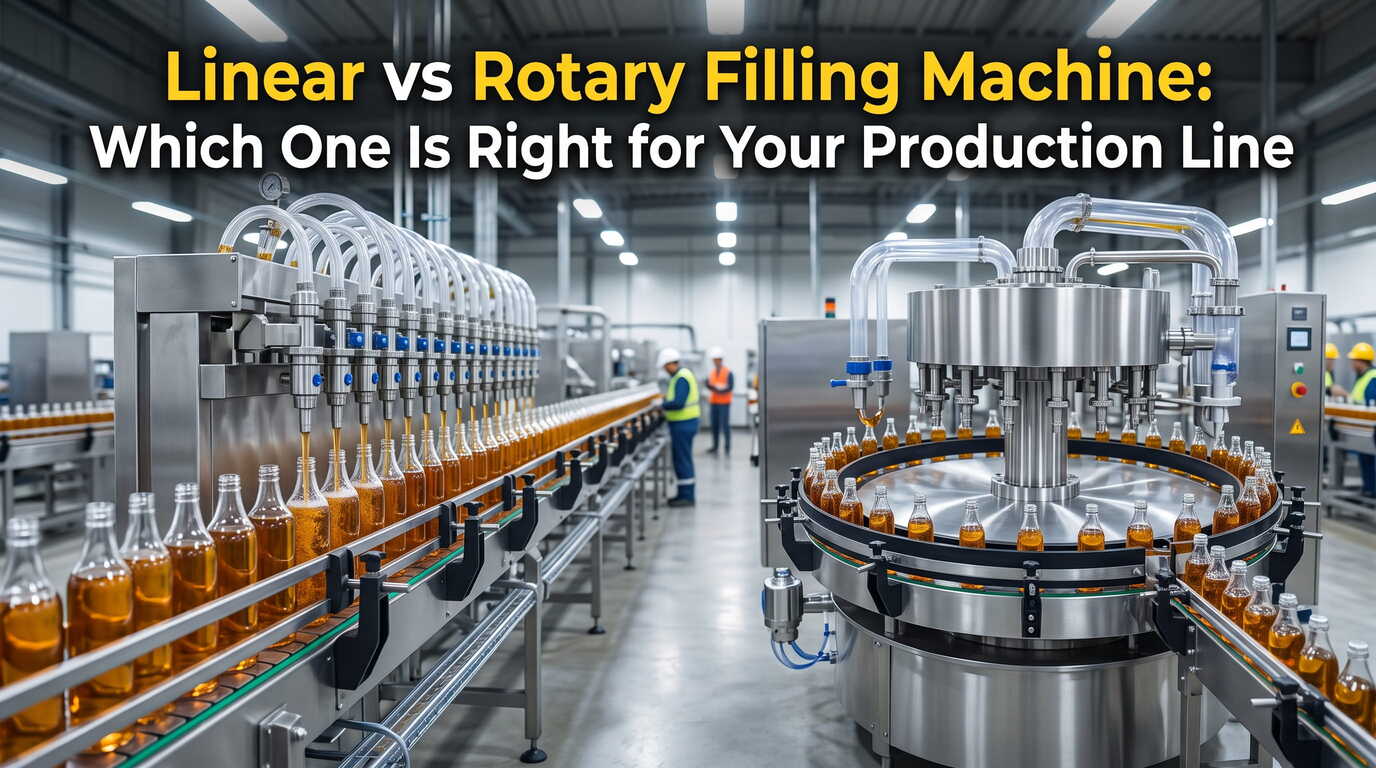
5. Máquinas llenadoras rotativas
Las máquinas llenadoras rotativas están diseñadas para líneas de producción de alta velocidad. Cuentan con múltiples cabezales de llenado que funcionan simultáneamente, lo que permite un proceso de llenado rápido. Estas máquinas se utilizan a menudo en instalaciones de producción de bebidas a gran escala donde la eficiencia es crítica.
Características clave de las máquinas llenadoras de bebidas
Al seleccionar una máquina llenadora de bebidas, se deben considerar varias características clave para garantizar un rendimiento y una eficiencia óptimos.
1. Exactitud y precisión
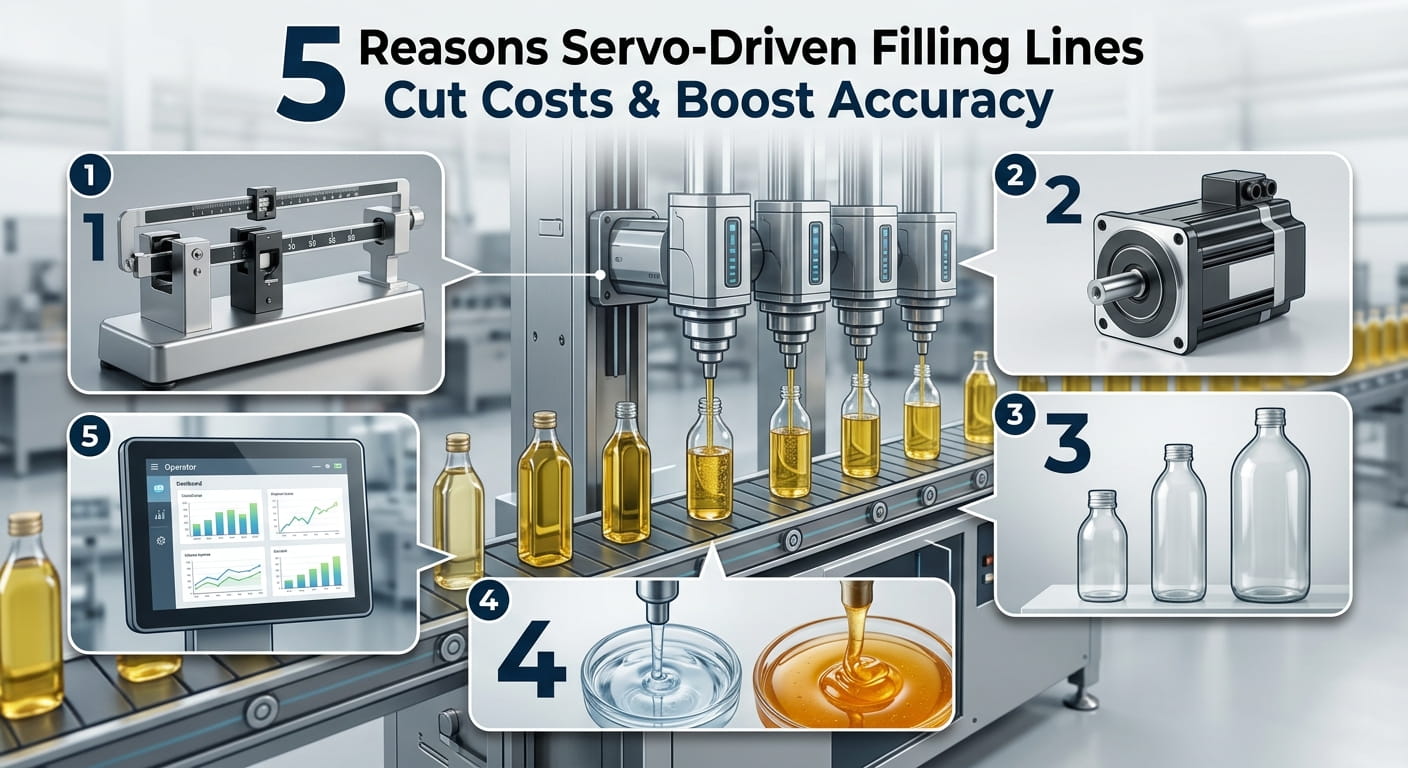
El llenado preciso es esencial para cumplir con los estándares regulatorios y las expectativas del consumidor. Las máquinas llenadoras de alta calidad están equipadas con sensores avanzados y sistemas de control que garantizan mediciones de volumen precisas, reduciendo el riesgo de sobrellenado o llenado insuficiente de los recipientes.
2. Velocidad y eficiencia
La velocidad de una máquina llenadora es un factor crítico para determinar la capacidad de producción. Las máquinas diseñadas para operaciones de alta velocidad pueden aumentar significativamente la producción, permitiendo a los fabricantes satisfacer la demanda del mercado sin comprometer la calidad.
3. Flexibilidad
A medida que evolucionan los mercados de bebidas, los fabricantes a menudo necesitan adaptarse a nuevos productos y formatos de envasado. Las máquinas llenadoras flexibles pueden adaptarse a varios tamaños y formas de recipientes, lo que facilita el cambio entre diferentes productos sin tiempos de inactividad prolongados.
4. Higiene y saneamiento
En la industria de las bebidas, mantener la higiene es crucial. Las máquinas llenadoras deben estar diseñadas para una fácil limpieza y desinfección, con materiales que resistan la contaminación. Busque máquinas que cumplan con los estándares y regulaciones de la industria en materia de seguridad alimentaria.
5. Integración con otros equipos
Las máquinas llenadoras suelen formar parte de una línea de producción más grande que incluye equipos de embotellado, etiquetado y envasado. Asegurarse de que la máquina llenadora pueda integrarse perfectamente con los sistemas existentes es esencial para maximizar la eficiencia y minimizar las interrupciones operativas.
Beneficios de invertir en máquinas llenadoras de calidad
Invertir en máquinas llenadoras de bebidas de alta calidad ofrece numerosos beneficios que pueden impactar positivamente en los resultados financieros de una empresa.
1. Calidad del producto mejorada
Las máquinas llenadoras de calidad garantizan que las bebidas se llenen con precisión y se sellen correctamente, preservando el sabor y la frescura. Esta atención al detalle ayuda a mantener la calidad del producto, lo que en última instancia conduce a una mayor satisfacción del cliente y lealtad a la marca.
2. Mayor capacidad de producción
Al utilizar tecnología de llenado avanzada, los fabricantes pueden aumentar significativamente su capacidad de producción. Las máquinas llenadoras de alta velocidad pueden manejar mayores volúmenes de producto en menos tiempo