
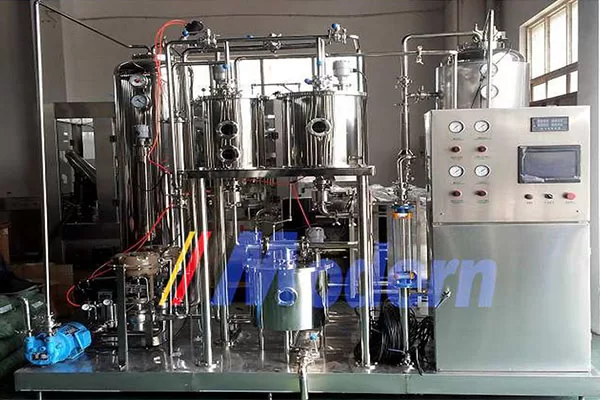
En el panorama en constante evolución de la industria de bebidas, la eficiencia de los procesos de producción es fundamental, especialmente para los fabricantes de cerveza. Las máquinas llenadoras de cerveza se han convertido en componentes vitales, no solo para acelerar la producción, sino también para garantizar que la calidad de la bebida no se vea comprometida. Este artículo profundiza en las diversas dimensiones de las máquinas llenadoras de cerveza, proporcionando consejos prácticos para las empresas que consideran su implementación o actualización.
Comprensión de las máquinas llenadoras de cerveza
Las máquinas llenadoras de cerveza son equipos especializados diseñados para embotellar, enlatar o embarrilar cerveza con precisión y eficiencia. Estas máquinas vienen en varios tipos, desde sistemas manuales hasta líneas totalmente automatizadas, adaptándose a diferentes capacidades de producción y necesidades operativas. Cumplen la función esencial de transferir la cerveza desde las soluciones de almacenamiento, como los tanques de fermentación, a envases listos para la venta.
La elección de una máquina llenadora de cerveza puede afectar significativamente su eficiencia de producción, rentabilidad y calidad del producto. Por lo tanto, comprender la tecnología subyacente y los tipos disponibles es crucial para cualquier cervecero que busque expandir o agilizar sus operaciones.
Tipos de máquinas llenadoras de cerveza
Las máquinas llenadoras de cerveza se pueden clasificar en términos generales en varios tipos según su modo de operación y los tipos de envases que llenan:
- Máquinas llenadoras manuales: Ideales para pequeñas cervecerías o cerveceros caseros, estas máquinas requieren manipulación manual para llenar botellas o latas. Aunque carecen de velocidad, son económicas y permiten un mayor control.
- Máquinas semiautomáticas: Estas máquinas requieren cierta intervención manual, pero ofrecen procesos de llenado automatizados. Equilibran la eficiencia y el costo, siendo adecuadas para cervecerías de tamaño mediano.
- Máquinas llenadoras totalmente automáticas: Diseñadas para operaciones a gran escala, estas máquinas integran el proceso de llenado dentro de una línea de producción automatizada, asegurando un llenado rápido y constante mientras se minimiza la intervención humana.
- Máquinas llenadoras a contrapresión: Estas máquinas están diseñadas específicamente para llenar bebidas carbonatadas sin perder la carbonatación. Son la opción preferida para el llenado de cerveza, ya que mantienen la calidad del producto.
Características clave a considerar
Al invertir en una máquina llenadora de cerveza, varias características deben guiar su proceso de toma de decisiones:
1. Capacidad y velocidad
La escala de producción es uno de los factores principales a considerar. Evalúe su producción actual y proyectada para elegir la máquina que satisfaga sus necesidades. Las máquinas automatizadas suelen ofrecer velocidades de llenado más altas, lo que puede mejorar significativamente la eficiencia general en un entorno de alta demanda.
2. Precisión y consistencia
El rendimiento en términos de precisión se traduce en menos desperdicio de recursos e inconsistencias en los lotes. Las máquinas equipadas con sensores y controles avanzados pueden llenar los envases con precisión y controlar la espuma producida durante el proceso de llenado.
3. Facilidad de limpieza y mantenimiento
Dado que la higiene es fundamental en la producción de bebidas, opte por máquinas que permitan un fácil desmontaje y limpieza. Una máquina llenadora limpia garantiza la seguridad del producto y prolonga la vida útil del equipo.
4. Calidad del material
Los materiales utilizados en la construcción de la máquina llenadora también son cruciales. El acero inoxidable suele ser el preferido por su durabilidad y resistencia a la corrosión. Los componentes que entran en contacto con la bebida deben ser de grado alimenticio para evitar la contaminación.
5. Flexibilidad
En un mercado dinámico, poder cambiar entre diferentes tipos de envases (como botellas y latas) puede proporcionar una ventaja competitiva. Busque máquinas que ofrezcan versatilidad sin tiempos de inactividad significativos.
Elección entre máquinas llenadoras manuales y automáticas
La decisión entre máquinas llenadoras manuales y automáticas a menudo depende de las necesidades específicas de su cervecería, la escala de producción y las consideraciones financieras.
Presupuesto y rentabilidad
Las máquinas manuales presentan costos iniciales más bajos, lo que las hace adecuadas para empresas emergentes u operaciones más pequeñas. Sin embargo, pueden aumentar los costos laborales debido a la necesidad de manipulación manual. Por el contrario, aunque las máquinas automáticas requieren una inversión inicial más significativa, a menudo se amortizan a largo plazo mediante una mayor velocidad de producción y ahorro de mano de obra.
Requisitos de mano de obra
Considere la disponibilidad y el costo de la mano de obra en su región. Una máquina automática puede requerir menos trabajadores, lo que le permite asignar personal a otras áreas esenciales de la producción. Sin embargo, los procesos más manuales podrían ofrecer flexibilidad de capacitación y costos laborales manejables inicialmente.
Escala de producción
A medida que su cervecería crece, las demandas de producción pueden superar lo que una máquina manual puede proporcionar. Si prevé un crecimiento rápido, invertir en una máquina llenadora automática puede ser más sensato, evitando la necesidad de reemplazos costosos a corto plazo.
Mejores prácticas operativas para máquinas llenadoras de cerveza
Después de seleccionar e instalar una máquina llenadora de cerveza, considere implementar las siguientes mejores prácticas para maximizar su eficacia:
Capacitación del personal
Proporcione una capacitación integral a su personal para operar la máquina llenadora correctamente. El personal bien capacitado puede solucionar problemas menores, realizar el mantenimiento de rutina y mejorar significativamente la eficiencia de la operación.
Mantenimiento regular
Adopte un programa de mantenimiento de rutina para mantener la máquina en condiciones óptimas. Esto incluye inspecciones periódicas, limpieza y reparaciones oportunas para evitar interrupciones operativas.
Control de calidad
Implemente un proceso sistemático de control de calidad para monitorear la precisión del llenado y la integridad del producto. Las pruebas periódicas de los productos llenos pueden ayudar a detectar signos tempranos de contaminación o problemas que podrían afectar la reputación de la marca.
Tendencias futuras en la tecnología de llenado de cerveza
A medida que los avances tecnológicos continúan dando forma a la industria de bebidas, mantenerse al tanto de las tendencias puede proporcionar ventajas estratégicas. Considere los siguientes desarrollos futuros en la tecnología de llenado de cerveza:
Integración de tecnología inteligente
La inteligencia artificial y el IoT (Internet de las cosas) están desempeñando gradualmente un papel en la fabricación de bebidas. Las máquinas llenadoras equipadas con sensores inteligentes pueden mejorar la precisión, predecir las necesidades de mantenimiento y proporcionar análisis de datos en tiempo real para una mejor eficiencia operativa.
Esfuerzos de sostenibilidad
La necesidad de prácticas sostenibles en la fabricación está a la vanguardia hoy en día. Se espera que las futuras máquinas llenadoras de cerveza prioricen la eficiencia energética, la reducción del uso de agua en los procesos de limpieza y materiales que sean respetuosos con el medio ambiente.
Tecnologías de llenado híbridas
A medida que surgen diversas preferencias de los consumidores, es probable que aumente el uso de tecnologías de llenado híbridas que puedan adaptarse a diferentes tipos de productos y soluciones de envasado sin problemas, atendiendo a una gama más amplia de ofertas de cerveza artesanal.
Conclusión
No se puede subestimar la importancia de seleccionar la máquina llenadora de cerveza adecuada. Esta inversión no solo afecta la eficiencia operativa, sino que también desempeña un papel crucial en el control de calidad y la percepción de la marca. Al comprender los diferentes tipos de máquinas disponibles, reconocer las características clave, tomar decisiones informadas entre sistemas manuales y automáticos e implementar las mejores prácticas, las cervecerías pueden crear una base operativa sólida que satisfaga las demandas actuales y se adapte a las tendencias futuras.
En un mercado competitivo, la innovación y la eficiencia son esenciales. Invertir en la tecnología de llenado de cerveza adecuada representa un paso hacia la garantía del crecimiento y la sostenibilidad de su cervecería, permitiéndole concentrarse en lo que mejor sabe hacer: crear una cerveza excepcional.


