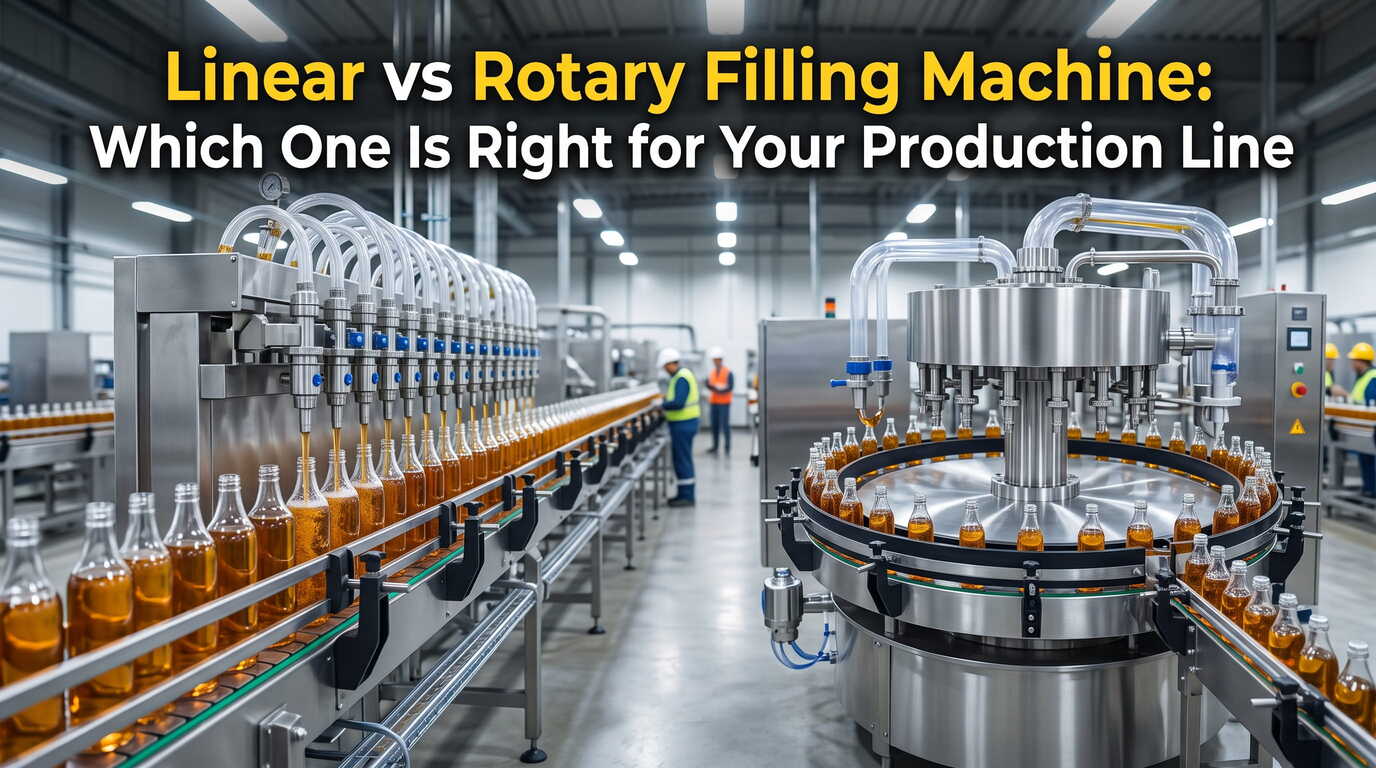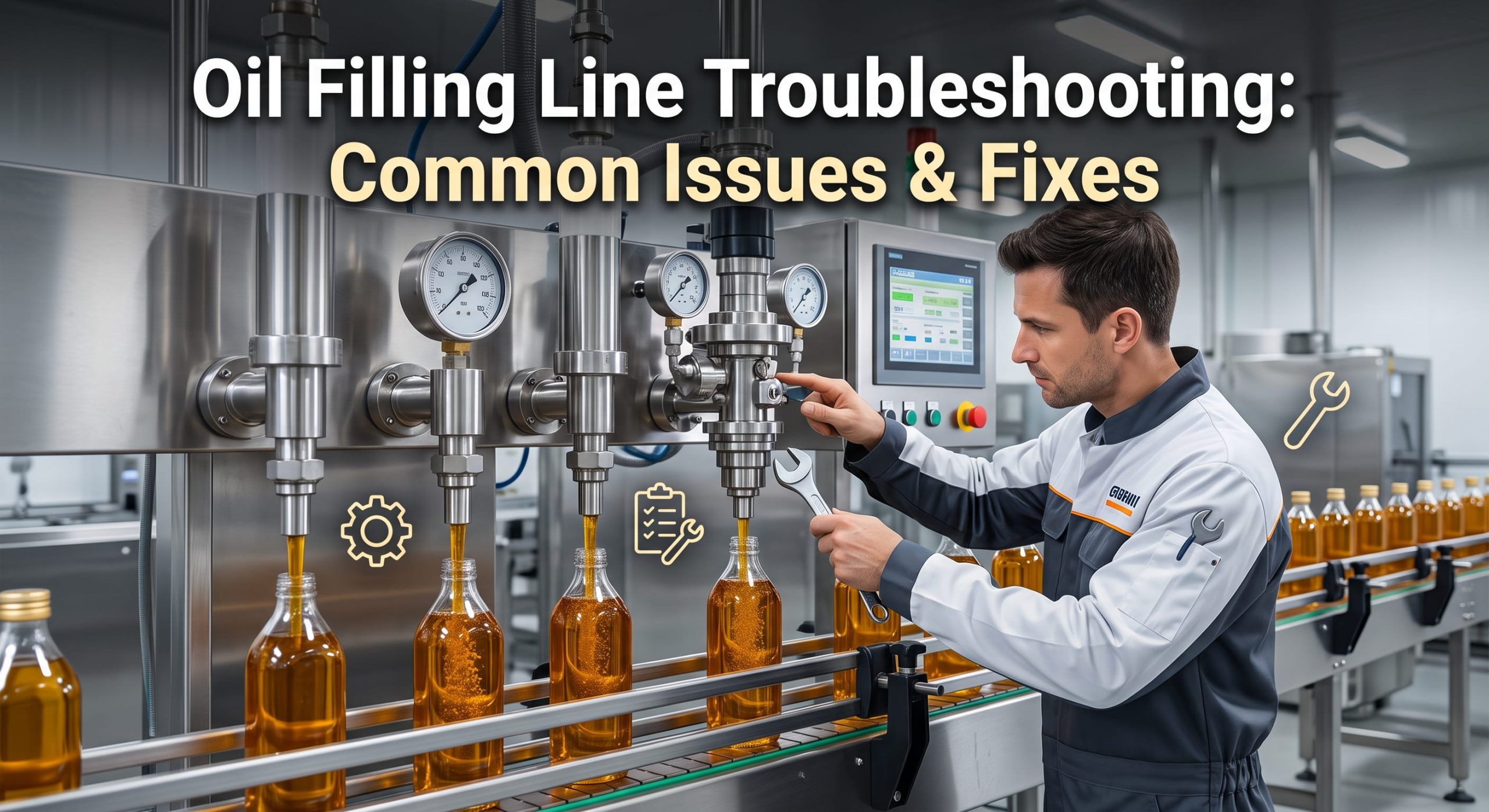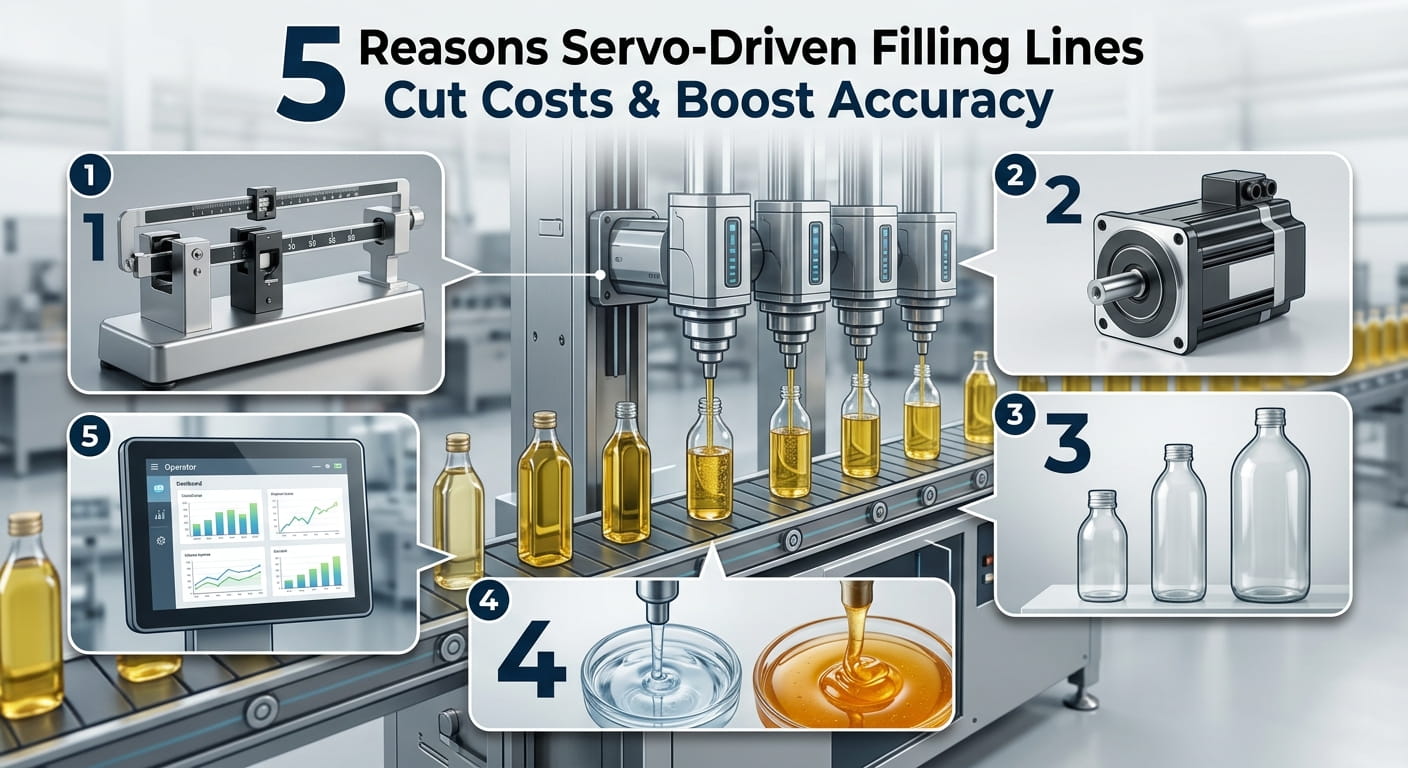

Tanto para las cervecerías como para las plantas embotelladoras, la eficiencia de los procesos de producción es fundamental. Aquí es donde entran en juego las máquinas llenadoras de botellas de cerveza. Estas máquinas no son solo herramientas; representan el puente entre la elaboración de la cerveza y la satisfacción del consumidor. En este artículo, exploraremos las diversas dimensiones de las máquinas llenadoras de botellas de cerveza, abordando sus funcionalidades, tipos, consideraciones operativas y su importancia en la industria cervecera.
Comprender los conceptos básicos de las máquinas llenadoras de botellas de cerveza
Las máquinas llenadoras de botellas de cerveza son equipos especializados diseñados para automatizar el llenado de cerveza en botellas. Estas máquinas han evolucionado significativamente a lo largo de los años y ahora están equipadas con tecnología avanzada que garantiza precisión, velocidad e higiene. Una comprensión fundamental de cómo funcionan estas máquinas puede beneficiar significativamente a los operadores de cervecerías a la hora de seleccionar el modelo adecuado para sus necesidades.
Tipos de máquinas llenadoras de botellas de cerveza
Al considerar la compra de una máquina llenadora de botellas de cerveza, es importante reconocer que existen varios tipos diferentes, cada uno adaptado a capacidades y diseños de botella específicos. Estos son los tipos principales:
1. Llenadoras por gravedad
Las llenadoras por gravedad dependen de la fuerza natural de la gravedad para llenar las botellas. A medida que las botellas se colocan debajo de las boquillas de llenado, la cerveza fluye hacia ellas hasta alcanzar un nivel predeterminado. Este método es particularmente adecuado para bebidas sin gas, ya que el exceso de espuma puede provocar ineficiencias. Las llenadoras por gravedad pueden ser manuales o semiautomáticas, lo que las convierte en una opción rentable para cervecerías pequeñas y medianas.
2. Llenadoras a presión
Las llenadoras a presión utilizan una fuerza aplicada que resulta en una formación mínima de espuma, lo que las hace ideales para cervezas carbonatadas. Estas máquinas utilizan la presión tanto del tanque de almacenamiento de cerveza como de la botella para garantizar que la cerveza se llene por completo sin una exposición excesiva al aire. Por lo general, son más complejas y adecuadas para operaciones a mayor escala donde la velocidad y la eficiencia son esenciales.
3. Llenadoras al vacío
Las llenadoras al vacío utilizan un sistema de vacío para introducir la cerveza en la botella. Antes del llenado, la máquina crea un vacío dentro de la botella, lo que ayuda a minimizar la oxidación y preservar el sabor de la cerveza. Si bien este método es excelente para mantener la calidad de la cerveza, requiere una técnica precisa y debe ser operado por personal capacitado.
4. Llenadoras a contrapresión
Las llenadoras a contrapresión se utilizan normalmente en plantas embotelladoras de alta capacidad. Este equipo está diseñado para llenar botellas bajo presión mientras las purga simultáneamente con CO2 para eliminar el oxígeno. Este proceso garantiza que se mantengan los niveles de carbonatación de la cerveza, lo que la convierte en una excelente opción para producir una variedad de bebidas carbonatadas.
Características clave a considerar
No todas las máquinas llenadoras de botellas de cerveza son iguales. Al seleccionar una máquina, considere las siguientes características clave:
1. Velocidad de llenado
La velocidad a la que opera una máquina llenadora puede afectar significativamente su capacidad de producción general. Evalúe sus objetivos de producción para determinar los requisitos de velocidad de la máquina. La mayoría de los fabricantes ofrecen máquinas que pueden llenar desde unas pocas botellas por minuto hasta varios miles.
2. Compatibilidad de botellas
La cerveza viene en varias formas y tamaños de botellas. Asegúrese de que la máquina llenadora que elija pueda adaptarse a los tipos específicos de botellas que planea utilizar. Las boquillas ajustables y las piezas intercambiables son características que brindan versatilidad para diferentes tipos de botellas.
3. Nivel de automatización
Dependiendo del tamaño y las necesidades de producción de su cervecería, considere qué tan automatizado desea que sea su proceso de llenado. Las máquinas totalmente automatizadas pueden requerir una mayor inversión inicial, pero pueden mejorar la productividad al reducir los costos laborales. Por el contrario, las máquinas semiautomáticas pueden ser más adecuadas para cervecerías más pequeñas.
4. Estándares de higiene
La higiene es fundamental en la industria de bebidas. Evalúe los materiales utilizados y el diseño de la máquina para asegurarse de que facilite la limpieza y cumpla con las normas de salud y seguridad. Las máquinas deben tener componentes de acero inoxidable y requerir una manipulación manual mínima.
Consideraciones operativas
Poseer una máquina llenadora de botellas de cerveza requiere una planificación cuidadosa y consideraciones operativas. Aquí hay algunos puntos vitales a tener en cuenta:
1. Capacitación y seguridad
Es esencial una capacitación adecuada para el personal que opera la máquina. Comprender cómo utilizar la máquina de manera eficiente, realizar el mantenimiento y solucionar posibles problemas puede ayudar a evitar averías costosas. Además, se deben seguir los protocolos de seguridad para prevenir accidentes y garantizar un entorno de trabajo seguro.
2. Mantenimiento y conservación
El mantenimiento regular es vital para mantener su máquina llenadora en condiciones óptimas. Cree un programa de mantenimiento que incluya revisiones rutinarias de las piezas mecánicas, programas de limpieza para evitar la contaminación y el reemplazo oportuno de los componentes desgastados. Este enfoque proactivo puede prolongar la vida útil de su equipo y mantener los niveles de producción.
3. Monitoreo y análisis de datos
Muchas máquinas llenadoras modernas vienen equipadas con sistemas de monitoreo que pueden rastrear métricas de rendimiento. Aproveche estos datos para analizar la precisión del llenado, el tiempo de inactividad y las necesidades de mantenimiento. Los conocimientos basados en datos pueden ayudar a optimizar sus procesos operativos y mejorar la eficiencia general.
La importancia de las máquinas llenadoras de botellas de cerveza en la industria
Las máquinas llenadoras de botellas de cerveza tienen un papel fundamental en el mantenimiento de la calidad y la eficiencia general del proceso de elaboración de la cerveza. Estas son algunas de las formas en que contribuyen a la industria:
1. Control de calidad
Al llenar meticulosamente las botellas con volúmenes precisos, las máquinas llenadoras ayudan a mantener una calidad constante. La consistencia garantiza la satisfacción y la lealtad del cliente, ya que los consumidores esperan uniformidad en el sabor y el empaque.
2. Rentabilidad
Automatizar el proceso de llenado puede reducir drásticamente los costos laborales y aumentar la velocidad de producción, lo que genera un ahorro de costos general para las cervecerías. La inversión inicial en una máquina llenadora de calidad a menudo se compensa con los beneficios financieros a largo plazo obtenidos a través de una mayor capacidad de producción.
3. Impacto ambiental
Las máquinas llenadoras de botellas de cerveza avanzadas están diseñadas para optimizar el uso de los recursos, volviéndose así cada vez más ecológicas. Características como el llenado preciso reducen los derrames y los residuos, mientras que la reducción de productos químicos de limpieza contribuye a disminuir la huella ambiental. Elegir una máquina llenadora eficiente se alinea con las prácticas sostenibles que resuenan con los consumidores modernos.
Conclusión
En conclusión, las máquinas llenadoras de botellas de cerveza son equipos vitales para las cervecerías que buscan lograr eficiencia operativa y mantener la calidad del producto. Al comprender los diferentes tipos de máquinas disponibles, sus características clave, las consideraciones operativas y su importancia más amplia en la industria, estará mejor equipado para tomar decisiones informadas sobre sus procesos de embotellado. Invertir en la máquina llenadora adecuada puede afectar significativamente el rendimiento de su cervecería, lo que en última instancia conducirá a una mayor producción y una base de clientes satisfecha. A medida que la industria continúa evolucionando, mantenerse informado sobre los últimos avances en tecnología de llenado permitirá a los productores mejorar sus operaciones de manera efectiva.