
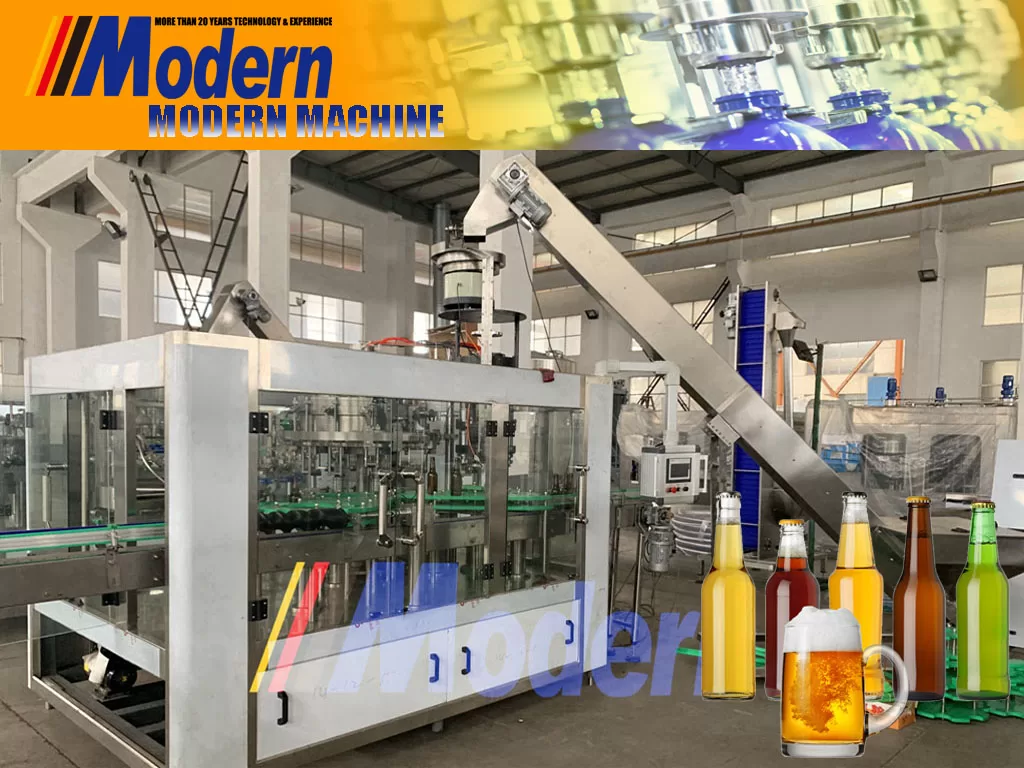
A medida que las cervecerías evolucionan y se expanden, un componente crítico que afecta la rentabilidad y el éxito operativo es el coste de las líneas de embotellado de cerveza. Invertir en equipos de embotellado es una decisión financiera importante que está influenciada por varios factores, que van desde la escala de producción hasta necesidades tecnológicas específicas. Este artículo proporcionará un examen exhaustivo de los costes de las líneas de embotellado de cerveza, ofreciendo información práctica y consejos útiles para los propietarios de cervecerías que consideran esta inversión esencial.
Comprender los componentes de una línea de embotellado de cerveza
Una línea de embotellado de cerveza comprende varios componentes interconectados que trabajan juntos para envasar la cerveza de manera eficiente. Comprender estos componentes puede aclarar qué afecta a los costes generales:
1. Enjuagadora de botellas
La enjuagadora de botellas es esencial para preparar las botellas para el llenado eliminando el polvo y los contaminantes. Los costes pueden variar según el nivel de automatización: las enjuagadoras manuales son menos costosas, mientras que los sistemas automatizados pueden aumentar significativamente el coste total.
2. Máquina llenadora
El corazón de la línea de embotellado, las máquinas llenadoras, pueden variar drásticamente de precio según la capacidad y la tecnología. Las llenadoras por gravedad tienden a ser menos costosas, mientras que las llenadoras a presión son más caras pero permiten un llenado más rápido, minimizando el contacto con el oxígeno.
3. Máquina taponadora
Las máquinas taponadoras aseguran las tapas de las botellas para garantizar la frescura y evitar fugas. La complejidad y la velocidad del sistema de tapado influyen en su coste. Los modelos básicos son económicamente viables, pero los sistemas de alta velocidad son una alternativa costosa pero eficiente.
4. Equipos de etiquetado
El etiquetado es una parte vital del marketing y la marca. Los aplicadores de etiquetas independientes pueden ser asequibles, pero los sistemas de etiquetado y codificación totalmente integrados aumentan el precio debido a las funcionalidades adicionales. Elegir el sistema adecuado que se alinee con la estrategia de marca es esencial.
5. Sistemas de transporte
Los sistemas de transporte son fundamentales para mover las botellas a lo largo de la línea de producción. Dependiendo del diseño, la calidad del material y el nivel de automatización, los costes pueden variar significativamente. Los sistemas personalizables adaptados a necesidades de producción específicas pueden requerir una mayor inversión.
Factores que influyen en los costes de la línea de embotellado de cerveza
Al calcular el coste total de una línea de embotellado, se deben considerar varios factores:
1. Escala de producción
La escala de la cervecería (ya sea artesanal, regional o a gran escala) a menudo establece una base para la inversión en tecnología de embotellado. Las cervecerías más pequeñas pueden priorizar máquinas más pequeñas y rentables que se adapten a sus objetivos de producción, mientras que las operaciones más grandes suelen optar por soluciones de alta velocidad y fáciles de automatizar.
2. Nivel de automatización
El grado de automatización en una línea de embotellado puede elevar los costes significativamente, pero ofrece beneficios a largo plazo como la reducción de las necesidades de mano de obra y una mayor eficiencia. Las cervecerías deben evaluar sus objetivos de producción frente a las limitaciones presupuestarias al seleccionar el nivel adecuado de automatización.
3. Calidad y durabilidad
Invertir en maquinaria de calidad reduce el riesgo de tiempo de inactividad y costes de mantenimiento a largo plazo. Si bien las opciones de menor coste pueden parecer atractivas inicialmente, la fabricación de alta calidad a menudo produce una mejor fiabilidad y longevidad, lo que justifica mayores inversiones iniciales.
4. Necesidades de personalización
Las líneas de embotellado se pueden personalizar para tipos de cerveza, tamaños de botella y formas específicos. Las especificaciones personalizadas pueden generar mayores costes, por lo que las cervecerías deben considerar cómo una solución a medida se alinea con su línea de productos y estrategia de marca.
Desglose de costes de una línea de embotellado de cerveza
Desglosar los costes asociados con cada componente puede proporcionar una imagen más clara:
1. Inversión inicial
La inversión inicial incluye los costes de compra de equipos, instalación y cualquier actualización necesaria de la infraestructura existente. Los sistemas básicos pueden comenzar en el rango de 10.000 a 100.000 dólares, mientras que las líneas avanzadas con alta automatización pueden superar los 500.000 dólares.
2. Costes operativos
Además de la inversión inicial, los costes operativos como la electricidad, el mantenimiento y la mano de obra contribuyen al coste total de propiedad. La maquinaria eficiente puede reducir estos costes con el tiempo, lo que subraya la necesidad de considerar cuidadosamente la calidad del equipo y el consumo de energía.
3. Gastos de mantenimiento
El mantenimiento rutinario es esencial para maximizar la vida útil de los equipos de embotellado. Las cervecerías deben presupuestar el servicio regular, y es recomendable establecer un programa de mantenimiento preventivo para evitar reparaciones o reemplazos costosos que puedan interrumpir la producción.
Consejos prácticos para los propietarios de cervecerías
Dadas las complejidades de invertir en una línea de embotellado de cerveza, los propietarios de cervecerías pueden beneficiarse de consejos prácticos:
1. Evalúe sus necesidades de producción
Antes de asumir cualquier compromiso, realice una evaluación de su capacidad de producción y expectativas de crecimiento. Comprenda los estilos de cerveza que produce y evalúe la demanda para determinar la escala y el tipo de línea de embotellado necesarios que mejor se adapten a sus operaciones.
2. Investigue y compare opciones
Tómese el tiempo para investigar varias marcas y tipos de equipos. Asista a ferias comerciales de la industria, consulte con expertos e interactúe con otros cerveceros para recopilar información sobre proveedores de equipos confiables e innovaciones en tecnología de embotellado.
3. Considere el crecimiento futuro
Invertir en una línea de embotellado es una decisión a largo plazo. Elija una opción que permita la escalabilidad, anticipando el crecimiento futuro en la producción. Vale la pena considerar diseños de equipos flexibles que puedan actualizarse o ampliarse, a pesar de los posibles costes iniciales más altos.
4. Analice el coste total de propiedad
En lugar de centrarse únicamente en los costes iniciales, evalúe el coste total de propiedad, incluidos los gastos operativos y de mantenimiento. Invertir en equipos duraderos y de alta calidad puede requerir un gasto inicial mayor, pero podría ahorrar dinero a largo plazo.
5. Establezca un plan de mantenimiento
El mantenimiento preventivo es clave para prolongar la vida útil del equipo. Desarrolle un programa de mantenimiento integral y considere capacitar al personal en la resolución de problemas básicos para minimizar el tiempo de inactividad y mejorar la eficiencia operativa.
Conclusión
En conclusión, comprender el coste de las líneas de embotellado de cerveza es crucial para los propietarios de cervecerías que buscan mejorar sus capacidades de producción. Al reconocer los componentes, analizar los factores influyentes y buscar consejos prácticos, los cerveceros pueden tomar decisiones informadas que se alineen con sus necesidades operativas y limitaciones presupuestarias. A medida que la industria cervecera continúa expandiéndose, invertir en una línea de embotellado eficaz no solo garantiza la calidad del producto, sino que también mejora la ventaja competitiva de la cervecería en un mercado cada vez más saturado.


