En la industria de las bebidas, en rápida evolución, la eficiencia y la calidad son primordiales. Para los emprendedores y las empresas que buscan establecer o mejorar sus capacidades de producción, las líneas de embotellado de bebidas llave en mano ofrecen una solución integral. Estos sistemas están diseñados para optimizar el proceso de producción, reduciendo la mano de obra manual y garantizando al mismo tiempo un resultado de alta calidad. Este artículo profundizará en qué son las líneas de embotellado de bebidas llave en mano, sus beneficios, componentes clave, criterios de selección y conocimientos prácticos para ayudar a las empresas a gestionar sus necesidades de embotellado de manera eficaz.
Entender las líneas de embotellado de bebidas llave en mano
Una línea de embotellado de bebidas llave en mano es un sistema integrado que abarca todo el equipo necesario para el proceso de embotellado, desde el procesamiento hasta el envasado. El término “llave en mano” sugiere que el sistema está listo para su uso inmediato tras la instalación, lo que permite a las empresas centrarse en sus operaciones principales sin la molestia de tener que ensamblar componentes individuales. Esto puede incluir maquinaria para lavar, llenar, tapar, etiquetar y envasar bebidas en diversos formatos.
Beneficios de las líneas de embotellado de bebidas llave en mano
Invertir en una línea de embotellado de bebidas llave en mano tiene numerosas ventajas, lo que la convierte en una opción atractiva para muchos productores:
1. Operaciones optimizadas
Uno de los principales beneficios de una solución llave en mano es la integración perfecta de varios procesos. Al consolidar múltiples funciones en una unidad cohesiva, las empresas pueden minimizar el tiempo de inactividad entre pasos, lo que conduce a una mayor eficiencia operativa. Este flujo de trabajo optimizado es especialmente crucial durante los momentos de máxima producción, asegurando que la producción satisfaga la demanda del mercado.
2. Rentabilidad
Aunque la inversión inicial en una línea de embotellado llave en mano puede ser considerable, los ahorros a largo plazo pueden ser significativos. Al reducir los costos laborales, minimizar los residuos y mejorar la eficiencia de la producción, las empresas pueden lograr un retorno de la inversión más rápido. Además, muchos fabricantes de estos sistemas brindan soporte de mantenimiento, lo que reduce aún más los costos operativos con el tiempo.
3. Flexibilidad y escalabilidad
Las líneas de embotellado llave en mano se pueden adaptar para satisfacer las necesidades específicas de una empresa. Esta flexibilidad significa que, a medida que las necesidades de producción de una empresa crecen o cambian, el sistema puede ajustarse en consecuencia. Ya sea cambiando de una producción a pequeña escala a grandes tiradas de embotellado, o introduciendo nuevas formulaciones de bebidas, las líneas llave en mano pueden adaptarse a estas demandas.
4. Garantía de calidad
Con sistemas integrados, las empresas pueden garantizar un mayor nivel de control de calidad durante todo el proceso de producción. La consistencia en los niveles de llenado, la integridad de la tapa y la aplicación de etiquetas se pueden gestionar de cerca con procesos automatizados, lo que reduce significativamente la probabilidad de error humano. Este enfoque en la calidad no solo satisface los estándares regulatorios, sino que también protege la reputación de la marca.
Componentes clave de una línea de embotellado llave en mano
Al evaluar o diseñar una línea de embotellado de bebidas llave en mano, es crucial comprender sus componentes principales. Cada parte juega un papel importante en la consecución de un proceso de embotellado eficiente:
1. Sistemas de limpieza
Antes del llenado, las botellas deben limpiarse a fondo para garantizar la seguridad y la calidad del producto. Los sistemas de limpieza automatizados suelen emplear lavado a alta presión, enjuague y desinfección para preparar los envases para el llenado. Estos sistemas ayudan a prevenir la contaminación y a mantener los estándares de higiene.
2. Máquinas de llenado
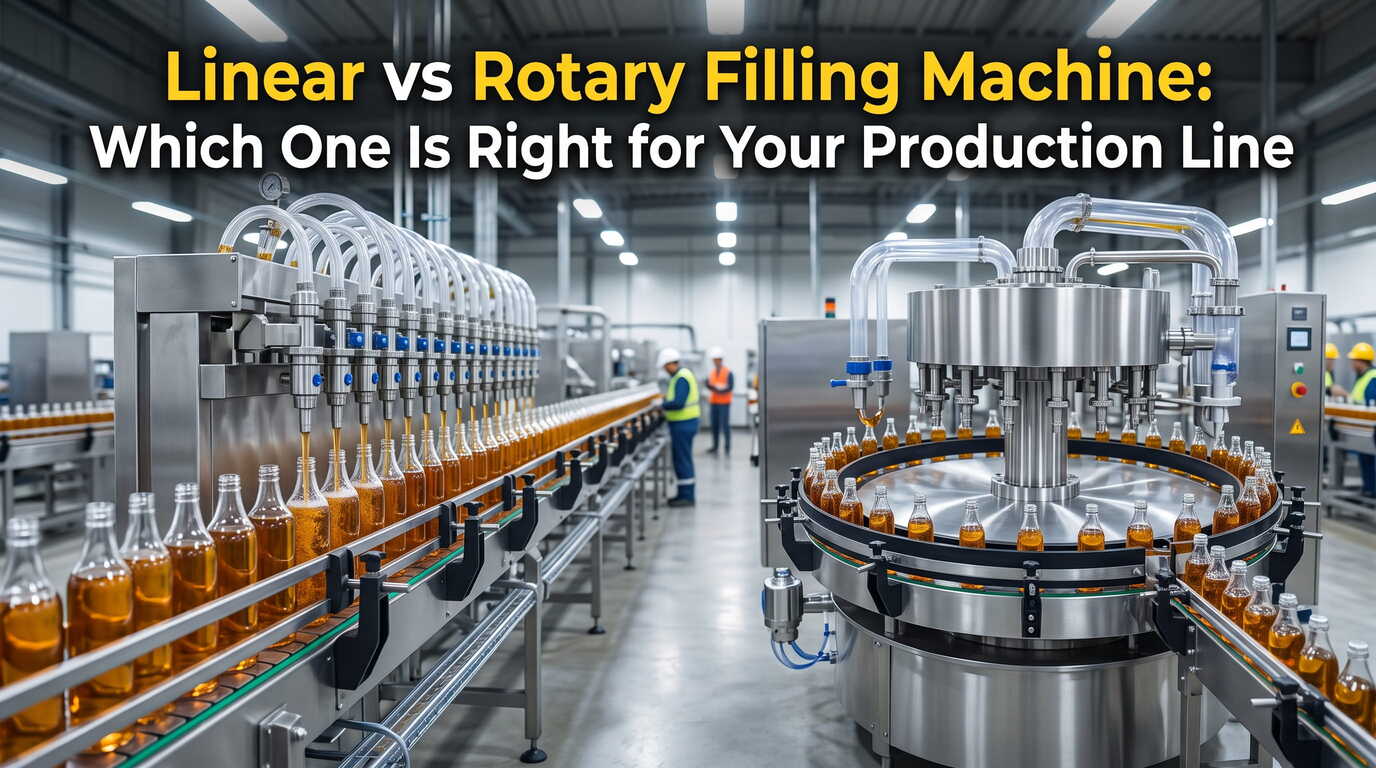
Las máquinas llenadoras son el corazón de cualquier línea de embotellado. Dependiendo del tipo de bebida (ya sea carbonatada, no carbonatada, de llenado en caliente o de llenado en frío), existen varias tecnologías de llenado disponibles, como el llenado volumétrico, por gravedad o por presión. Cada método tiene sus ventajas y se elige en función del producto que se va a embotellar.
3. Máquinas tapadoras
Una vez llenas, las botellas deben sellarse de forma segura. Las máquinas tapadoras vienen en varias configuraciones, incluyendo tapadoras de rosca, tapadoras a presión y corchadoras, cada una de las cuales satisface diferentes necesidades de envasado. Asegurar la aplicación correcta de la tapa evita fugas y mantiene la integridad del producto.
4. Máquinas etiquetadoras
El etiquetado es fundamental para la marca y el cumplimiento normativo. Las máquinas etiquetadoras automatizadas pueden aplicar etiquetas de forma precisa y eficiente, a menudo con la capacidad de imprimir datos variables como números de lote o fechas de caducidad. Elegir la tecnología de etiquetado adecuada puede mejorar el atractivo del producto en el estante.
5. Sistemas de envasado
Después del embotellado, las bebidas deben envasarse para su distribución. Este componente puede incluir envoltura retráctil, empaquetado en cajas de cartón, paletizado y más. Los sistemas de envasado eficientes ayudan a mantener la calidad del producto durante el tránsito y mejoran la eficiencia del almacenamiento en almacén.
Selección de la línea de embotellado de bebidas llave en mano adecuada
Elegir una línea de embotellado llave en mano adecuada requiere una cuidadosa consideración de varios factores para garantizar que el sistema se alinee con sus objetivos comerciales:
1. Comprender las necesidades de producción
Antes de embarcarse en el proceso de selección, defina claramente sus necesidades de producción. Factores como los niveles de producción actuales, el crecimiento esperado y los tipos de bebidas afectarán significativamente su elección. Realizar un análisis exhaustivo de estas necesidades le permitirá seleccionar un sistema que realmente cumpla con sus requisitos.
2. Investigar las tecnologías disponibles
Familiarícese con las diversas tecnologías disponibles en equipos de embotellado. Las diferentes máquinas ofrecen ventajas únicas, como velocidad, precisión y adaptabilidad. Invierta tiempo en comprender cómo cada tecnología se alinea con los atributos de su producto y sus objetivos comerciales.
3. Evaluar la experiencia del proveedor
Asociarse con un proveedor experimentado es fundamental. Evalúe su reputación en la industria, sus capacidades de soporte técnico y sus servicios posteriores a la instalación. Un proveedor confiable no solo ofrecerá orientación durante el proceso de selección, sino que también brindará soporte y servicio continuos para garantizar que el sistema funcione de manera óptima.
4. Consideraciones presupuestarias
Establezca un presupuesto realista que abarque tanto las inversiones iniciales como los costos operativos futuros. Si bien los sistemas llave en mano pueden ser más costosos por adelantado, compare los ahorros a largo plazo y las eficiencias operativas con los costos iniciales. El equilibrio adecuado conducirá a una inversión más sostenible.
5. Cumplimiento y certificaciones de calidad
Asegúrese de que el sistema elegido cumpla con el cumplimiento normativo necesario y los estándares de la industria. Certificaciones como ISO, FDA y HACCP demuestran un enfoque en la garantía de calidad y la seguridad del producto, que son factores críticos en la industria de las bebidas.
Conclusión
Las líneas de embotellado de bebidas llave en mano representan un avance significativo en la eficiencia de fabricación, el control de calidad y la adaptabilidad. Al invertir en estos sistemas integrados, las empresas pueden mejorar la producción, reducir costos y mejorar la calidad general del producto. La elección de una solución llave en mano requiere una evaluación cuidadosa de las necesidades operativas, la tecnología, la experiencia del proveedor, el presupuesto y el cumplimiento. Armadas con este conocimiento y una comprensión profunda de los componentes que conforman una línea de embotellado llave en mano, las empresas pueden posicionarse para el éxito en el competitivo mercado de las bebidas. Con el sistema adecuado, el viaje desde la producción hasta el estante se convierte en un proceso fluido y eficiente, lo que permite a los emprendedores centrarse en lo que mejor saben hacer: ofrecer productos excepcionales a sus clientes.