Invertir en una máquina llenadora de botellas pequeñas puede ser una decisión importante para las empresas de las industrias de bebidas, farmacéutica y cosmética. Comprender el precio de estas máquinas es fundamental para realizar una inversión sólida. Este artículo profundiza en varios aspectos que influyen en el precio de las máquinas llenadoras de botellas pequeñas, ofrece información sobre cómo tomar la decisión correcta y destaca consejos prácticos para las empresas que buscan mejorar sus operaciones.
Entendiendo las máquinas llenadoras de botellas pequeñas
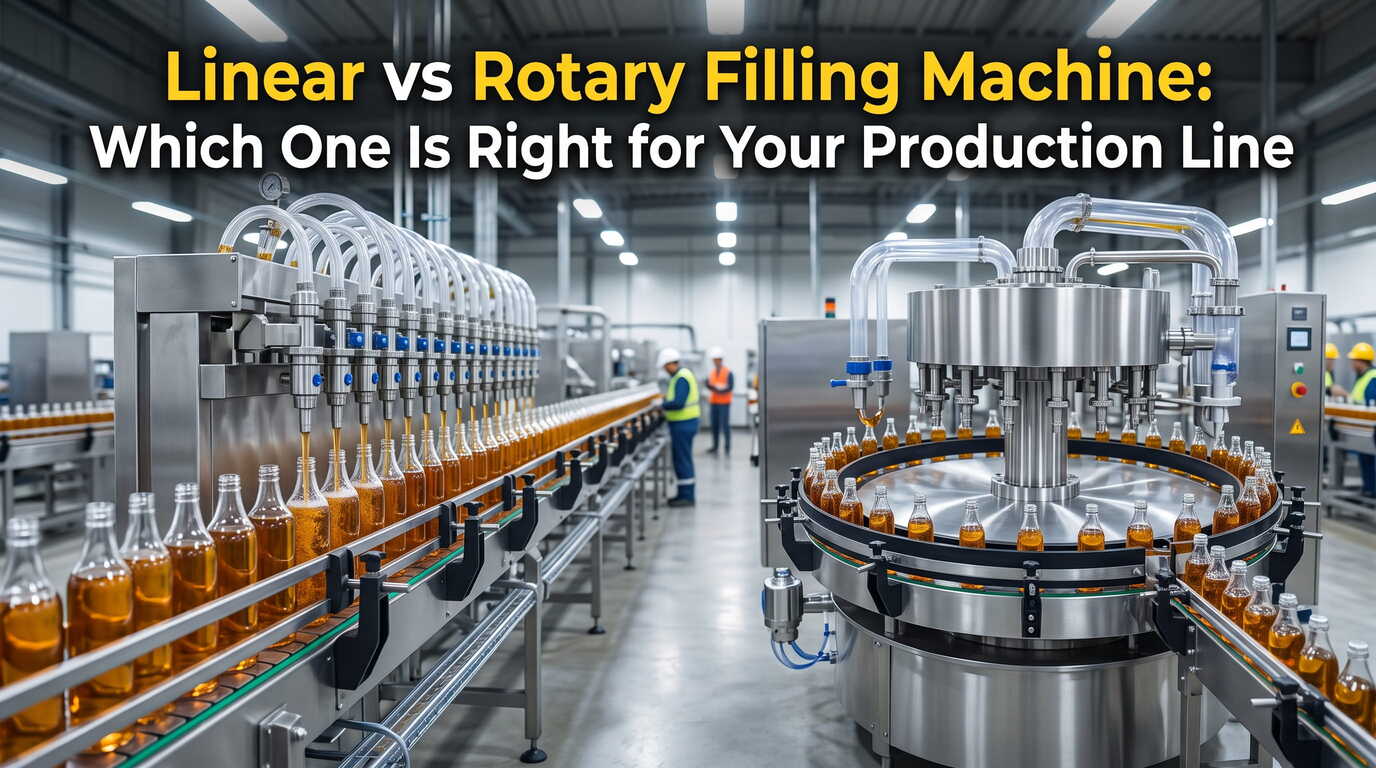
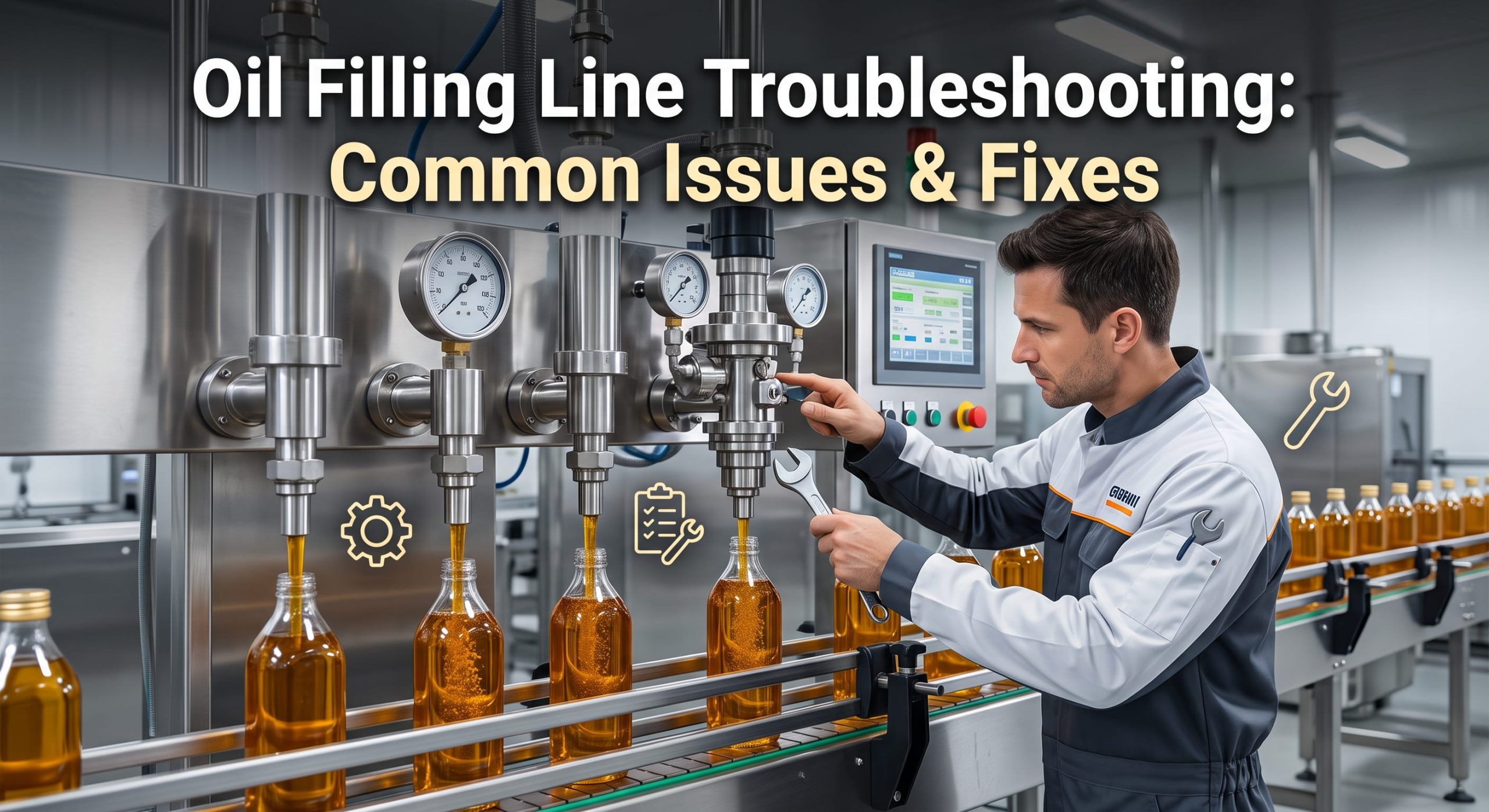
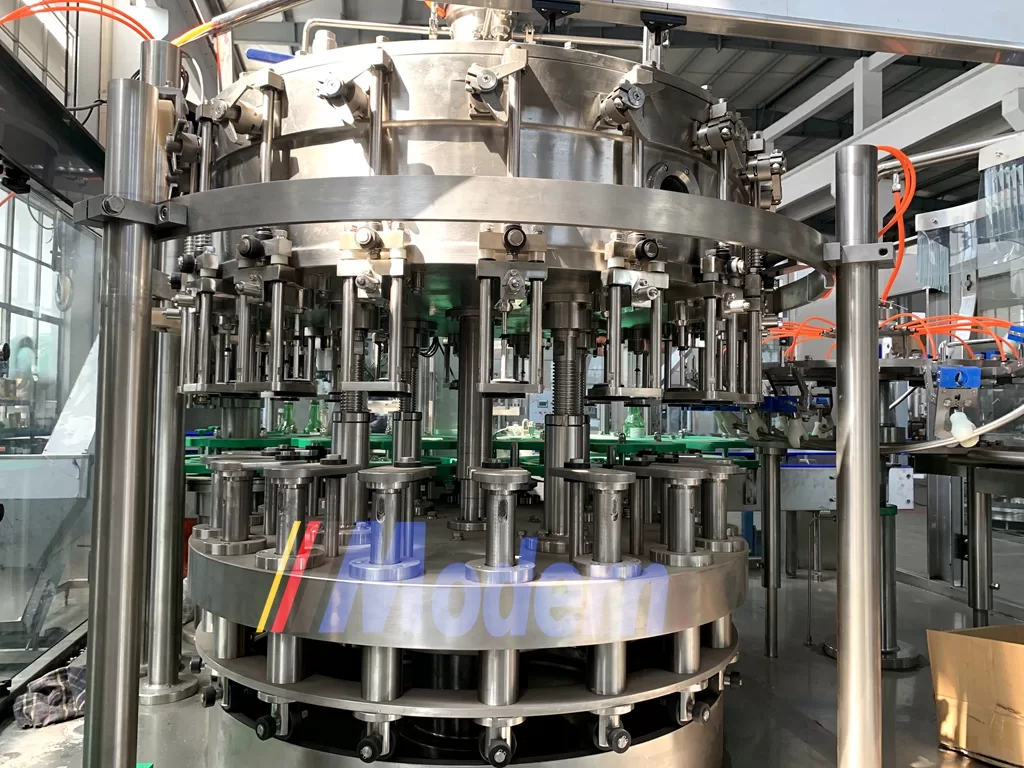
Las máquinas llenadoras de botellas pequeñas son equipos especializados diseñados para envasar productos líquidos en recipientes pequeños. Son esenciales para los fabricantes que trabajan con líquidos, incluidos jugos, aceites, productos químicos y farmacéuticos. Estas máquinas cuentan con diversas capacidades, como operación automática o manual, llenado al vacío o por presión, y pueden manejar diferentes tamaños y formas de botellas.
Factores que influyen en el precio de las máquinas llenadoras de botellas pequeñas
Al evaluar el precio de las máquinas llenadoras de botellas pequeñas, entran en juego varios factores:
1. Capacidad de la máquina
La capacidad de la máquina, definida por cuántas botellas puede llenar por hora, afecta enormemente su precio. Las máquinas de mayor capacidad generalmente cuestan más debido a la complejidad añadida, la durabilidad y la tecnología necesaria para lograr tasas de llenado rápidas y eficientes. Las empresas deben analizar sus necesidades de producción para seleccionar una máquina que cumpla con sus requisitos sin gastar de más en una capacidad innecesaria.
2. Tipo de tecnología de llenado
Existen varios tipos de tecnologías de llenado disponibles, incluyendo llenado por gravedad, llenado por presión y llenado al vacío. Cada tipo tiene diferentes ventajas e inconvenientes que afectan tanto al rendimiento como al costo. Por ejemplo, las máquinas de llenado por gravedad pueden ser menos costosas, pero podrían no ser adecuadas para líquidos más espesos. Comprender el tipo de líquido que se va a dispensar guiará la elección de la tecnología de llenado y sus costos asociados.
3. Nivel de automatización
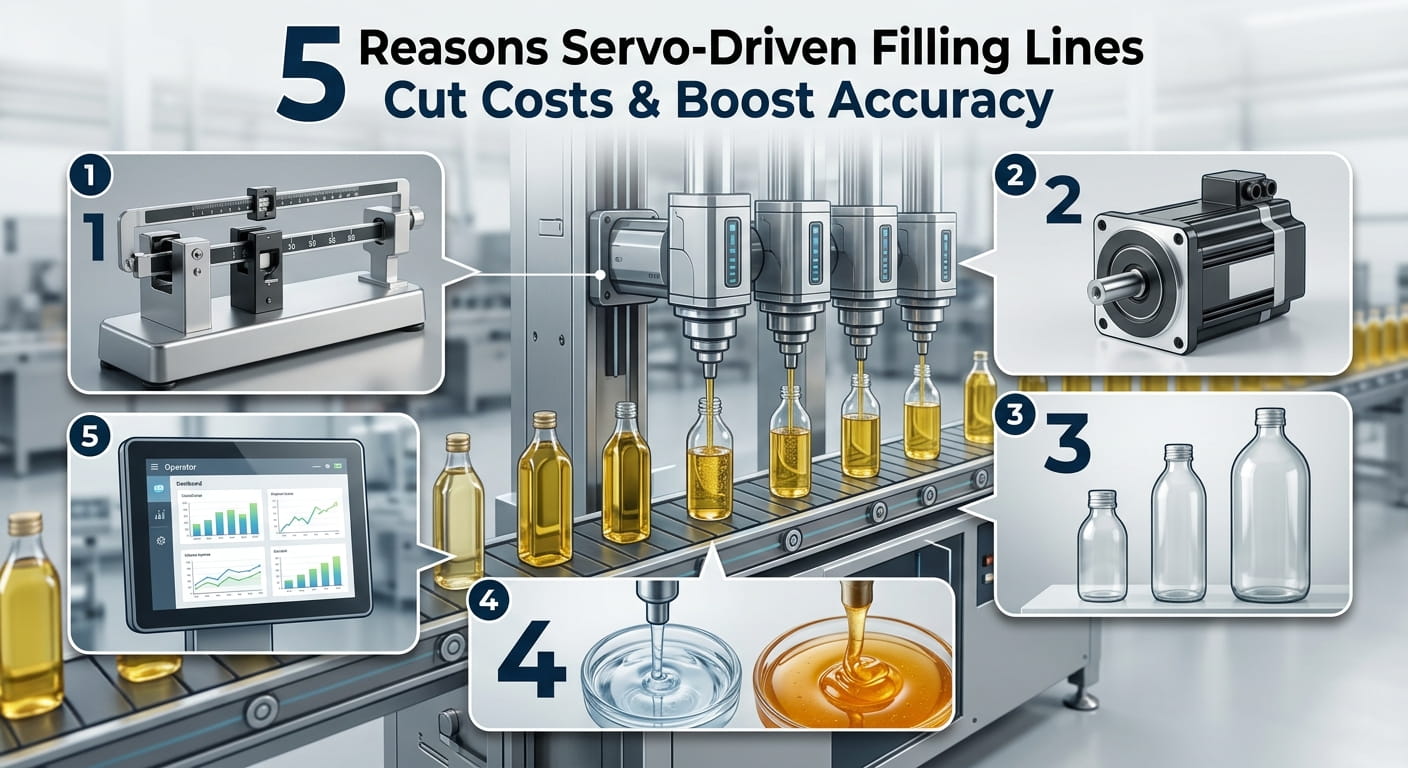
El grado de automatización puede afectar significativamente el precio. Las máquinas manuales suelen costar menos, pero requieren más mano de obra y pueden ser más lentas que sus contrapartes automáticas. Las máquinas automáticas, equipadas con tecnología avanzada, proporcionan una mayor eficiencia y reducen los costos laborales a largo plazo. Evaluar las compensaciones entre la inversión inicial y la eficiencia operativa es crucial para tomar la decisión correcta.
4. Calidad y durabilidad
Invertir en una máquina duradera y de alta calidad puede significar un costo inicial más alto, pero se traduce en menores gastos de mantenimiento y reemplazo con el tiempo. Es esencial evaluar los materiales utilizados, la reputación de los fabricantes y las garantías proporcionadas. Una máquina robusta garantiza un rendimiento constante y un tiempo de inactividad minimizado, lo que resulta valioso a largo plazo.
5. Personalización y características
Las características adicionales, como configuraciones programables, mecanismos de seguridad mejorados y opciones integradas de etiquetado o tapado, pueden aumentar el costo total. Si bien estas características brindan comodidad y eficiencia, las empresas deben evaluar su necesidad de acuerdo con sus procesos operativos únicos y sus limitaciones presupuestarias.
Rangos de precios de las máquinas llenadoras de botellas pequeñas
Los precios de las máquinas llenadoras de botellas pequeñas pueden variar ampliamente según los factores mencionados anteriormente:
Máquinas de nivel básico
Las máquinas de nivel básico, adecuadas para pequeñas empresas o startups, suelen oscilar entre 1.000 y 5.000 dólares. Estas máquinas ofrecen capacidades de llenado básicas y suelen ser manuales o semiautomáticas. Son ideales para empresas con presupuestos limitados y menores demandas de producción.
Máquinas de gama media
Las máquinas de gama media suelen costar entre 5.000 y 20.000 dólares. A menudo cuentan con mayor automatización, mayores capacidades y mejor calidad de materiales. Estas máquinas son adecuadas para empresas que buscan escalar sus operaciones o aumentar la eficiencia sin incurrir en costos exorbitantes.
Máquinas de gama alta
Las máquinas llenadoras de botellas pequeñas de gama alta pueden costar desde 20.000 hasta más de 100.000 dólares. Vienen equipadas con tecnología avanzada, operaciones totalmente automáticas y la capacidad de manejar procesos de llenado complejos. Las empresas más grandes o aquellas que manejan altos volúmenes de producción encontrarán valor en estas máquinas premium.
Tomar una decisión de compra informada
Al considerar la compra de una máquina llenadora de botellas pequeñas, las empresas deben seguir un enfoque práctico para asegurarse de tomar una decisión informada:
1. Evaluar las necesidades de producción
Antes de lanzarse a comprar una máquina, es vital evaluar sus necesidades de producción. Analice el volumen de botellas que necesita llenar diariamente, el tipo de líquido y los requisitos específicos de embotellado. Esta información le guiará hacia la selección de una máquina que se ajuste más estrechamente a sus necesidades operativas.
2. Investigue y compare opciones
Una investigación exhaustiva entre varios fabricantes y modelos ayuda a medir los rangos de precios y las características. Comparar varias máquinas basándose en estándares como la capacidad, la automatización y las características generales dará una imagen más clara de qué esperar en términos de rendimiento y precio.
3. Considerar el costo total de propiedad
Si bien el precio de compra inicial es importante, el costo total de propiedad incluye la instalación, el mantenimiento y los costos operativos a lo largo del tiempo. Una máquina menos costosa puede generar mayores costos a largo plazo debido a reparaciones frecuentes o ineficiencia, mientras que una mayor inversión inicial podría ahorrar dinero en el futuro.
4. Busque asesoramiento de expertos
Si no está seguro de cuál es la elección correcta, consultar con expertos de la industria o especialistas en maquinaria puede proporcionar información adaptada a su situación única. Pueden asesorar sobre las últimas tecnologías, recomendar modelos adecuados o ayudar a navegar por el complejo panorama de las máquinas llenadoras.
La importancia de las relaciones con los proveedores
Establecer relaciones sólidas con los proveedores puede mejorar su experiencia de compra y su éxito operativo general:
1. Comprender los servicios de soporte
Evalúe qué tipo de soporte posventa se ofrece, incluidos los servicios de instalación, capacitación y mantenimiento. Un fabricante que brinda soporte integral puede facilitar la transición y garantizar que los operadores estén bien capacitados, lo que conduce a un rendimiento óptimo de la máquina.
2. Construir asociaciones a largo plazo
Los proveedores deben ser vistos como socios a largo plazo en lugar de simples vendedores. Construir una buena relación puede facilitar una mejor comunicación, precios favorables en futuras compras y confiabilidad durante solicitudes de soporte urgentes.
Conclusión
En resumen, comprender la dinámica de precios que rodea a las máquinas llenadoras de botellas pequeñas es crucial para las empresas que buscan mejorar la eficiencia de la producción. Al considerar factores como la capacidad, la tecnología, los niveles de automatización y los costos totales de propiedad, las empresas pueden tomar decisiones informadas que se adapten a sus necesidades operativas. Además, establecer relaciones sólidas con los proveedores es clave para obtener asistencia continua y garantizar un éxito sostenido. En última instancia, las inversiones bien investigadas pueden conducir a mejoras significativas en la productividad y la rentabilidad en el competitivo panorama del llenado de botellas.