
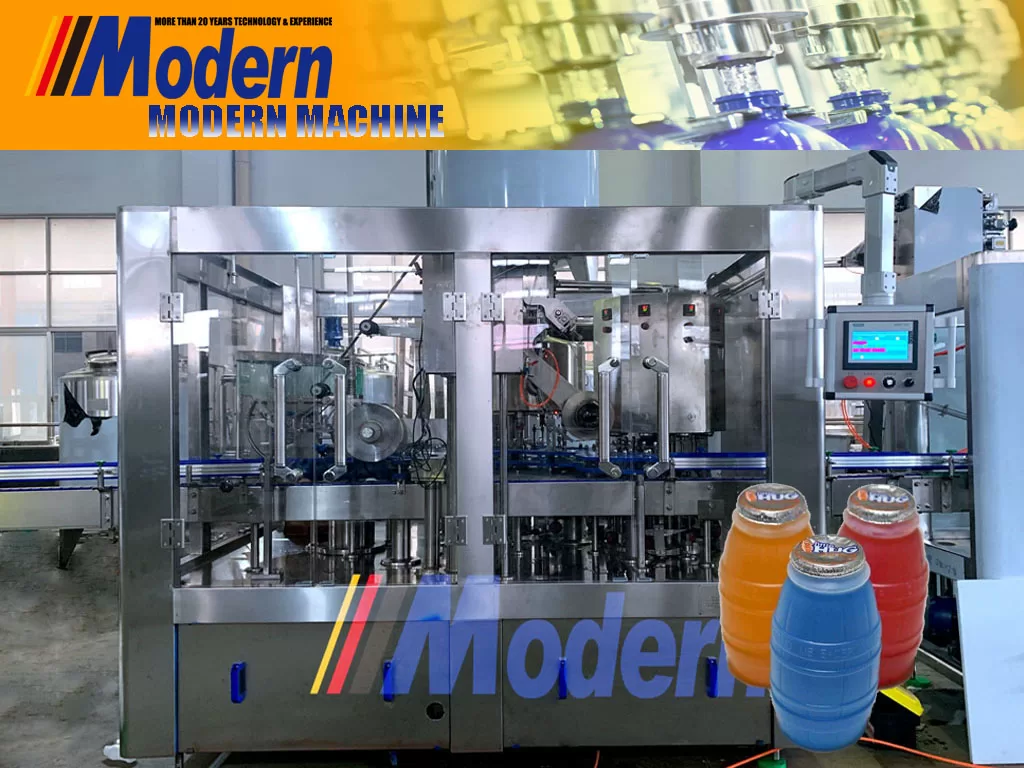
La industria láctea ha experimentado importantes avances tecnológicos en los últimos años, lo que ha llevado a una mayor eficiencia en los procesos de producción. Una de esas innovaciones que desempeña un papel crucial en esta industria es la máquina embotelladora de leche. Este artículo ofrece una visión detallada de las máquinas embotelladoras de leche, su importancia, tipos, mecanismos operativos y los factores clave a considerar al seleccionar la máquina adecuada para sus necesidades de producción.
Comprender la importancia de las máquinas embotelladoras de leche
Las máquinas embotelladoras de leche son esenciales en la cadena de suministro de producción láctea, ya que facilitan el envasado adecuado de la leche, garantizando su seguridad, calidad y frescura. Un sistema de embotellado eficiente no solo preserva la integridad de la leche, sino que también mejora la imagen de marca y el atractivo del producto. Como resultado, invertir en tecnología de embotellado moderna puede influir significativamente en la productividad y las ventas generales de una empresa.
La funcionalidad de las máquinas embotelladoras de leche
En esencia, las máquinas embotelladoras de leche están diseñadas para llenar, tapar y etiquetar varios tipos de envases de leche, incluyendo botellas y cartones. Las máquinas vienen equipadas con mecanismos avanzados que garantizan un llenado preciso, minimizando el desperdicio y la contaminación.
Componentes clave de las máquinas embotelladoras de leche
1. Mecanismo de llenado: Este es el corazón de cualquier máquina embotelladora. El mecanismo de llenado puede ser volumétrico o basado en peso, dependiendo de la precisión deseada y el tipo de leche que se esté procesando.
2. Sistema de tapado: Después del llenado, la tapa debe fijarse de forma segura para garantizar la frescura y evitar fugas. El sistema de tapado puede incluir componentes automáticos o semiautomáticos, según las necesidades de producción.
3. Estación de etiquetado: Un etiquetado adecuado es esencial no solo para el cumplimiento de las normas de seguridad alimentaria, sino también para la información del consumidor. El sistema de etiquetado aplica etiquetas adhesivas o retráctiles de manera eficiente y precisa.
4. Interfaz de control: Muchas máquinas modernas vienen con interfaces fáciles de usar, lo que permite a los operadores monitorear el proceso de embotellado, ajustar la configuración y solucionar cualquier problema que pueda surgir.
Tipos de máquinas embotelladoras de leche
Las máquinas embotelladoras de leche se pueden clasificar según varios factores, incluidos su método operativo, capacidad y características de construcción. Comprender estos tipos puede guiar a los productores en la selección de la máquina adecuada para sus necesidades específicas.
1. Semiautomáticas frente a totalmente automáticas
Máquinas semiautomáticas: Estas máquinas requieren intervención manual para algunas tareas, como colocar las botellas en la cinta transportadora y taparlas. Suelen ser más asequibles y adecuadas para operaciones más pequeñas.
Máquinas totalmente automáticas: Al ofrecer mayores capacidades de producción, las máquinas totalmente automáticas manejan todos los procesos, desde el llenado hasta el etiquetado, sin asistencia manual. Son ideales para los grandes productores de lácteos que buscan eficiencia y velocidad.
2. Máquinas estándar frente a personalizadas
Máquinas estándar: Estas máquinas están diseñadas para llenar tamaños y tipos de botellas comunes, proporcionando una solución rentable para los requisitos de producción estándar.
Máquinas personalizadas: Para empresas con requisitos específicos, las máquinas personalizadas se pueden adaptar para acomodar diseños de botellas únicos, métodos de llenado u otras necesidades especializadas.
3. Máquinas multifuncionales
Algunas máquinas están equipadas para manejar múltiples productos además de la leche, como yogur o crema. Invertir en máquinas multifuncionales permite a los productores diversificar sus ofertas de productos sin necesidad de máquinas separadas para cada tipo de producto.
Eficiencia operativa y versatilidad de producción
La eficiencia operativa es una preocupación principal para cualquier productor de lácteos. Las máquinas embotelladoras de leche están diseñadas para optimizar este aspecto. La máquina adecuada puede mejorar la velocidad de producción, reducir los cuellos de botella y mantener la calidad del producto.
Factores clave que influyen en la eficiencia
1. Velocidad y capacidad: Elija una máquina con una velocidad de llenado que coincida con sus objetivos de producción. Comprender los requisitos de volumen diario ayudará a seleccionar una máquina que satisfaga esas necesidades sin comprometer la calidad.
2. Facilidad de limpieza y mantenimiento: La producción láctea exige altos estándares de higiene. Las máquinas que se pueden desmontar y limpiar fácilmente ayudan a mantener estos estándares y reducir el tiempo de inactividad.
3. Eficiencia energética: Las máquinas modernas están diseñadas para consumir menos energía manteniendo un alto rendimiento. Busque equipos con clasificaciones energéticas favorables para reducir los costos operativos con el tiempo.
Elección de la máquina embotelladora de leche adecuada
La selección de la máquina embotelladora de leche adecuada depende de varias consideraciones. El proceso debe ser integral e involucrar a varias partes interesadas, desde gerentes de producción hasta analistas financieros. Aquí hay algunos factores esenciales a considerar:
1. Requisitos de volumen de producción
Evaluar sus volúmenes de producción actuales y proyectados ayuda a garantizar que invierta en una máquina capaz de satisfacer sus necesidades. Considere factores como las temporadas de máxima producción al realizar esta evaluación.
2. Variedad de productos
Considere la variedad de productos lácteos que embotellará, incluidas las variaciones en el contenido de grasa, sabores añadidos o tipos de leche alternativa como la de almendras o soja. Cada producto puede requerir diferentes técnicas de llenado o configuraciones de máquina.
3. Restricciones presupuestarias
Establezca un presupuesto que tenga en cuenta no solo el precio de compra, sino también la instalación, el mantenimiento y cualquier posible actualización necesaria. Un panorama financiero claro guiará la toma de decisiones.
4. Consideraciones de espacio y diseño
Evalúe el diseño de sus instalaciones para asegurarse de que la máquina embotelladora encaje adecuadamente. Considere factores como el flujo de trabajo, la accesibilidad para el mantenimiento y las normas de seguridad.
Tendencias futuras en tecnologías de embotellado de leche
La industria láctea está en constante evolución y la tecnología desempeña un papel importante en su avance. Las tendencias futuras en las máquinas embotelladoras de leche probablemente se centrarán en la automatización, la sostenibilidad y la integración de datos.
1. Mayor automatización
A medida que avanza la tecnología, los sistemas de embotellado totalmente automatizados son cada vez más frecuentes, lo que reduce la necesidad de intervención humana y aumenta la velocidad y la consistencia de la producción.
2. Prácticas sostenibles
Con el creciente énfasis en la sostenibilidad, las máquinas futuras pueden integrar materiales y prácticas ecológicas u ofrecer opciones para envases reutilizables y reciclables.
3. Datos y análisis
El análisis avanzado de datos permitirá a los productores lácteos monitorear los procesos de cerca, identificar áreas de mejora y optimizar la producción en tiempo real, lo que en última instancia conducirá a una mayor eficiencia y ahorro de costos.
Conclusión: Invertir en máquinas embotelladoras de leche de calidad
Elegir la máquina embotelladora de leche adecuada es una decisión crítica que puede afectar significativamente la calidad y la eficiencia de la producción láctea. Teniendo en cuenta el volumen de producción, el espacio, la variedad de productos y las tendencias tecnológicas futuras, los productores deben abordar esta decisión con una planificación cuidadosa y una visión estratégica.
A medida que la industria láctea continúa evolucionando, invertir en maquinaria de embotellado eficiente y de alta calidad es vital para mantener una ventaja competitiva. Al comprender los diferentes tipos de máquinas y sus funcionalidades, los productores lácteos pueden tomar decisiones informadas que se alineen con sus objetivos de producción y las expectativas de los consumidores.


