
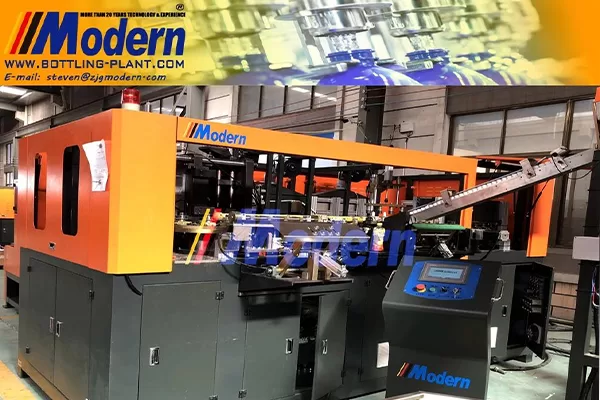
En el panorama en rápida evolución de la industria de bebidas, un envasado eficiente es esencial para mantener la calidad del producto y maximizar el rendimiento. Una de las tecnologías destacadas que ha ganado terreno es la máquina de llenado en caliente. Este artículo analizará en profundidad los mecanismos, las ventajas, los principios de funcionamiento y las mejores prácticas asociadas con las máquinas de llenado en caliente, proporcionando información práctica para las partes interesadas del sector.
Entendiendo las máquinas de llenado en caliente
Las máquinas de llenado en caliente son equipos especializados diseñados para llenar recipientes, como botellas y frascos, con productos líquidos calientes. Estas máquinas suelen funcionar calentando la bebida a una temperatura que permite la esterilización (generalmente entre 85 °C y 95 °C), eliminando así cualquier microorganismo potencialmente dañino. Este proceso no solo prolonga la vida útil, sino que también permite preservar el sabor, el color y el valor nutricional.
La mecánica detrás del llenado en caliente
El proceso de llenado en caliente implica varias etapas críticas:
- Precalentamiento: Los ingredientes crudos se calientan a la temperatura requerida.
- Llenado: El líquido caliente se transfiere a los recipientes preparados previamente. La clave es garantizar una exposición mínima al aire para evitar la oxidación.
- Sellado: Los recipientes se sellan inmediatamente después del llenado, a menudo con sellado por inducción o tapas de rosca, minimizando el riesgo de contaminación.
- Enfriamiento: Finalmente, los recipientes llenos y sellados se someten a un proceso de enfriamiento, ya sea en un baño de agua o a temperatura ambiente.
Ventajas de las máquinas de llenado en caliente
Existen varios beneficios convincentes asociados con el uso de máquinas de llenado en caliente, particularmente para los fabricantes enfocados en el mercado de bebidas:
1. Vida útil prolongada
Al calentar el contenido para eliminar patógenos y sellar los recipientes mientras el producto aún está caliente, la vida útil de las bebidas aumenta significativamente. Esto es particularmente importante para productos como jugos y salsas que, de otro modo, se echarían a perder rápidamente.
2. Mejora en la retención del sabor y valor nutricional
El llenado en caliente ayuda a retener los perfiles de sabor y los componentes nutricionales de las bebidas, ya que los tiempos de calentamiento cortos evitan la pérdida de compuestos volátiles. Esto es vital para garantizar la satisfacción del cliente, especialmente en un mercado competitivo.
3. Menor necesidad de conservantes
Dado que el proceso de llenado en caliente elimina eficazmente los microorganismos, disminuye la necesidad de conservantes químicos. Este puede ser un argumento de venta importante para los consumidores preocupados por su salud que buscan productos naturales.
4. Versatilidad
Las máquinas de llenado en caliente son altamente versátiles, capaces de manejar una gama de viscosidades, desde jugos ligeros hasta productos más viscosos. Esta adaptabilidad las convierte en una valiosa incorporación a cualquier línea de producción.
5. Rentabilidad
Con el tiempo, las máquinas de llenado en caliente pueden generar ahorros de costos sustanciales mediante la reducción de residuos, una vida útil prolongada y la minimización de los costos de ingredientes debido a la menor necesidad de conservantes.
Aplicaciones de las máquinas de llenado en caliente
Las máquinas de llenado en caliente sirven a una variedad de sectores dentro de la industria de bebidas. Sus aplicaciones principales incluyen:
1. Jugos de frutas y concentrados
Los jugos que se llenan en caliente conservan su frescura, color y sabor mejor que los tratados con conservantes. El llenado en caliente permite a los fabricantes producir jugos con un atractivo de etiqueta limpia.
2. Salsas y condimentos
El llenado en caliente se utiliza ampliamente en la producción de kétchup, salsas barbacoa y aderezos para ensaladas, donde el proceso térmico no solo garantiza la seguridad alimentaria, sino que también mejora el sabor mediante un proceso de calentamiento controlado.
3. Productos lácteos
Ciertas bebidas lácteas y bebidas de yogur también pueden beneficiarse de las técnicas de llenado en caliente, mejorando la vida útil del producto sin comprometer la calidad.
Mejores prácticas para el uso de máquinas de llenado en caliente
Para garantizar que su operación de llenado en caliente sea eficiente y efectiva, considere implementar estas mejores prácticas:
1. Mantenimiento regular
El mantenimiento constante es crucial para la longevidad y confiabilidad de las máquinas de llenado en caliente. Programe revisiones rutinarias y reparaciones inmediatas según sea necesario para evitar tiempos de inactividad no programados.
2. Capacitación de los empleados
Los empleados bien capacitados desempeñan un papel vital en el funcionamiento exitoso de los sistemas de llenado en caliente. Asegúrese de que todo el personal relevante comprenda la importancia del control de temperatura, las técnicas de llenado y los protocolos de higiene.
3. Control de calidad
Implemente un sistema de control de calidad sólido para monitorear cada paso del proceso de llenado en caliente. Realice pruebas periódicas de los productos llenados para detectar contenido microbiano y asegúrese de que su equipo cumpla con los estándares de la industria.
4. Optimice el diseño de la línea de producción
Una línea de producción bien organizada puede mejorar la eficiencia de sus operaciones de llenado en caliente. Minimice las transiciones entre cada paso para reducir el riesgo de contaminación y mejorar el flujo.
5. Invierta en tecnología
Considere invertir en maquinaria de llenado en caliente moderna con capacidades de automatización. Los sistemas automatizados pueden mejorar la eficiencia, reducir los costos laborales y mejorar la consistencia del producto.
Desafíos y soluciones en el llenado en caliente
Si bien las máquinas de llenado en caliente ofrecen varias ventajas, también presentan desafíos específicos que los fabricantes deben abordar:
1. Control de temperatura
Mantener la temperatura correcta es esencial para garantizar la seguridad y la calidad del producto. La implementación de sensores de temperatura y controles automatizados puede ayudar a mitigar este desafío.
2. Compatibilidad de los recipientes
No todos los envases son adecuados para el llenado en caliente; algunos materiales pueden deformarse o degradarse con las altas temperaturas. Realice pruebas exhaustivas de los envases antes de la producción para garantizar su compatibilidad.
3. Riesgo de sobrellenado
El sobrellenado puede provocar el desperdicio y el deterioro del producto. Utilice controles de llenado precisos y establezca directrices operativas claras para minimizar dichos riesgos.
Conclusión
Las máquinas de llenado en caliente representan un activo invaluable en la industria de bebidas, ya que ofrecen beneficios significativos en términos de conservación del producto, retención del sabor y rentabilidad. Al comprender las complejidades de su funcionamiento e implementar las mejores prácticas, los fabricantes pueden maximizar las ventajas que proporciona la tecnología de llenado en caliente. Con una planificación y ejecución cuidadosas, las empresas pueden mejorar su oferta de productos, aumentar la satisfacción del cliente y, en última instancia, impulsar el crecimiento en un mercado competitivo.
A medida que la industria de bebidas continúa evolucionando, adoptar prácticas eficientes, respetuosas con el medio ambiente y centradas en el consumidor será la clave del éxito. Las máquinas de llenado en caliente son un paso hacia el logro de ese equilibrio, lo que permite a las empresas ofrecer productos de alta calidad, seguros y atractivos al mercado de consumo.


