
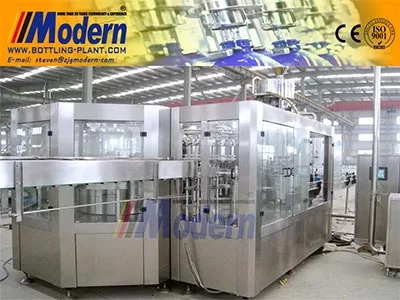
En el mercado globalizado, la demanda de procesos de fabricación eficientes y fiables ha llevado a avances sustanciales en las tecnologías de líneas de llenado. Este artículo tiene como objetivo proporcionar información valiosa sobre el funcionamiento, los tipos, los beneficios y los desafíos asociados con las fábricas de líneas de llenado. Tanto si es fabricante, emprendedor o analista del sector, esta guía le proporcionará los conocimientos necesarios para comprender mejor y desenvolverse en este sector crítico.
Comprender las fábricas de líneas de llenado
Las fábricas de líneas de llenado son instalaciones de producción especializadas diseñadas para el envasado automatizado de líquidos, polvos y productos granulares. Estos sistemas son fundamentales para industrias como la de alimentación y bebidas, farmacéutica, cosmética y química. El objetivo principal de las fábricas de líneas de llenado es garantizar que los productos se llenen, sellen y etiqueten de forma eficiente, manteniendo al mismo tiempo los estándares de calidad y seguridad.
Componentes de una línea de llenado
Una línea de llenado típica consta de varios componentes interconectados, cada uno de los cuales cumple una función específica en el proceso de producción. Comprender estos componentes es esencial para optimizar la productividad y minimizar el tiempo de inactividad.
- Máquinas de llenado: El corazón de la línea de llenado; estas máquinas dispensan el producto en los envases. Pueden ser volumétricas, gravimétricas o basadas en pistones, dependiendo del material que se esté llenando.
- Sistemas de transporte: Estos sistemas transportan los envases entre las diferentes etapas de la producción. Mejoran la eficiencia y reducen la necesidad de manipulación manual.
- Máquinas tapadoras: Después del llenado, las máquinas tapadoras colocan y aseguran las tapas o tapones en los envases, garantizando la integridad del producto.
- Etiquetadoras: Estas máquinas aplican etiquetas a los envases, proporcionando información esencial como detalles del producto, fechas de caducidad y códigos de barras.
- Estaciones de control de calidad: Estos son puntos de control críticos que aseguran que los productos llenados cumplan con todas las normas y especificaciones reglamentarias.
Los beneficios de las fábricas de líneas de llenado
Invertir en una fábrica de líneas de llenado conlleva numerosas ventajas, especialmente en términos de eficiencia, escalabilidad y calidad del producto. Estos son algunos de los beneficios clave:
1. Mayor eficiencia
Las líneas de llenado automatizadas mejoran significativamente la productividad en comparación con los procesos manuales. Las máquinas de alta velocidad pueden llenar cientos o incluso miles de envases por hora, lo que reduce los plazos de entrega y satisface las demandas del mercado de forma más eficaz.
2. Calidad constante
La automatización minimiza el error humano, garantizando que cada envase se llene con precisión. Esta consistencia es crucial para mantener la calidad del producto, especialmente en industrias donde la precisión es primordial, como la farmacéutica y la producción de alimentos.
3. Escalabilidad
Las fábricas de líneas de llenado ofrecen la capacidad de escalar las operaciones fácilmente. A medida que aumenta la demanda, los fabricantes pueden invertir en máquinas adicionales o actualizar las existentes sin tener que renovar todo el sistema.
4. Seguridad y cumplimiento
Las líneas de llenado automatizadas pueden diseñarse para cumplir con estrictos requisitos reglamentarios. Es más fácil implementar protocolos de seguridad y mantener la limpieza, lo que reduce el riesgo de contaminación y mejora el cumplimiento de las normas del sector.
Tipos de sistemas de líneas de llenado
Existen varios tipos de sistemas de líneas de llenado, cada uno adaptado a aplicaciones y productos específicos. Comprenderlos puede ayudar a los fabricantes a elegir el sistema adecuado para sus necesidades.
1. Líneas de llenado de líquidos
Estos sistemas están diseñados para la dispensación de líquidos, incluyendo agua, aceites, salsas y productos químicos. Pueden contar con diferentes técnicas de llenado, como el llenado volumétrico, por rebose o basado en tiempo, adaptadas a la viscosidad del líquido.
2. Líneas de llenado de polvos
Las líneas de llenado de polvos se adaptan a sustancias secas, desde polvos alimentarios como harina y azúcar hasta polvos industriales. A menudo utilizan llenadoras de sinfín o sistemas de vacío para garantizar una dispensación precisa.
3. Líneas de llenado de gránulos
Las líneas de llenado de gránulos manejan productos como semillas, azúcares granulados y otras partículas sólidas pequeñas. Estas líneas generalmente utilizan métodos de llenado volumétrico o gravimétrico para obtener la máxima precisión.
4. Líneas de llenado aséptico
Las líneas de llenado aséptico se utilizan en industrias sensibles a la esterilidad, principalmente en alimentación y farmacia. Estos sistemas garantizan que los productos se llenen en entornos estériles, evitando la contaminación.
Desafíos en las operaciones de las líneas de llenado
Aunque las fábricas de líneas de llenado ofrecen numerosos beneficios, también presentan desafíos que los fabricantes deben gestionar. Estos son algunos de los problemas más comunes:
1. Mal funcionamiento de los equipos
Los fallos técnicos son una preocupación importante en la producción de líneas de llenado. El mantenimiento regular y las actualizaciones oportunas son esenciales para minimizar el tiempo de inactividad y garantizar una producción ininterrumpida.
2. Cambio de producto
Cambiar entre diferentes productos puede provocar ineficiencias en la producción. Implementar sistemas de llenado flexibles diseñados para cambios rápidos puede mitigar este problema, pero requiere una planificación e inversión cuidadosas.
3. Cumplimiento normativo
Mantener el cumplimiento de las normas de salud y seguridad es vital para los fabricantes. Establecer un programa sólido de garantía de calidad y auditorías periódicas puede ayudar a gestionar el cumplimiento de forma eficaz.
Consejos prácticos para gestionar fábricas de líneas de llenado
Para maximizar el potencial de su fábrica de líneas de llenado, considere los siguientes consejos prácticos:
1. Invertir en formación
Asegúrese de que todos los empleados estén capacitados no solo en el funcionamiento de los equipos, sino también en los protocolos de seguridad y los procedimientos de control de calidad. Una fuerza laboral bien capacitada puede mejorar significativamente la eficiencia operativa.
2. Utilice la tecnología
Aproveche las soluciones de software para monitorear las métricas de producción, la gestión de inventario y el control de calidad. Las tecnologías de IoT y automatización pueden proporcionar datos en tiempo real y conocimientos predictivos, ayudando en la toma de decisiones.
3. Mantenimiento regular
Implemente un programa de mantenimiento programado para mantener la maquinaria en condiciones óptimas. El mantenimiento predictivo puede ahorrar costes a largo plazo al evitar fallos inesperados.
4. Optimice la distribución y el flujo de trabajo
Diseñe la distribución de la fábrica para facilitar transiciones fluidas entre las diversas etapas del proceso de llenado. Un flujo de trabajo eficiente reduce los cuellos de botella y mejora la productividad general.
5. Mejora continua
Establezca una cultura de mejora continua revisando periódicamente los procesos y buscando la opinión de los empleados. Los pequeños cambios a lo largo del tiempo pueden conducir a mejoras significativas en la eficiencia y la calidad.
Conclusión
Las fábricas de líneas de llenado desempeñan un papel fundamental en la fabricación moderna, ofreciendo una combinación de eficiencia, calidad y escalabilidad. Comprender los componentes, los beneficios, los desafíos y las estrategias de gestión práctica de las líneas de llenado puede permitir a las partes interesadas tomar decisiones informadas. A medida que las industrias continúan evolucionando y adaptándose a las demandas de los consumidores, mantenerse al día con los avances tecnológicos y las mejores prácticas será vital para el éxito en el competitivo panorama del mercado.


