
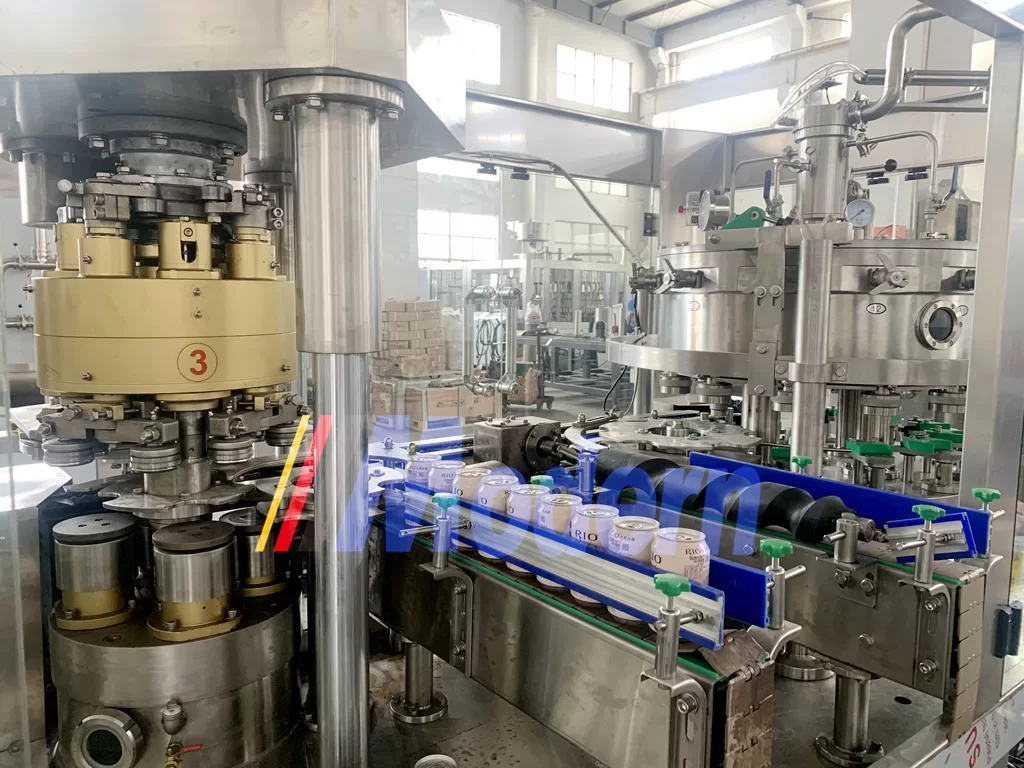
En el acelerado mundo actual, la demanda de agua potable envasada va en aumento. Este crecimiento ha impulsado a un número creciente de fabricantes a invertir en líneas de llenado de agua potable altamente eficientes. Estas líneas no solo mejoran la productividad, sino que también garantizan que el producto final cumpla con los estándares de seguridad y calidad. Este artículo ofrece un examen detallado de las líneas de llenado de agua potable, cubriendo diversos aspectos desde los principios de diseño y la eficiencia operativa hasta el mantenimiento y los protocolos de seguridad.
Comprender las líneas de llenado de agua potable
Una línea de llenado de agua potable es un sistema integrado diseñado para el procesamiento, llenado y envasado de agua embotellada. Por lo general, consta de varias etapas, que incluyen la purificación del agua, el embotellado, el tapado, el etiquetado y el empaquetado. Cada etapa desempeña un papel crucial para garantizar que el producto final sea seguro para el consumo y atractivo para los clientes.
Componentes de una línea de llenado de agua potable
Para comprender la funcionalidad de una línea de llenado de agua potable, es esencial conocer sus componentes principales:
- Sistema de tratamiento de agua: Incluye ósmosis inversa, esterilizadores UV y otros sistemas de filtración para garantizar la pureza del agua.
- Máquina embotelladora: Responsable de llenar las botellas con agua purificada. Puede manejar diferentes tamaños y formas de botellas.
- Máquina tapadora: Esta unidad sella de forma segura las botellas para evitar la contaminación.
- Máquina etiquetadora: Aplica etiquetas a las botellas, proporcionando información a los consumidores y mejorando la visibilidad de la marca.
- Sistema de envasado: Agrupa las botellas en paquetes para su distribución, minimizando los costos de manipulación.
Importancia de la eficiencia y la productividad
La eficiencia es un factor crítico para el éxito de una línea de llenado de agua potable. A medida que crece la demanda de los consumidores, los fabricantes deben optimizar sus operaciones para mantener el ritmo. Estas son algunas estrategias para mejorar la eficiencia:
1. Sistemas automatizados
La automatización desempeña un papel fundamental en el aumento del rendimiento. Las líneas de llenado automatizadas pueden reducir significativamente el error humano, aumentar la velocidad y mejorar la consistencia. Busque tecnología avanzada, como controladores lógicos programables (PLC), que puedan agilizar las operaciones y permitir ajustes preestablecidos según las distintas demandas.
2. Prácticas de mantenimiento inteligente
El mantenimiento regular es vital para evitar averías que puedan detener la producción. Implemente un enfoque de mantenimiento predictivo utilizando sensores de IoT (Internet de las cosas) para monitorear el estado de la maquinaria. Esta estrategia permite a los fabricantes abordar los problemas de forma proactiva antes de que se agraven, lo que reduce el tiempo de inactividad.
3. Capacitación y desarrollo del personal
La eficacia de una línea de llenado depende en gran medida de sus operadores. Los programas de capacitación integral pueden dotar al personal de las habilidades necesarias para operar y solucionar problemas de la maquinaria de manera eficiente. Las oportunidades de aprendizaje continuo también pueden fomentar una cultura de excelencia dentro de la fuerza laboral, lo que conduce a una mayor productividad.
Control de calidad en las líneas de llenado de agua potable
Garantizar la seguridad y la calidad del agua embotellada es primordial. Las medidas de control de calidad deben integrarse en cada etapa de la línea de llenado:
1. Análisis del agua cruda
Antes del procesamiento, es esencial analizar el agua de origen en busca de contaminantes. Los análisis regulares deben ser parte del protocolo de tratamiento de agua para garantizar que los sistemas de purificación funcionen de manera efectiva.
2. Pruebas en línea
Muchas líneas de llenado modernas incorporan equipos de prueba en línea para el monitoreo en tiempo real de la calidad del agua. Estos sistemas pueden detectar desviaciones en parámetros como el pH, la turbidez y el contenido microbiano, lo que permite tomar medidas correctivas inmediatas.
3. Seguimiento de lotes
La implementación de un sistema de seguimiento de lotes permite a los fabricantes rastrear el historial de cada botella. Esta medida de control de calidad es crucial en caso de una retirada de producto, ya que permite la identificación precisa de los lotes afectados.
Protocolos de seguridad en las líneas de llenado de agua potable
La seguridad es una prioridad absoluta en la producción de agua embotellada. Los fabricantes deben cumplir con rigurosos estándares de seguridad durante todo el proceso:
1. Capacitación en seguridad para empleados
Las sesiones de capacitación periódicas sobre protocolos de seguridad son esenciales. Los trabajadores deben estar familiarizados con el funcionamiento de los equipos, los procedimientos de emergencia y las normas de higiene para minimizar los riesgos.
2. Características de seguridad de los equipos
Invertir en maquinaria con características de seguridad integradas puede prevenir accidentes en la planta de producción. Busque funciones como botones de parada de emergencia, protecciones y sensores que detengan las operaciones si ocurre un mal funcionamiento.
3. Estándares de higiene
Mantenga prácticas de higiene rigurosas, incluida la desinfección regular de las líneas de llenado y los equipos. Garantizar un entorno limpio reduce el riesgo de contaminación y protege la salud del consumidor.
Consideraciones ambientales
A medida que crece la industria del agua embotellada, se enfrenta a un mayor escrutinio con respecto a su impacto ambiental. Los fabricantes deben adoptar prácticas sostenibles para mitigar esta preocupación:
1. Abastecimiento sostenible
El uso de materiales reciclados para el envasado no solo reduce los costos, sino que también minimiza la huella de carbono. Explore asociaciones con proveedores que prioricen los materiales de origen sostenible.
2. Estrategias de gestión de residuos
Implemente prácticas eficaces de gestión de residuos reciclando el agua utilizada durante la producción y eliminando los residuos de forma responsable. Involucre a los empleados en iniciativas de reciclaje para fomentar una cultura de sostenibilidad.
3. Eficiencia energética
Invertir en maquinaria energéticamente eficiente puede generar importantes ahorros de costes y una reducción del impacto medioambiental. Considere los avances tecnológicos que consumen menos energía, como los variadores de frecuencia (VFD).
Tendencias futuras en las líneas de llenado de agua potable
A medida que la tecnología evoluciona, la industria del llenado de agua potable está preparada para cambios transformadores. Estas son algunas tendencias que vale la pena destacar:
1. Tecnología de llenado inteligente
La integración de la IA y el aprendizaje automático para el análisis predictivo permitirá a los fabricantes optimizar los procesos de producción automáticamente. Las tecnologías de llenado inteligente pueden adaptarse en tiempo real a las variaciones de la demanda, aumentando así tanto la eficiencia como la calidad del producto.
2. Innovaciones en envases sostenibles
La investigación sobre materiales de envasado biodegradables y de origen vegetal avanza rápidamente. A medida que las preferencias de los consumidores se inclinen hacia la sostenibilidad, los fabricantes deberán adaptar sus estrategias de envasado en consecuencia.
3. Trazabilidad mejorada
La tecnología blockchain podría convertirse en una herramienta revolucionaria para garantizar la transparencia en la cadena de suministro. Desde la fuente de agua hasta el estante minorista, blockchain podría proporcionar a los consumidores información completa sobre el recorrido del producto.
Conclusión
La línea de llenado de agua potable es un componente vital del proceso de producción de agua embotellada. Al invertir en máquinas eficientes, cumplir con estrictas medidas de control de calidad, priorizar la seguridad y adoptar la sostenibilidad, los fabricantes pueden posicionarse de manera competitiva en un mercado en rápida evolución. Explorar las tendencias y los avances futuros puede mejorar aún más la eficiencia operativa y la confianza del consumidor. En última instancia, mantenerse informado y adaptable permitirá que las empresas prosperen en la floreciente industria del agua embotellada.
Al comprender los matices de las líneas de llenado de agua potable, los empresarios y fabricantes pueden tomar decisiones informadas que afectarán positivamente a sus resultados financieros y, al mismo tiempo, promoverán la salud y la seguridad públicas.


