
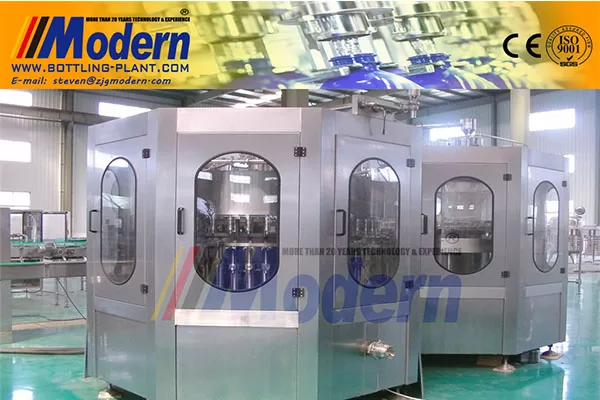
En la vertiginosa industria de bebidas actual, la eficiencia, la precisión y la fiabilidad son fundamentales. La máquina llenadora de latas para bebidas carbonatadas desempeña un papel crucial para garantizar que las bebidas gaseosas, como refrescos, bebidas energéticas y aguas con gas, se envasen de forma correcta y eficiente. Este artículo profundiza en las funcionalidades, tipos, mejores prácticas operativas y avances tecnológicos asociados a estas máquinas, convirtiéndose en una lectura esencial para fabricantes, mayoristas y cualquier persona interesada en la producción moderna de bebidas.
Comprender las máquinas llenadoras de latas para bebidas carbonatadas
Una máquina llenadora de latas para bebidas carbonatadas está diseñada específicamente para llenar latas con líquidos carbonatados minimizando la pérdida de carbonatación durante el proceso de llenado. Estas máquinas funcionan con diversos tipos de latas, ya sean de aluminio o de hojalata, y ofrecen distintos grados de automatización, desde semiautomáticas hasta totalmente automáticas. La complejidad y la tecnología de la máquina desempeñan un papel esencial a la hora de determinar la velocidad de llenado, la precisión y la capacidad de producción general.
La importancia de elegir la máquina llenadora adecuada
Invertir en la máquina llenadora de latas adecuada es una decisión crítica que puede influir en el éxito de su línea de producción. La máquina correcta puede mejorar la eficiencia, reducir los residuos y mejorar la calidad del producto final. Para elegir la máquina óptima, considere los siguientes factores:
- Capacidad de producción: Evalúe sus necesidades de producción. Las máquinas varían en sus tasas de rendimiento, que suelen oscilar entre cientos y miles de latas por hora.
- Tipo de bebida: Diferentes formulaciones pueden requerir tecnologías de llenado específicas, especialmente cuando se trata de diversos niveles de carbonatación.
- Presupuesto: Defina su presupuesto, considerando tanto la inversión inicial como los costes operativos a largo plazo.
- Consideraciones de espacio: Asegúrese de que la máquina encaje en su diseño de producción, teniendo en cuenta el espacio libre necesario para el mantenimiento y la operación.
Tipos de máquinas llenadoras de latas para bebidas carbonatadas
Las máquinas llenadoras de latas para bebidas carbonatadas pueden clasificarse en varias categorías según sus características operativas y avances tecnológicos. Comprender estas categorías puede ayudar a los fabricantes a identificar qué tipo se ajusta mejor a sus objetivos de producción.
1. Máquinas de llenado por gravedad
Las máquinas de llenado por gravedad funcionan según el principio de presión hidrostática para llenar las latas. El depósito situado específicamente sobre la zona de llenado permite que la gravedad llene las latas. Este método es especialmente ideal para bebidas de baja viscosidad y es reconocido por su simplicidad y facilidad de manejo. Sin embargo, es más susceptible a la formación de espuma y menos adecuado para líneas de producción de alta velocidad.
2. Máquinas de llenado a presión
Las máquinas de llenado a presión utilizan la presión de carbonatación para suministrar líquidos a la lata sin una pérdida significativa de carbonatación. Estas máquinas son las más adecuadas para líneas de alta velocidad y son especialmente eficaces para bebidas con mayor viscosidad y niveles de carbonatación. Esta tecnología es muy utilizada en la industria de los refrescos y la cerveza debido a su eficiencia y eficacia.
3. Máquinas de llenado volumétrico
Estas máquinas controlan la cantidad de bebida que llena cada lata mediante mediciones volumétricas. Proporcionan niveles de llenado precisos, lo cual es esencial para mantener la consistencia del producto. Aunque son más complejas de manejar que las máquinas de gravedad, los sistemas de llenado volumétrico son preferidos en aplicaciones donde la precisión de la carga es crítica.
Componentes clave de las máquinas llenadoras de latas para bebidas carbonatadas
Comprender los diversos componentes de una máquina llenadora de latas para bebidas carbonatadas puede proporcionar información sobre su mecánica operativa y cómo mantener un rendimiento óptimo. Estos son los componentes clave:
1. Válvulas de llenado
La válvula de llenado es fundamental para controlar el líquido que entra en la lata. Las válvulas deben ser muy precisas y a menudo están equipadas con mecanismos que minimizan la formación de espuma mediante caudales controlados.
2. Sistema de transporte de latas
Un sistema fiable de transporte de latas desplaza las latas vacías a su posición de forma eficiente. Estos sistemas pueden incluir cintas transportadoras que garantizan un movimiento suave sin interrupciones, minimizando el tiempo de inactividad durante el proceso de llenado.
3. Sistema de inyección de CO2
El sistema de inyección de CO2 es esencial para mantener los niveles de carbonatación. Este sistema inyecta dióxido de carbono en cada lata, creando la efervescencia deseada antes de que comience el proceso de llenado.
4. Panel de control
Las máquinas de llenado modernas vienen equipadas con paneles de control digitales que permiten una fácil supervisión y manejo de la máquina. Estos paneles pueden regular la temperatura, la presión y el volumen, haciendo que los ajustes sean sencillos para los operarios.
Mejores prácticas operativas
Para maximizar la eficiencia y la longevidad de las máquinas llenadoras de latas para bebidas carbonatadas, los operarios deben seguir varias mejores prácticas:
1. Mantenimiento regular
Establezca un programa de mantenimiento rutinario para limpiar, inspeccionar y reparar los componentes de la máquina. Un mantenimiento regular garantiza que el sistema siga funcionando de forma eficiente y minimiza los tiempos de inactividad inesperados.
2. Capacitación del personal
Una formación adecuada es vital para los operarios de la máquina. Asegúrese de que todos los miembros del personal entiendan cómo manejar la máquina, reconocer posibles problemas y llevar a cabo las tareas de mantenimiento esenciales.
3. Control de calidad
Implemente un sistema de control de calidad para supervisar de cerca el proceso de llenado. Las comprobaciones periódicas de los niveles de carbonatación, los volúmenes de llenado y la integridad de las latas ayudarán a mantener la consistencia del producto y a minimizar los residuos.
4. Adaptabilidad a los cambios
A medida que evolucionan las preferencias de los consumidores, prepárese para adaptar sus procesos de producción. Esto puede incluir la modificación de la máquina llenadora para manejar nuevas formulaciones de bebidas o formatos de envasado.
Avances tecnológicos en las máquinas llenadoras
Con el rápido avance de la tecnología, las máquinas llenadoras de latas para bebidas carbonatadas han evolucionado significativamente, ofreciendo a los fabricantes una mayor eficiencia y funcionalidad. Estas son algunas tendencias tecnológicas a tener en cuenta:
1. Automatización
Las líneas de llenado totalmente automatizadas son cada vez más populares, ya que proporcionan velocidades constantes y reducen los costes laborales. La automatización también puede ayudar a conseguir un mayor nivel de precisión en el llenado, minimizando así el sobrellenado o el llenado insuficiente.
2. Integración del IoT
El Internet de las Cosas (IoT) ha comenzado a transformar la fabricación de bebidas. Con las máquinas habilitadas para IoT, los fabricantes pueden recopilar datos en tiempo real sobre el rendimiento de la máquina, predecir fallos y agilizar las operaciones mediante el mantenimiento predictivo.
3. Eficiencia energética
Los sistemas energéticamente eficientes se están convirtiendo en un estándar en las máquinas llenadoras de latas para bebidas carbonatadas, promoviendo la sostenibilidad en la producción de bebidas. Los fabricantes se centran cada vez más en minimizar el consumo de energía manteniendo altos niveles de producción.
Conclusión
En conclusión, una máquina llenadora de latas para bebidas carbonatadas no es solo un equipo crítico en la producción de bebidas; es también un sistema complejo que requiere una cuidadosa consideración y gestión. Al comprender los diversos tipos, componentes y mejores prácticas asociados a estas máquinas, los fabricantes de bebidas pueden mejorar sus capacidades de producción e impulsar el éxito en un mercado cada vez más competitivo. Las empresas deben tener en cuenta la importancia de invertir en la tecnología adecuada y, al mismo tiempo, adoptar innovaciones que puedan conducir a una mayor eficiencia y sostenibilidad en la producción. Con el enfoque correcto, los productores de bebidas carbonatadas pueden garantizar productos de alta calidad que deleiten a los consumidores y resistan el paso del tiempo en esta dinámica industria.


