A medida que el mundo avanza hacia soluciones industriales más eficientes y automatizadas, la demanda de máquinas llenadoras de latas aumenta constantemente en diversos sectores, incluidos el de alimentos y bebidas, el farmacéutico y el químico. Estas máquinas desempeñan un papel fundamental para garantizar que los productos se llenen correctamente, se sellen eficazmente y estén listos para su distribución. Este artículo ofrece una exploración detallada de las máquinas llenadoras de latas, cubriendo sus funcionalidades, tipos, beneficios y mejores prácticas para la optimización en las líneas de producción.
Comprender las máquinas llenadoras de latas
Las máquinas llenadoras de latas están diseñadas para llenar latas con diversos líquidos y semilíquidos, desde bebidas hasta productos en conserva. Su función principal es automatizar el proceso de llenado para mejorar la eficiencia, mantener altos estándares de higiene y reducir los residuos. Dadas las diversas aplicaciones de estas máquinas, comprender sus funcionalidades específicas es imperativo para elegir el modelo adecuado para las necesidades de su negocio.
Tipos de máquinas de llenado de latas
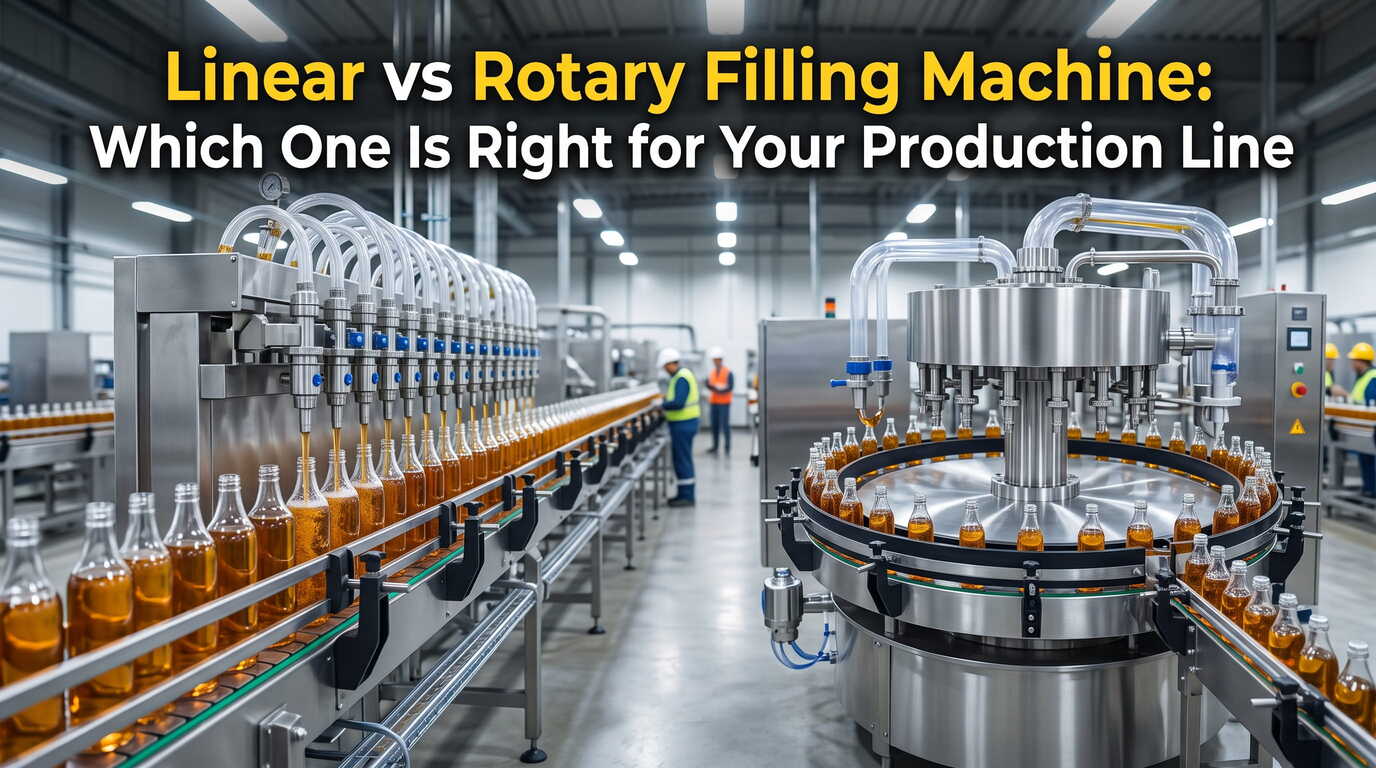
Existen varios tipos de máquinas llenadoras de latas que atienden a una amplia gama de industrias. Estas son las categorías principales:
- Llenadoras volumétricas: Estas máquinas llenan las latas hasta un volumen específico, garantizando la uniformidad entre lotes. Son ideales para productos como jugos, salsas y otros líquidos.
- Llenadoras por gravedad: Al utilizar la gravedad para el proceso de llenado, estas máquinas son adecuadas para productos con una viscosidad baja. Garantizan un caudal constante y minimizan los problemas de reflujo.
- Llenadoras de pistón: Las llenadoras de pistón son versátiles y funcionan bien con productos más espesos, como cremas y pastas. Estas máquinas utilizan un mecanismo accionado por pistón para dispensar la cantidad deseada de producto.
- Llenadoras a presión: Estas se utilizan normalmente para bebidas carbonatadas. Al mantener la presión, estas máquinas permiten el llenado de latas sin causar espuma ni derrames.
- Llenadoras de sinfín (Auger): Ideales para polvos y productos granulares, las llenadoras de sinfín utilizan un mecanismo de tornillo giratorio para llenar las latas con precisión.
Ventajas de invertir en máquinas llenadoras de latas
Invertir en máquinas llenadoras de latas puede generar numerosos beneficios para las empresas. A continuación, se presentan algunas ventajas clave que justifican esta inversión:
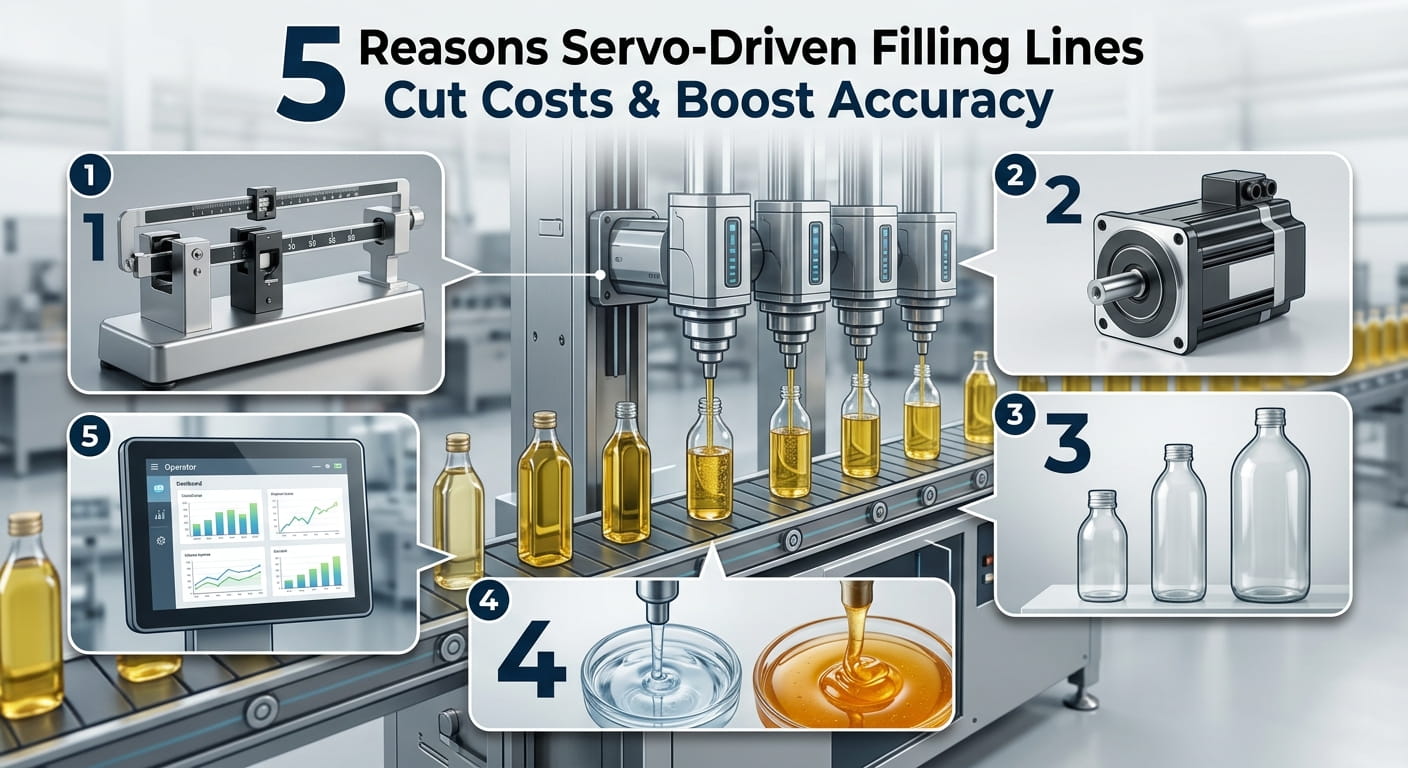
1. Mayor eficiencia
La automatización conduce a mejoras significativas en la velocidad de producción. Mientras que el llenado manual puede llevar tiempo y resultar en inconsistencias, las máquinas pueden llenar cientos o miles de latas por hora con precisión. Este aumento en la productividad se traduce directamente en ahorro de costos y una mejor gestión de los recursos.
2. Consistencia y precisión
Uno de los desafíos continuos en el enlatado es garantizar los niveles de llenado correctos. Las máquinas llenadoras de latas están diseñadas para mantener estándares de llenado exactos, lo que significa que la calidad del producto se mantiene de manera consistente en todas las tiradas de producción. Esta uniformidad es crucial para la integridad de la marca y la satisfacción del consumidor.
3. Reducción de los costos laborales
Al automatizar el proceso de llenado, las empresas pueden disminuir su dependencia de la mano de obra manual. Esto no solo reduce los costos laborales, sino que también minimiza el error humano, proporcionando un entorno de trabajo más seguro. Además, el personal puede ser redirigido a tareas de mayor valor añadido que requieren inteligencia y creatividad humana.
4. Mejora de los estándares de higiene
La higiene es primordial, especialmente en las industrias alimentaria y farmacéutica. Las máquinas llenadoras automatizadas minimizan el contacto humano con los productos, reduciendo el riesgo de contaminación. Muchas máquinas vienen con diseños fáciles de limpiar, lo que garantiza el cumplimiento de las normas de salud y seguridad.
5. Versatilidad
Las máquinas llenadoras de latas modernas se pueden ajustar para adaptarse a diferentes tamaños, formas y requisitos de llenado de latas. Esta adaptabilidad permite a los fabricantes cambiar de producto sin tiempos de inactividad significativos, lo que ayuda a la flexibilidad operativa.
Trabajar con máquinas llenadoras de latas: mejores prácticas
Para maximizar el retorno de la inversión de su máquina llenadora de latas, es esencial seguir las mejores prácticas durante su operación y mantenimiento. Aquí hay algunos pasos prácticos a considerar:
1. Mantenimiento regular
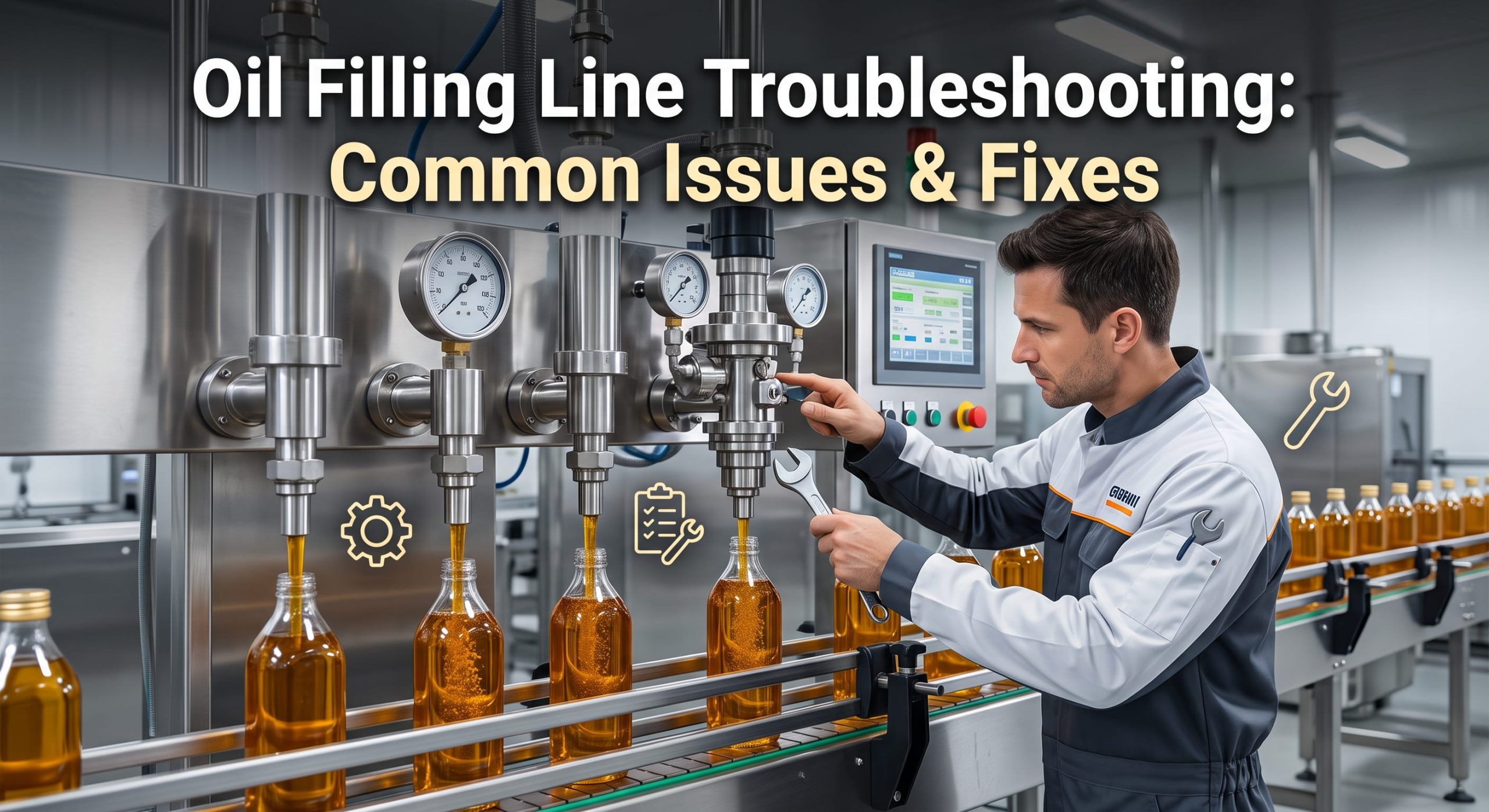
La longevidad de la máquina comienza con un mantenimiento regular. Programe revisiones constantes que incluyan limpieza, reemplazo de piezas desgastadas y realización de pruebas de rendimiento. Esto reducirá la probabilidad de averías inesperadas y garantizará que la máquina funcione a niveles óptimos.
2. Capacitación del personal
Aunque las máquinas están automatizadas, no se puede pasar por alto la formación de los operarios. Asegúrese de que todo el personal involucrado en el uso de la máquina comprenda su funcionalidad, incluidos los protocolos de resolución de problemas y seguridad. Este conocimiento no solo puede mejorar la eficiencia, sino también prevenir accidentes causados por un uso indebido.
3. Control de calidad
Implemente un sistema sólido de control de calidad que evalúe regularmente el proceso de llenado. Verifique los niveles de llenado, la integridad de la lata y cualquier signo de fuga. El aseguramiento de la calidad mantiene los productos seguros para los consumidores y mantiene la reputación de su marca.
4. Análisis de datos y ajustes
Aproveche la tecnología para analizar las velocidades de llenado, el tiempo de inactividad y otras métricas operativas. Estos datos pueden proporcionar información sobre las ineficiencias que se pueden abordar. Realice ajustes en los procesos o cronogramas basados en estos análisis para maximizar aún más la productividad.
5. Consideraciones de sostenibilidad
A medida que crece la conciencia mundial sobre los problemas ambientales, las empresas deben considerar prácticas sostenibles en sus líneas de producción. Explore la posibilidad de utilizar materiales y procesos que reduzcan los residuos. Por ejemplo, algunas máquinas permiten reducir las alturas de llenado para disminuir los materiales de embalaje mientras se mantiene la integridad del producto.
Tendencias futuras en la tecnología de llenado de latas
El panorama del llenado de latas evoluciona continuamente, con varias tendencias que probablemente darán forma al futuro de la industria:
1. Máquinas inteligentes
La integración de la tecnología IoT en las máquinas llenadoras proporciona datos y análisis en tiempo real. Las máquinas inteligentes pueden comunicarse con otros sistemas para optimizar los flujos de trabajo, anticipar las necesidades de mantenimiento y mejorar la eficiencia general.
2. Diseños centrados en la sostenibilidad
A medida que aumenta el enfoque en la sostenibilidad ambiental, los fabricantes están diseñando máquinas que utilizan menos energía y producen menos residuos. Las innovaciones como los motores energéticamente eficientes y los materiales ecológicos para la construcción de máquinas son cada vez más comunes.
3. Robótica avanzada
La incorporación de robótica avanzada en las máquinas llenadoras puede conducir a una eficiencia aún mayor. Los sistemas robóticos pueden emplearse no solo para el llenado, sino también para la manipulación y el embalaje de latas, creando una línea de producción fluida.
4. Opciones de personalización
Es probable que los desarrollos futuros mejoren las capacidades de personalización de las máquinas llenadoras de latas. Desde diseños modulares hasta actualizaciones de software, las empresas tendrán la flexibilidad de adaptar sus máquinas a requisitos de productos específicos sin invertir en equipos completamente nuevos.
Conclusión
En resumen, las máquinas llenadoras de latas son una inversión esencial para las empresas que buscan mejorar la productividad, la consistencia y la higiene en sus líneas de producción. Al comprender los tipos de máquinas disponibles, las diversas ventajas e implementar las mejores prácticas, las empresas pueden optimizar sus operaciones y responder eficazmente a las demandas del mercado. Con las tecnologías emergentes que apuntan hacia un futuro más inteligente y sostenible, la evolución continua de las máquinas llenadoras de latas está destinada a transformar la forma en que se envasan y distribuyen los productos.
A medida que las industrias se adaptan a las nuevas tendencias y necesidades de los consumidores, mantenerse informado y proactivo es clave para aprovechar todo el potencial de la tecnología de llenado de latas. La máquina adecuada, junto con un mantenimiento diligente y un compromiso con la calidad, puede proporcionar una ventaja competitiva en un mercado en constante cambio.