
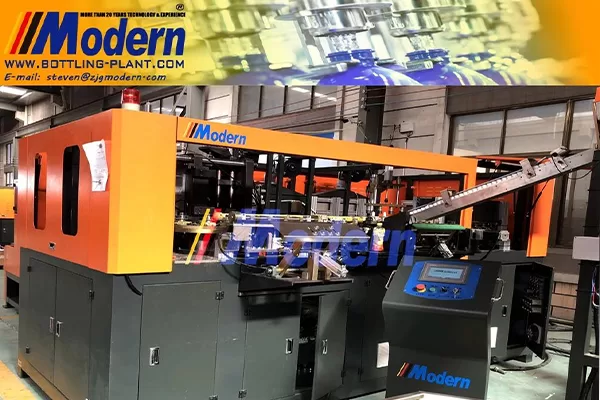
En la vertiginosa industria de bebidas actual, mantener la eficiencia y la calidad es primordial. Con la creciente demanda de diversas bebidas, desde jugos y refrescos hasta ofertas más especializadas como las leches vegetales, la necesidad de soluciones de producción eficaces es mayor que nunca. Las plantas de llenado son fundamentales en este proceso, ya que garantizan que los productos se envasen de forma rápida y segura. En este artículo, analizaremos los beneficios de las plantas de llenado en venta, exploraremos sus características y ofreceremos consejos prácticos sobre cómo elegir la planta de llenado adecuada para su operación.
Entender las plantas de llenado
Una planta de llenado es un conjunto de equipos diseñados para llenar botellas, latas y otros recipientes con productos líquidos. Estos sistemas van desde configuraciones manuales hasta líneas totalmente automatizadas, y comprenden diversas máquinas como enjuagadoras, llenadoras y dispositivos de tapado. Con el avance continuo de la tecnología, las plantas de llenado modernas ofrecen una mayor precisión, minimizando los residuos y maximizando las capacidades de producción.
La importancia de las plantas de llenado en la producción de bebidas
El panorama de la producción de bebidas ha evolucionado significativamente, lo que exige que los fabricantes se adapten a las cambiantes demandas de los consumidores y a la dinámica del mercado. Las plantas de llenado contribuyen a esta evolución a través de varias funciones clave:
1. Velocidad y eficiencia
En la industria de las bebidas, el tiempo suele equivaler a dinero. Una planta de llenado bien estructurada puede aumentar drásticamente la velocidad de producción, lo que permite a los fabricantes satisfacer las demandas del mercado con prontitud. Los sistemas de llenado automatizados, en particular, pueden operar a ritmos de cientos a miles de envases por hora. Esta mayor velocidad se traduce directamente en un mayor rendimiento y una mayor rentabilidad.
2. Control de calidad
La garantía de calidad no es negociable en la producción de bebidas. Las plantas de llenado incorporan tecnologías avanzadas, como sensores y sistemas de monitoreo, para garantizar que cada envase se llene al nivel adecuado y esté libre de contaminantes. Esto no solo protege la integridad de la marca, sino que también garantiza el cumplimiento de las normativas del sector.
3. Versatilidad para diferentes tipos de bebidas
Las plantas de llenado pueden personalizarse para adaptarse a una gran variedad de bebidas, ya sean carbonatadas o no carbonatadas, viscosas o ligeras. Esta versatilidad permite a los fabricantes diversificar su oferta de productos sin tener que invertir en sistemas de llenado independientes para cada tipo de bebida, reduciendo así los gastos de capital.
Tipos de máquinas llenadoras
Al explorar las plantas de llenado en venta, es esencial comprender los diferentes tipos de máquinas llenadoras disponibles:
1. Llenadoras por gravedad
Las llenadoras por gravedad utilizan la fuerza de la gravedad para dispensar líquido en los envases. Son ideales para líquidos ligeros y se emplean a menudo en líneas de embotellado para productos como agua y jugos ligeros. Estos sistemas son sencillos y rentables, pero pueden no ofrecer la precisión necesaria para productos más espesos.
2. Llenadoras a presión
Las máquinas de llenado a presión utilizan presión positiva para llenar los envases, lo que las hace adecuadas para bebidas carbonatadas. Garantizan que el líquido se dispense de forma uniforme y con una mínima posibilidad de formación de espuma, preservando así la calidad del producto.
3. Llenadoras al vacío
Los sistemas de llenado al vacío eliminan el aire de los envases antes del llenado, lo que resulta especialmente beneficioso para líquidos espesos y productos sensibles a la oxidación. Este método se utiliza habitualmente para salsas, jarabes y otros líquidos viscosos.
4. Llenadoras volumétricas
Estas máquinas utilizan mediciones de volumen específicas para llenar los envases con precisión. Los sistemas volumétricos son ventajosos para mantener la consistencia entre lotes y pueden utilizarse para diversos tipos de líquidos, desde jugos hasta aceites.
Factores a considerar al comprar una planta de llenado
Al considerar la compra de una planta de llenado, deben tenerse en cuenta varios factores para garantizar que el sistema satisfaga sus necesidades operativas:
1. Capacidad de producción
Evaluar la capacidad de producción esperada es crucial. Determine sus necesidades de producción actuales y futuras para seleccionar una planta de llenado que pueda crecer con su negocio. También es importante tener en cuenta las opciones de escalabilidad.
2. Tipo de producto
El producto específico que se va a llenar influirá en la elección de la tecnología de llenado. Factores como la viscosidad, el nivel de carbonatación y el tipo de envase determinarán la máquina llenadora más adecuada.
3. Flexibilidad y personalización
A medida que cambian las preferencias de los consumidores, la flexibilidad en la producción puede ser una ventaja significativa. Busque plantas de llenado que puedan reconfigurarse fácilmente para manejar diferentes productos, minimizando así el tiempo de inactividad y aumentando la productividad.
4. Nivel de automatización
Determine el nivel de automatización que necesita en función de su fuerza laboral y sus necesidades operativas. Las plantas de llenado totalmente automatizadas pueden reducir los costos de mano de obra, pero los sistemas semiautomatizados podrían adaptarse a operaciones más pequeñas o a aquellas que están en proceso de expansión.
5. Mantenimiento y soporte
Un sólido soporte posventa y un fácil acceso a las piezas de repuesto son consideraciones esenciales. Una planta de llenado es una inversión importante; por lo tanto, asociarse con proveedores que ofrezcan servicios de mantenimiento integrales puede ayudar a prolongar la vida útil de su equipo y evitar costosos tiempos de inactividad.
Maximizar su inversión
Una vez que haya seleccionado una planta de llenado, maximizar su inversión es vital. Aquí hay algunas estrategias prácticas para mejorar la eficiencia:
1. Capacitación del personal
Su fuerza laboral es fundamental para el buen funcionamiento de la planta de llenado. Los programas de capacitación regulares sobre operación, mantenimiento y resolución de problemas de los equipos empoderarán a los empleados y mejorarán la productividad.
2. Mantenimiento regular
Establezca un programa de mantenimiento riguroso para reducir el riesgo de fallas en los equipos. Las revisiones periódicas y el servicio oportuno pueden prolongar la vida útil de su planta de llenado y garantizar una calidad de producción constante.
3. Optimizar las operaciones
Revise su proceso de producción para identificar cuellos de botella. La implementación de técnicas de fabricación ajustada (lean manufacturing) puede ayudar a optimizar las operaciones, reducir los residuos y mejorar la eficiencia general.
4. Adoptar la tecnología
Manténgase al tanto de los avances tecnológicos en la industria. Las nuevas innovaciones pueden ofrecer una mejor eficiencia, mayor precisión y una mejor trazabilidad, mejorando así sus capacidades de producción generales.
Conclusión
La demanda de bebidas sigue aumentando, y las plantas de llenado desempeñan un papel crucial para satisfacer las necesidades de los consumidores de manera eficiente y eficaz. Al comprender los diferentes tipos de máquinas llenadoras disponibles, evaluar los factores antes de comprar e implementar estrategias para maximizar la inversión, los fabricantes de bebidas pueden seguir siendo competitivos en este mercado dinámico. Invertir en una planta de llenado es un movimiento estratégico que puede conducir a una mayor capacidad de producción, un mejor control de calidad y, en última instancia, una mayor rentabilidad.
En el mundo en constante evolución de la producción de bebidas, tomarse el tiempo para elegir y optimizar la planta de llenado adecuada sin duda proporcionará una base sólida para el éxito futuro.


