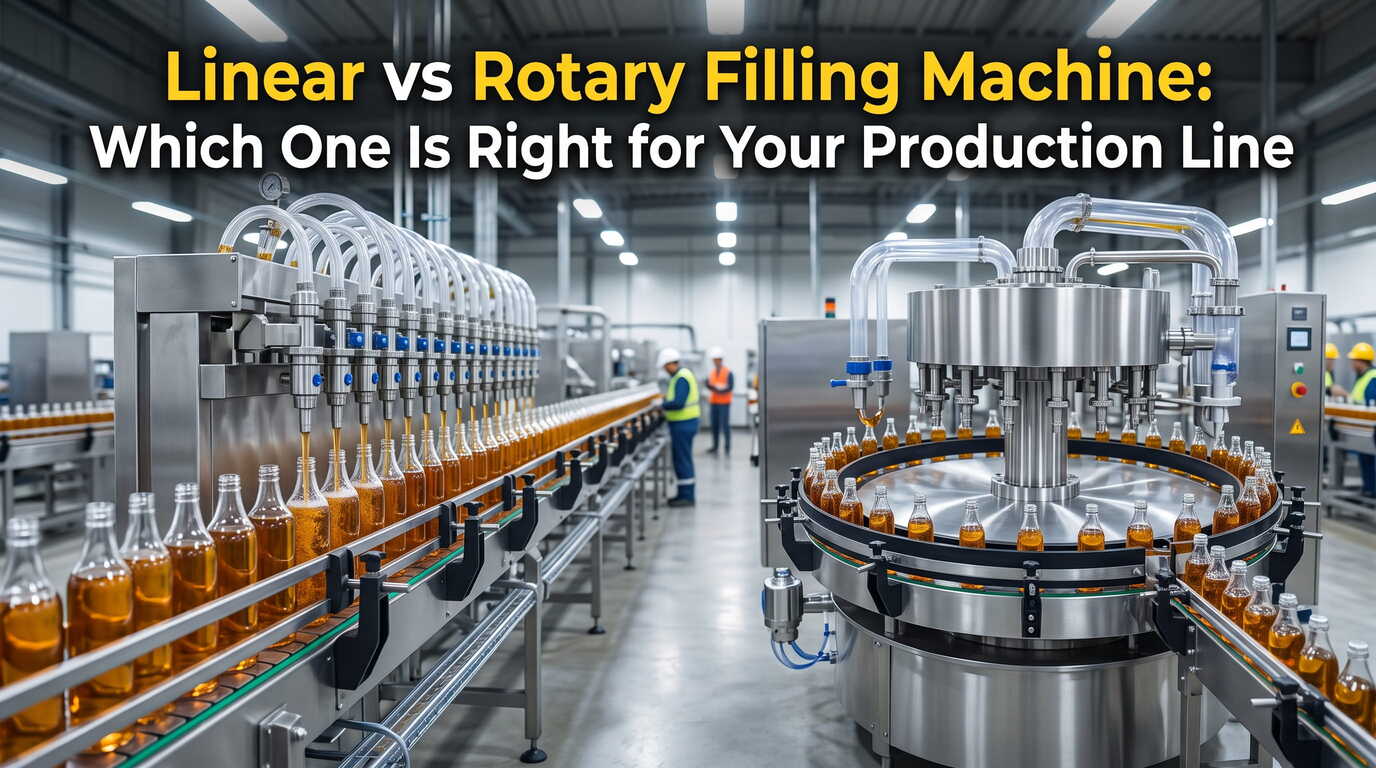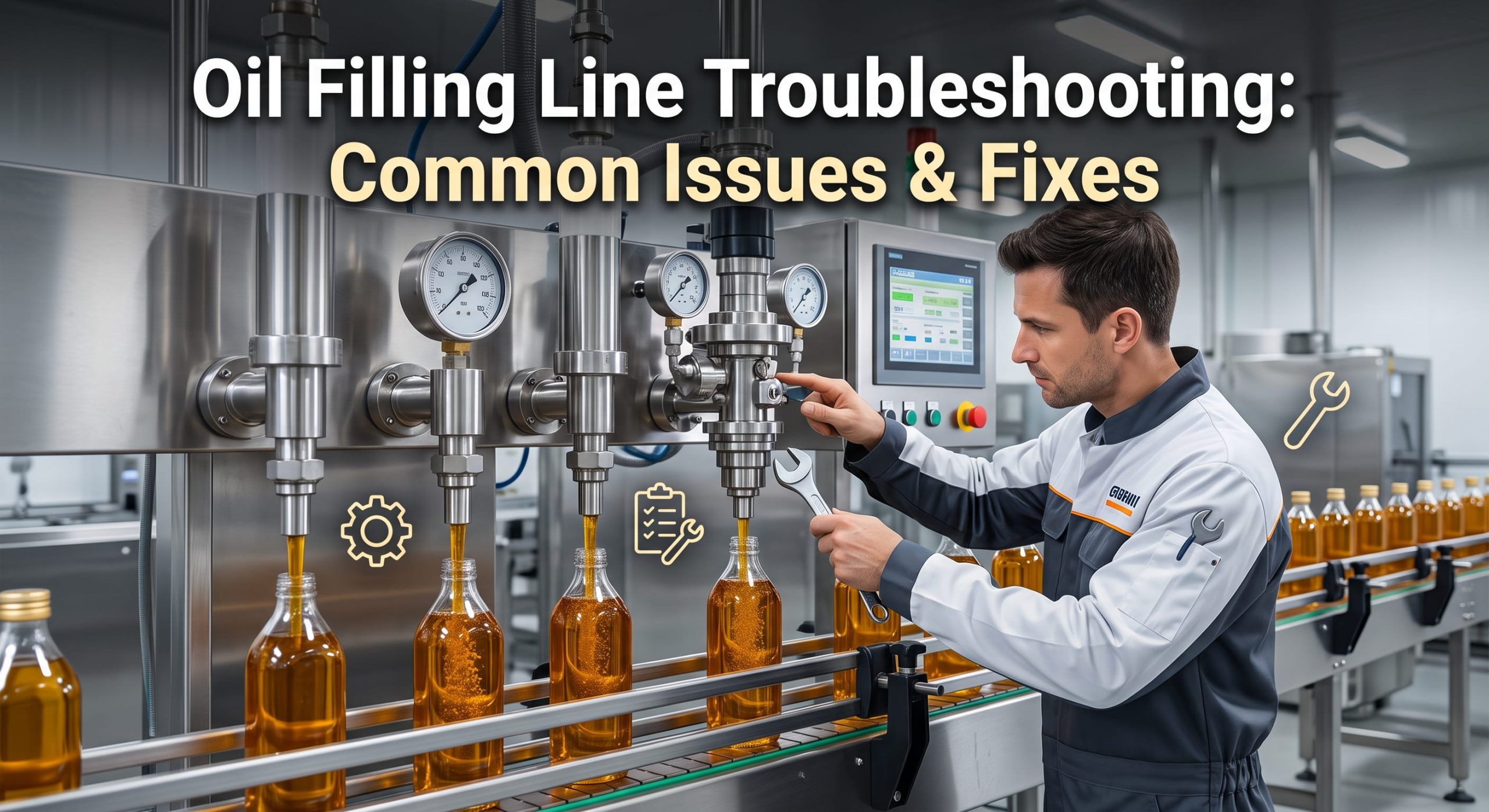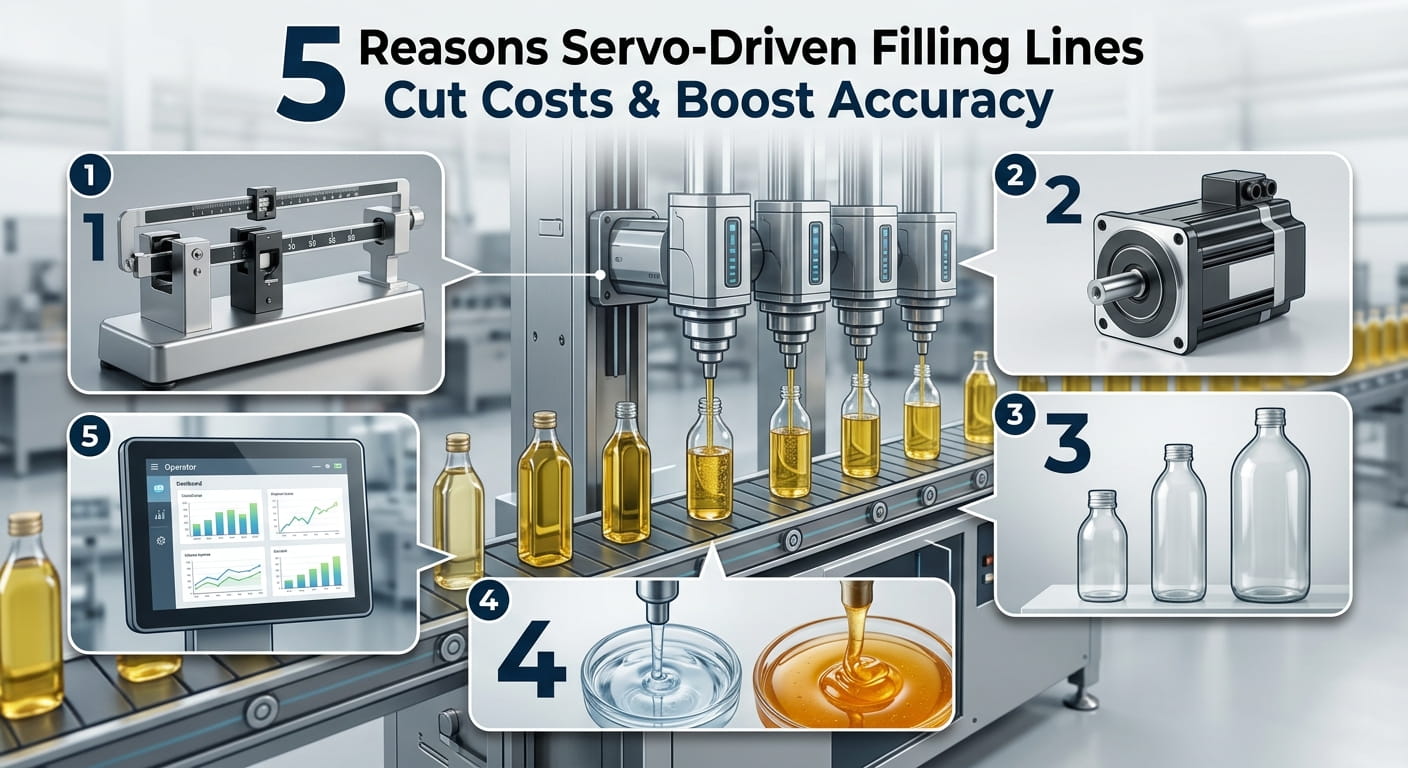
En el acelerado mundo de la fabricación, la necesidad de procesos optimizados y soluciones de producción eficientes es primordial. Los sistemas integrados de soplado, llenado y tapado de botellas han surgido como un punto de inflexión en la industria, ofreciendo una solución integral que combina múltiples funciones en un único proceso fluido. Esta tecnología innovadora no solo mejora la productividad, sino que también garantiza la calidad y la consistencia en la producción de botellas. En este artículo, profundizamos en el mundo de los sistemas integrados de soplado, llenado y tapado de botellas, explorando sus beneficios, funcionalidades y las consideraciones clave para las empresas que buscan implementar esta solución de vanguardia.
El auge de los sistemas integrados en la fabricación de botellas
Históricamente, la fabricación de botellas implicaba procesos separados para el soplado, el llenado y el tapado, cada uno de los cuales requería maquinaria diferente e intervenciones manuales. Este enfoque convencional no solo consumía mucho tiempo, sino que también era propenso a ineficiencias e inconsistencias. La llegada de los sistemas integrados de soplado, llenado y tapado de botellas revolucionó este panorama al integrar estas tres funciones cruciales en un único sistema automatizado.
Beneficios de los sistemas integrados
Una de las ventajas clave de los sistemas integrados es la mejora significativa en la eficiencia de la producción. Al combinar el soplado, el llenado y el tapado de botellas en un único proceso optimizado, los fabricantes pueden lograr mayores tasas de producción y tiempos de respuesta más rápidos. Esto no solo reduce los costes de producción, sino que también garantiza un suministro de botellas más consistente y fiable.
Además, los sistemas integrados contribuyen a un mejor control de calidad. Con todos los procesos vinculados perfectamente dentro de un único sistema, se minimiza el riesgo de errores y variaciones en la producción de botellas. Esto conduce a una mejor calidad del producto y a una mayor satisfacción del cliente.
Mejora de la flexibilidad y la adaptabilidad
Otra característica notable de los sistemas integrados de soplado, llenado y tapado de botellas es su flexibilidad y adaptabilidad. Estos sistemas pueden configurarse fácilmente para adaptarse a diferentes tamaños, formas y materiales de botellas, ofreciendo a los fabricantes la versatilidad necesaria para satisfacer las cambiantes demandas del mercado. Ya sea produciendo botellas de PET para bebidas o botellas de HDPE para productos de cuidado personal, los sistemas integrados proporcionan la agilidad necesaria para adaptarse a diversos requisitos de producción.
Además, la modularidad de los sistemas integrados permite una fácil escalabilidad. A medida que las empresas crecen y expanden sus operaciones, estos sistemas pueden actualizarse o ampliarse para aumentar la capacidad de producción sin interrupciones significativas en los procesos existentes.
Consideraciones clave para la implementación de sistemas integrados
1. Comprender sus necesidades de producción
Antes de implementar un sistema integrado de soplado, llenado y tapado de botellas, es esencial realizar una evaluación exhaustiva de sus requisitos de producción. Evalúe factores como el volumen de botellas, el volumen de producción y las especificaciones del producto para determinar la configuración del sistema más adecuada para su negocio.
2. Seleccionar el socio tecnológico adecuado
Elegir el socio tecnológico adecuado es crucial para la implementación exitosa de sistemas integrados. Busque un proveedor de confianza con un historial probado en soluciones de automatización de fabricación. Colabore estrechamente con su socio tecnológico para personalizar el sistema de acuerdo con sus necesidades y requisitos específicos.
3. Formación y apoyo al personal
Invierta en programas de formación integral para su personal a fin de garantizar que sean competentes en el funcionamiento y mantenimiento del sistema integrado. El mantenimiento regular y el soporte técnico son esenciales para maximizar el rendimiento del sistema y minimizar el tiempo de inactividad.
4. Cumplimiento y normativas
Asegúrese de que el sistema integrado de soplado, llenado y tapado de botellas cumpla con las normas y reglamentos pertinentes de la industria. Cumplir con las directrices de calidad y seguridad es fundamental para salvaguardar la integridad del producto y la confianza del consumidor.
Conclusión
Los sistemas integrados de soplado, llenado y tapado de botellas representan un avance significativo en la tecnología de fabricación de botellas, ofreciendo un enfoque holístico para la eficiencia de la producción, el control de calidad y la flexibilidad. Al integrar estas funciones esenciales en un único sistema automatizado, las empresas pueden optimizar sus operaciones, reducir costes y mejorar la calidad del producto. A medida que la industria continúa evolucionando, adoptar sistemas integrados será clave para seguir siendo competitivo y satisfacer las demandas dinámicas del mercado.