
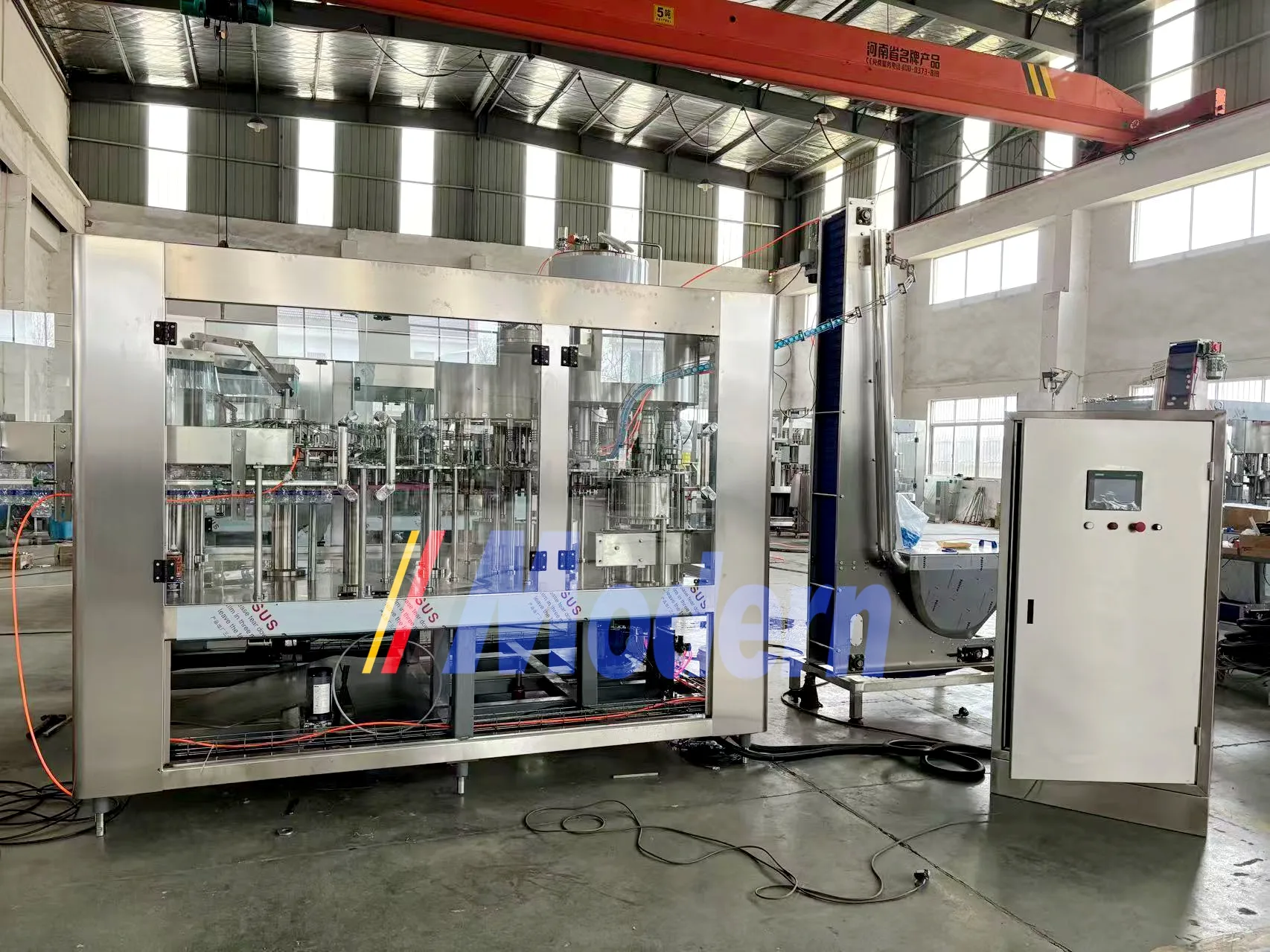
Garantizar la calidad y seguridad del agua utilizada en la producción de bebidas es fundamental para mantener la consistencia del producto y cumplir con las normas reglamentarias. Seleccionar el equipo de filtración de agua adecuado para las líneas de bebidas es un paso crítico en este proceso. Con una gran variedad de opciones disponibles en el mercado, elegir el equipo más adecuado requiere una cuidadosa consideración de factores como la calidad del agua, el volumen de producción, los requisitos de instalación y las necesidades de mantenimiento.
La importancia de la filtración de agua en la producción de bebidas
El agua sirve como ingrediente principal en la mayoría de las bebidas, constituyendo una parte significativa del producto final. La calidad del agua utilizada afecta directamente el sabor, la apariencia y la calidad general de la bebida. Los contaminantes como sedimentos, productos químicos, bacterias y otras impurezas pueden afectar el perfil de sabor y la vida útil del producto. Una filtración de agua adecuada es esencial para eliminar estas impurezas y garantizar un producto final consistente y de alta calidad.
Opciones de filtración para líneas de bebidas
Al seleccionar equipos de filtración de agua para líneas de bebidas, es esencial comprender las diferentes opciones de filtración disponibles. Los tipos comunes de sistemas de filtración incluyen:
1. Filtración de sedimentos
La filtración de sedimentos está diseñada para eliminar partículas como arena, limo y óxido del agua. Este tipo de filtración es esencial para evitar obstrucciones en los equipos y mantener la claridad del producto.
2. Filtración de carbono
Los filtros de carbono son eficaces para eliminar el cloro, los olores y los contaminantes orgánicos del agua. Este tipo de filtración es crucial para mejorar el sabor y eliminar sabores indeseables de las bebidas.
3. Ósmosis inversa
Los sistemas de ósmosis inversa utilizan una membrana semipermeable para eliminar sólidos disueltos, bacterias y otros contaminantes del agua. Esta tecnología es ideal para producir agua de alta pureza para formulaciones de bebidas sensibles.
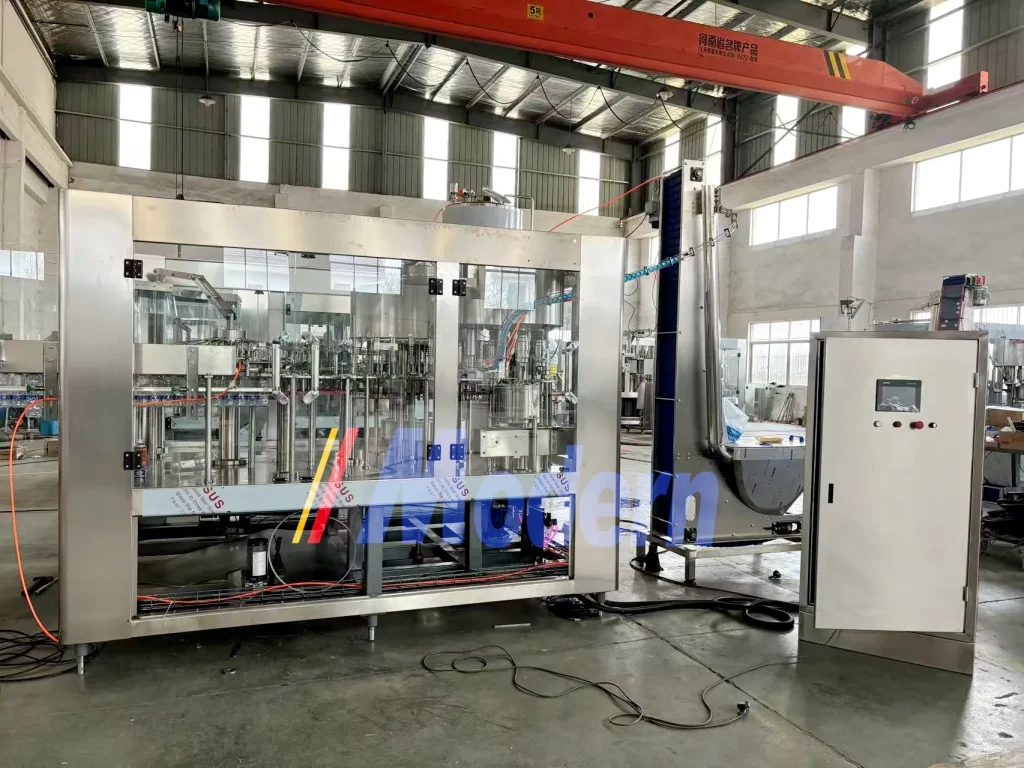
Factores a considerar al seleccionar equipos de filtración de agua
Al elegir equipos de filtración de agua para líneas de bebidas, se deben tener en cuenta varios factores clave:
1. Calidad del agua
Evalúe la calidad del suministro de agua entrante para determinar el nivel de filtración requerido. Realice pruebas de agua para identificar los contaminantes específicos que deben eliminarse.
2. Volumen de producción
Determine el caudal de agua y el volumen de producción para seleccionar un sistema de filtración que pueda satisfacer las demandas de su línea de producción de bebidas.
3. Requisitos de instalación
Considere el espacio disponible para instalar el equipo de filtración y asegure la compatibilidad con los sistemas de plomería existentes.
4. Necesidades de mantenimiento
Elija un sistema de filtración que sea fácil de mantener y que tenga piezas de repuesto fácilmente disponibles para minimizar el tiempo de inactividad.
Mejores prácticas para el mantenimiento del sistema de filtración de agua
El mantenimiento adecuado es vital para garantizar el rendimiento y la eficiencia a largo plazo de los equipos de filtración de agua. Siga estas mejores prácticas para mantener su sistema funcionando sin problemas:
1. Reemplazo regular de filtros
Reemplace los filtros en los intervalos recomendados para evitar obstrucciones y garantizar una eficiencia de filtración óptima.
2. Monitoreo de la calidad del agua
Pruebe regularmente el suministro de agua y monitoree la calidad del agua filtrada para asegurarse de que el sistema esté eliminando los contaminantes de manera efectiva.
3. Limpieza y desinfección
Limpie y desinfecte periódicamente el equipo de filtración para evitar el crecimiento bacteriano y mantener la integridad del producto.
4. Mantenimiento profesional
Considere programar revisiones de mantenimiento de rutina por parte de un técnico calificado para identificar cualquier problema potencial y garantizar un rendimiento óptimo del sistema.
Elegir el equipo de filtración de agua adecuado
Al considerar factores como la calidad del agua, el volumen de producción, los requisitos de instalación y las necesidades de mantenimiento, puede seleccionar con confianza el equipo de filtración de agua adecuado para sus líneas de bebidas. Invertir en sistemas de filtración de alta calidad no solo mejorará la calidad de sus productos, sino que también mejorará la eficiencia y la sostenibilidad general de su proceso de producción.
Recuerde, la calidad del agua afecta directamente la calidad de sus bebidas. Elija sabiamente para lograr resultados consistentes y superiores en su producción de bebidas.


