
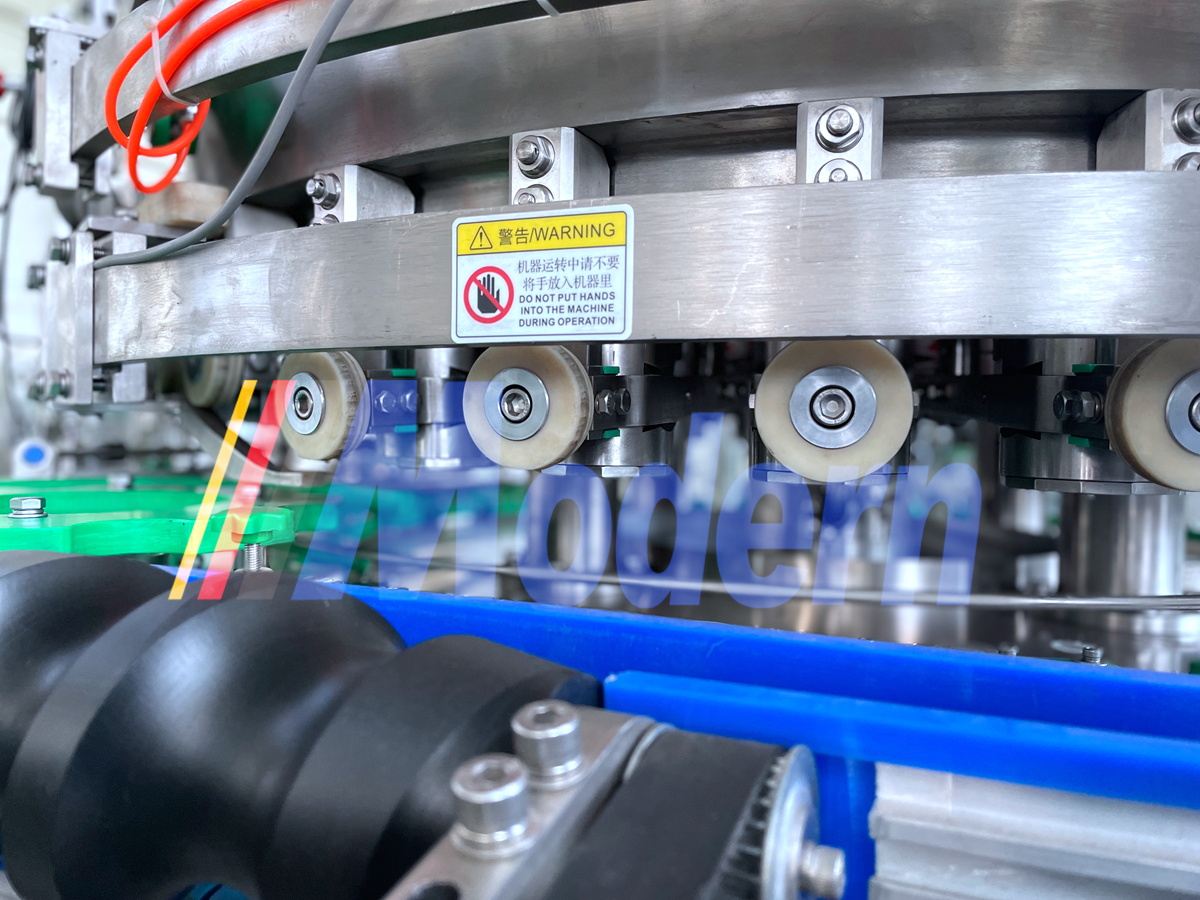
Las bebidas carbonatadas son populares en todo el mundo, con un vasto mercado que exige calidad y consistencia en cada botella o lata. La espuma y los derrames durante el proceso de llenado no solo pueden provocar el desperdicio del producto, sino también afectar la eficiencia general de las líneas de producción. En este artículo, exploraremos estrategias efectivas para reducir la espuma y los derrames en el llenado de bebidas carbonatadas, garantizando operaciones más fluidas y una mayor calidad del producto.
La ciencia detrás de la formación de espuma en las bebidas carbonatadas
Comprender la ciencia detrás de la formación de espuma en las bebidas carbonatadas es crucial para abordar el problema de manera efectiva. Cuando las bebidas carbonatadas se exponen a la agitación o a cambios de presión, el dióxido de carbono se libera del líquido, lo que provoca la formación de espuma. Factores como la temperatura, la presión y las propiedades físicas del líquido pueden influir en el grado de formación de espuma.
Optimización de los equipos y procesos de llenado
Una de las estrategias clave para reducir la espuma y los derrames es optimizar los equipos y procesos de llenado. Aquí hay algunos pasos prácticos a considerar:
1. Calibración y mantenimiento adecuados
Asegúrese de que el equipo de llenado esté correctamente calibrado y bien mantenido para evitar fugas, llenado desigual y formación excesiva de espuma. Los programas de mantenimiento y las revisiones periódicas pueden ayudar a identificar y solucionar los problemas rápidamente.
2. Control de presión y temperatura
Mantenga una presión y temperatura constantes durante todo el proceso de llenado para minimizar la formación de espuma. Los reguladores de presión y los sistemas de control de temperatura pueden ayudar a lograr un control más preciso sobre estas variables.
Consideraciones sobre ingredientes y formulación
Otra dimensión a considerar para reducir la espuma y los derrames es la composición de la propia bebida carbonatada. Los ingredientes y las formulaciones pueden afectar significativamente el comportamiento de la espuma. Aquí le mostramos cómo puede optimizar este aspecto:
1. Uso de agentes antiespumantes
Se pueden añadir agentes antiespumantes a las formulaciones de bebidas carbonatadas para reducir la formación de espuma. Estos agentes actúan desestabilizando las estructuras de espuma, lo que conduce a una disipación más rápida y a menos derrames durante el llenado.
2. Ajuste de los niveles de carbonatación
Optimizar los niveles de carbonatación de la bebida también puede ayudar a minimizar la formación de espuma. Ajustar el proceso de carbonatación en función de la receta específica de la bebida puede conducir a operaciones de llenado más fluidas.
Capacitación de los operadores y control de calidad
Garantizar que los operadores estén bien capacitados y sigan las mejores prácticas es esencial para reducir la espuma y los derrames durante el llenado. Las medidas de control de calidad también pueden ayudar a identificar y rectificar problemas antes de que afecten la producción. Aquí hay algunos consejos:
1. Técnicas de manipulación adecuadas
Capacite a los operadores sobre la manipulación adecuada del equipo de llenado y la importancia de mantener un proceso de llenado constante y controlado. Minimizar los movimientos bruscos y los golpes puede ayudar a reducir la formación de espuma.
2. Implementación de controles de calidad
Los controles de calidad regulares durante el proceso de llenado pueden ayudar a detectar problemas desde el principio. Monitorear los niveles de espuma, los niveles de llenado y la consistencia del producto puede garantizar que cada botella o lata cumpla con los estándares de calidad antes del envasado.
Conclusión
Reducir la espuma y los derrames en el llenado de bebidas carbonatadas es una tarea multifacética que requiere una combinación de optimización de equipos, ajustes de formulación, capacitación de operadores y medidas de control de calidad. Al implementar las estrategias descritas en este artículo, los fabricantes de bebidas pueden mejorar la eficiencia de la producción, reducir el desperdicio de producto y entregar bebidas carbonatadas de alta calidad a los consumidores de todo el mundo.


