
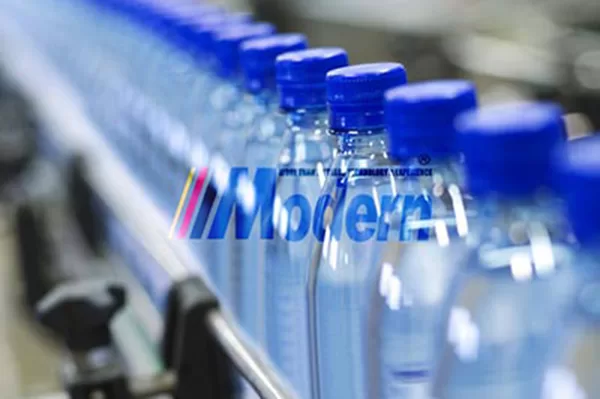
En el ámbito de la fabricación moderna, la integración fluida de las líneas de llenado, soplado, etiquetado y envasado es crucial para mejorar la eficiencia, reducir el tiempo de inactividad y garantizar la calidad del producto. Este proceso colaborativo implica la sincronización de varias etapas de la producción para crear un sistema bien engrasado que entregue los productos al mercado de manera eficiente y oportuna. En este artículo, profundizamos en las consideraciones clave y las mejores prácticas para integrar estos procesos de fabricación esenciales.
La importancia de la integración
La integración de las líneas de llenado, soplado, etiquetado y envasado agiliza el proceso de producción, minimiza la intervención manual y reduce las posibilidades de error. Al conectar estas etapas, los fabricantes pueden lograr un mayor nivel de automatización, consistencia y control de calidad. Este enfoque integral no solo optimiza el flujo de trabajo, sino que también acelera el tiempo de comercialización, lo que otorga a las empresas una ventaja competitiva en el acelerado panorama de fabricación actual.
Componentes clave de la integración
La integración de las líneas de llenado, soplado, etiquetado y envasado implica una cuidadosa orquestación de varios componentes:
1. Sistemas de llenado
Los sistemas de llenado eficientes desempeñan un papel vital en el mantenimiento de la velocidad y la precisión de la producción. Ya sea para llenado de líquidos, polvos o sólidos, invierta en equipos de precisión que garanticen niveles de llenado consistentes y un desperdicio mínimo. La integración con los procesos anteriores y posteriores es fundamental para mantener un flujo continuo de materiales.
2. Soplado y moldeo
Los procesos de soplado y moldeo son esenciales para producir materiales de envasado como botellas, recipientes y frascos. Asegúrese de que su equipo de soplado y moldeo esté perfectamente integrado con los procesos de llenado y etiquetado para eliminar cuellos de botella y maximizar la producción. El control de calidad constante es clave en esta etapa para evitar defectos en el producto final.
3. Sistemas de etiquetado
El etiquetado no es solo una cuestión de estética; también contiene información crucial sobre el producto y la marca. Los sistemas de etiquetado integrados deben ser capaces de manejar varios formatos de etiquetas, garantizando una colocación y adhesión precisas. La comunicación en tiempo real entre las etapas de etiquetado y envasado es esencial para evitar retrasos y errores.
4. Líneas de envasado
La etapa final del proceso de producción, las líneas de envasado, requiere una coordinación eficiente con las etapas anteriores para garantizar una transición fluida y la integridad del envase. La automatización en el envasado, como el encajado y el paletizado, mejora la velocidad, la precisión y reduce la manipulación manual, optimizando así la eficiencia general.
Mejores prácticas para la integración
La integración exitosa de las líneas de llenado, soplado, etiquetado y envasado requiere un enfoque estratégico y el cumplimiento de las mejores prácticas:
1. Invierta en sistemas modulares
Opte por equipos modulares que permitan una fácil integración y escalabilidad. Este enfoque le permite adaptarse a los requisitos de producción cambiantes e incorporar nuevas tecnologías sin problemas.
2. Implemente protocolos de intercambio de datos
Utilice protocolos de intercambio de datos estándar como OPC-UA para facilitar una comunicación fluida entre diferentes máquinas y sistemas. Esta interoperabilidad mejora el monitoreo en tiempo real, el mantenimiento predictivo y la optimización del rendimiento.
3. Asegure la colaboración interfuncional
Promueva la colaboración entre los equipos de ingeniería, producción, control de calidad y mantenimiento para abordar los desafíos de integración de manera efectiva. El trabajo en equipo interfuncional fomenta la innovación, la resolución de problemas y la mejora continua.
Desafíos y soluciones
La integración de las líneas de llenado, soplado, etiquetado y envasado puede plantear ciertos desafíos, como problemas de compatibilidad de equipos, cuellos de botella en la línea de producción y errores de sincronización de datos. Aborde estos desafíos mediante:
1. Realización de pruebas exhaustivas
Priorice las pruebas y la validación exhaustivas de los sistemas integrados para identificar y rectificar posibles problemas antes de la producción a gran escala. Simule varios escenarios para garantizar un funcionamiento sin problemas en diferentes condiciones.
2. Optimice los procesos de cambio de formato
Minimice el tiempo de inactividad durante los cambios de formato implementando procedimientos eficientes y utilizando componentes estandarizados en las diferentes líneas de producción. Las capacidades de cambio rápido mejoran la flexibilidad y el tiempo de actividad de la producción.
Conclusión
La integración de las líneas de llenado, soplado, etiquetado y envasado es un paso transformador en la fabricación moderna que mejora la eficiencia operativa, la calidad del producto y la competitividad en el mercado. Al adoptar un enfoque sistemático, invertir en tecnologías avanzadas y fomentar una cultura de colaboración, los fabricantes pueden lograr una integración perfecta y desbloquear una mayor productividad y rentabilidad en sus procesos de producción.


