
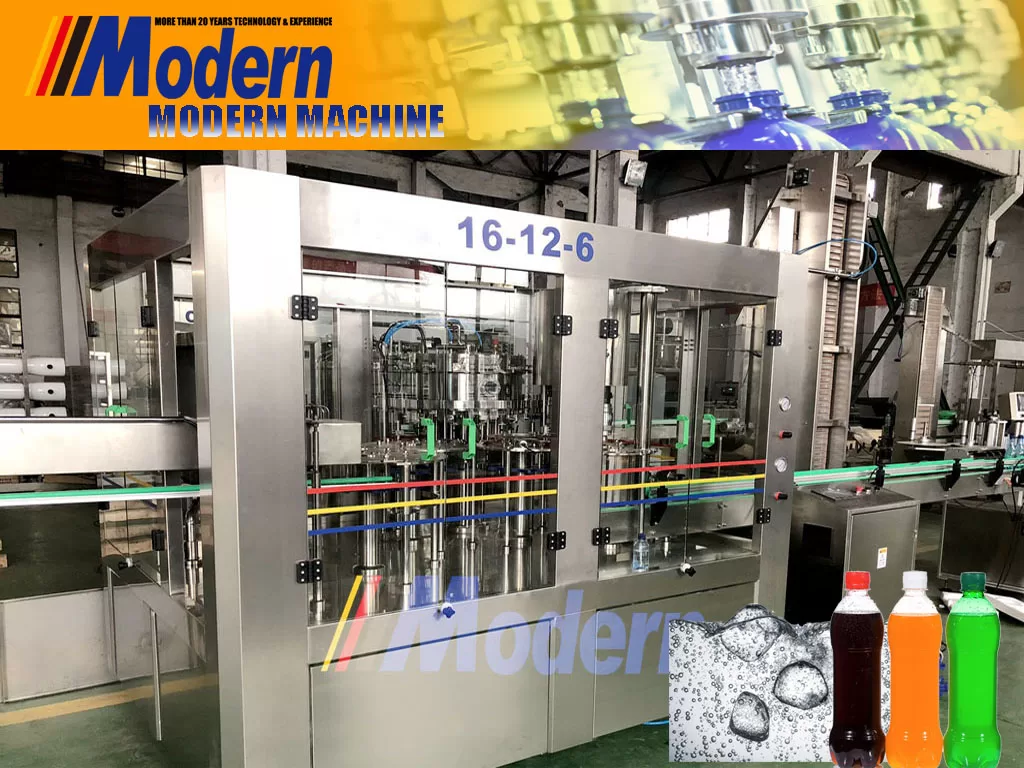
Importar máquinas llenadoras de bebidas desde China puede ser una solución práctica y rentable para las empresas que buscan ampliar su capacidad de producción. Sin embargo, el proceso puede ser complejo y desalentador para quienes no están familiarizados con el comercio internacional. En esta guía paso a paso, describiremos las consideraciones clave y proporcionaremos consejos prácticos para ayudarle a navegar el proceso de importación con éxito.
Investigación y planificación
Antes de lanzarse a importar máquinas llenadoras de bebidas desde China, es fundamental realizar una investigación y una planificación exhaustivas. Estos son algunos pasos esenciales a considerar:
1. Defina sus requisitos
Describa claramente las especificaciones y los requisitos de las máquinas llenadoras de bebidas que necesita. Considere factores como la capacidad de producción, el tamaño de la máquina, la velocidad y la compatibilidad con su línea de producción existente.
2. Investigue a los proveedores
Busque proveedores de confianza en China con un historial de fabricación de máquinas llenadoras de bebidas de alta calidad. Utilice plataformas en línea, directorios industriales y ferias comerciales para identificar posibles proveedores.
3. Verifique las credenciales del proveedor
Antes de comprometerse con un proveedor, verifique sus credenciales, como el registro comercial, las certificaciones de fabricación y la experiencia en exportación. Solicite muestras o visite sus instalaciones si es posible para evaluar sus capacidades.
Cumplimiento legal y normativo
Garantizar el cumplimiento de las regulaciones y requisitos de importación es primordial al importar máquinas llenadoras de bebidas desde China. Esto es lo que debe considerar:
1. Obtenga los permisos necesarios
Investigue y obtenga los permisos, licencias y certificaciones de importación necesarios para las máquinas llenadoras de bebidas. Consulte con las autoridades aduaneras para comprender los requisitos específicos para la importación de maquinaria.
2. Cumpla con los estándares del producto
Verifique que las máquinas llenadoras de bebidas cumplan con los estándares de seguridad y calidad de su país. Considere contratar a una agencia de inspección externa para garantizar el cumplimiento de los estándares internacionales.
3. Comprenda los aranceles y derechos
Calcule los aranceles y derechos aplicables a la importación de máquinas llenadoras de bebidas desde China. Consulte con las autoridades aduaneras o con un agente de aduanas para determinar las tasas arancelarias y la elegibilidad para cualquier acuerdo comercial preferencial.
Logística y envío
Una logística y un envío eficientes son esenciales para garantizar la entrega oportuna y rentable de las máquinas llenadoras de bebidas. Considere las siguientes cuestiones logísticas:
1. Elija el método de envío correcto
Seleccione un método de envío adecuado en función de factores como el costo, el tiempo de tránsito y el tamaño de las máquinas. Las opciones incluyen transporte marítimo, transporte aéreo o una combinación de ambos.
2. Embalaje y manipulación
Asegúrese de que las máquinas llenadoras de bebidas estén embaladas de forma segura para evitar daños durante el tránsito. Trabaje con el proveedor para utilizar materiales de embalaje y etiquetado adecuados para el despacho de aduanas.
3. Despacho de aduanas
Prepare la documentación necesaria para el despacho de aduanas, incluida la factura comercial, la lista de empaque, el conocimiento de embarque y cualquier certificado de cumplimiento. Considere contratar a un agente de aduanas para agilizar el proceso de despacho.
Control de calidad y pruebas
Priorice el control de calidad y las pruebas para asegurarse de que las máquinas llenadoras de bebidas cumplan con sus especificaciones y estándares. Estos son algunos pasos clave a seguir:
1. Inspección previa al envío
Organice una inspección previa al envío para verificar la calidad y funcionalidad de las máquinas llenadoras de bebidas antes de que sean enviadas. Inspeccione los componentes clave, el rendimiento y el cumplimiento de las especificaciones.
2. Pruebas de aceptación en fábrica
Considere realizar una prueba de aceptación en fábrica (FAT, por sus siglas en inglés) en las instalaciones del proveedor para validar el rendimiento y la funcionalidad de las máquinas. Esto puede ayudar a identificar cualquier problema antes del envío.
3. Instalación y capacitación en el sitio
Planifique la instalación y la capacitación en el sitio cuando lleguen las máquinas llenadoras de bebidas. Asegúrese de que su equipo esté capacitado en el funcionamiento y mantenimiento de las máquinas para maximizar la eficiencia y la productividad.
Soporte posventa
Establecer una relación con el proveedor para el soporte posventa es crucial para el mantenimiento y la asistencia continuos. Considere los siguientes pasos:
1. Garantía y acuerdos de servicio
Negocie los términos de garantía y los acuerdos de servicio con el proveedor para cubrir el mantenimiento, las reparaciones y el soporte técnico de las máquinas llenadoras de bebidas. Aclare los términos y los tiempos de respuesta para las solicitudes de servicio.
2. Disponibilidad de repuestos
Asegúrese de que el proveedor proporcione acceso a repuestos y componentes para las máquinas llenadoras de bebidas. Mantenga un inventario de repuestos críticos para minimizar el tiempo de inactividad en caso de averías de la máquina.
3. Comentarios y mejora continua
Proporcione comentarios al proveedor sobre el rendimiento de las máquinas llenadoras de bebidas y sugiera áreas de mejora. Colabore en iniciativas de mejora continua para aumentar la eficiencia y la fiabilidad de la máquina.
Conclusión
La importación de máquinas llenadoras de bebidas desde China requiere una planificación cuidadosa, atención al detalle y el cumplimiento de las normas legales y de calidad. Siguiendo esta guía paso a paso, las empresas pueden optimizar el proceso de importación, mitigar riesgos y asegurar la integración exitosa de nueva maquinaria en sus operaciones de producción.
Recuerde mantenerse siempre informado sobre las últimas regulaciones y novedades del sector para mantener una ventaja competitiva en la industria de fabricación de bebidas.


