
Cuando se trata de optimizar la eficiencia de una línea de producción de bebidas, comprender la capacidad de una máquina llenadora es crucial. Al calcular esta capacidad con precisión, los fabricantes pueden optimizar las operaciones, aumentar la producción y reducir los tiempos de inactividad. En esta guía completa, profundizamos en los factores clave que influyen en la capacidad de una máquina llenadora de bebidas y cómo calcularla de manera efectiva.
1. Comprender los conceptos básicos
Antes de sumergirse en el proceso de cálculo, es esencial comprender los componentes fundamentales que contribuyen a la capacidad de una máquina:
- Entrada volumétrica: Esto se refiere al volumen de líquido que una máquina llenadora puede procesar en un período de tiempo determinado.
- Rendimiento: La velocidad a la que la máquina puede llenar los envases, generalmente medida en unidades por hora.
- Eficiencia: El porcentaje de tiempo que la máquina está llenando envases activamente en comparación con el tiempo en reposo o en mantenimiento.
2. Factores que influyen en la capacidad
Varios factores afectan la capacidad general de una máquina llenadora de bebidas:
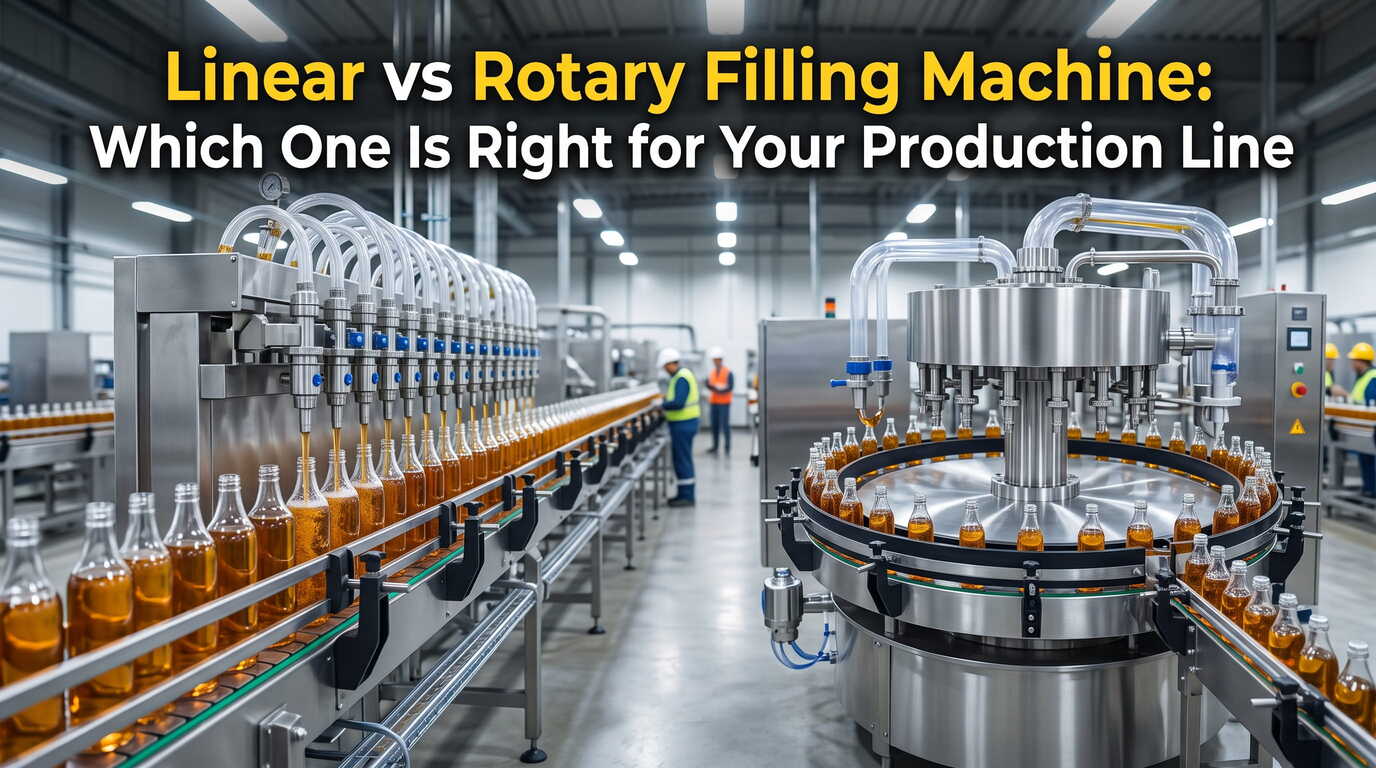
- Tipo de máquina: Los diferentes tipos de máquinas llenadoras, como las llenadoras por gravedad, por presión o al vacío, tienen capacidades variables según sus mecanismos.
- Tamaño y forma del envase: Las dimensiones y el diseño de los envases que se llenan afectan la velocidad y la eficiencia de la máquina.
- Viscosidad del producto: Los líquidos más espesos requieren más tiempo para llenarse en comparación con los más ligeros, lo que afecta la producción general.
- Mantenimiento y tiempo de inactividad: Los programas de mantenimiento regulares y el tiempo de inactividad mínimo garantizan un rendimiento óptimo de la máquina y niveles de capacidad sostenidos.
3. Cálculo de la capacidad de la máquina
Para determinar la capacidad de una máquina llenadora de bebidas, siga estos pasos:
Paso 1: Definir los parámetros clave
Identifique la entrada volumétrica (VI), el rendimiento (TP) y el factor de eficiencia (EF) según las especificaciones de la máquina y los datos de producción.
Paso 2: Calcular la producción ideal
Multiplique la entrada volumétrica por el rendimiento:
Producción ideal = Entrada volumétrica (VI) * Rendimiento (TP)
Paso 3: Ajustar por eficiencia
Tenga en cuenta el factor de eficiencia para determinar la capacidad práctica de la máquina:
Capacidad = Producción ideal / Factor de eficiencia (EF)
4. Optimización de la capacidad
Para maximizar la capacidad de una máquina llenadora de bebidas, considere implementar las siguientes estrategias:
- Mantenimiento regular: Realice el mantenimiento de la máquina de acuerdo con las pautas del fabricante para evitar tiempos de inactividad y garantizar niveles de producción constantes.
- Mejoras de eficiencia: Identifique los cuellos de botella en la línea de producción y optimice los procesos para mejorar la eficiencia general.
- Capacitación del personal: Proporcione una capacitación integral a los operadores para minimizar los errores y optimizar el rendimiento de la máquina.
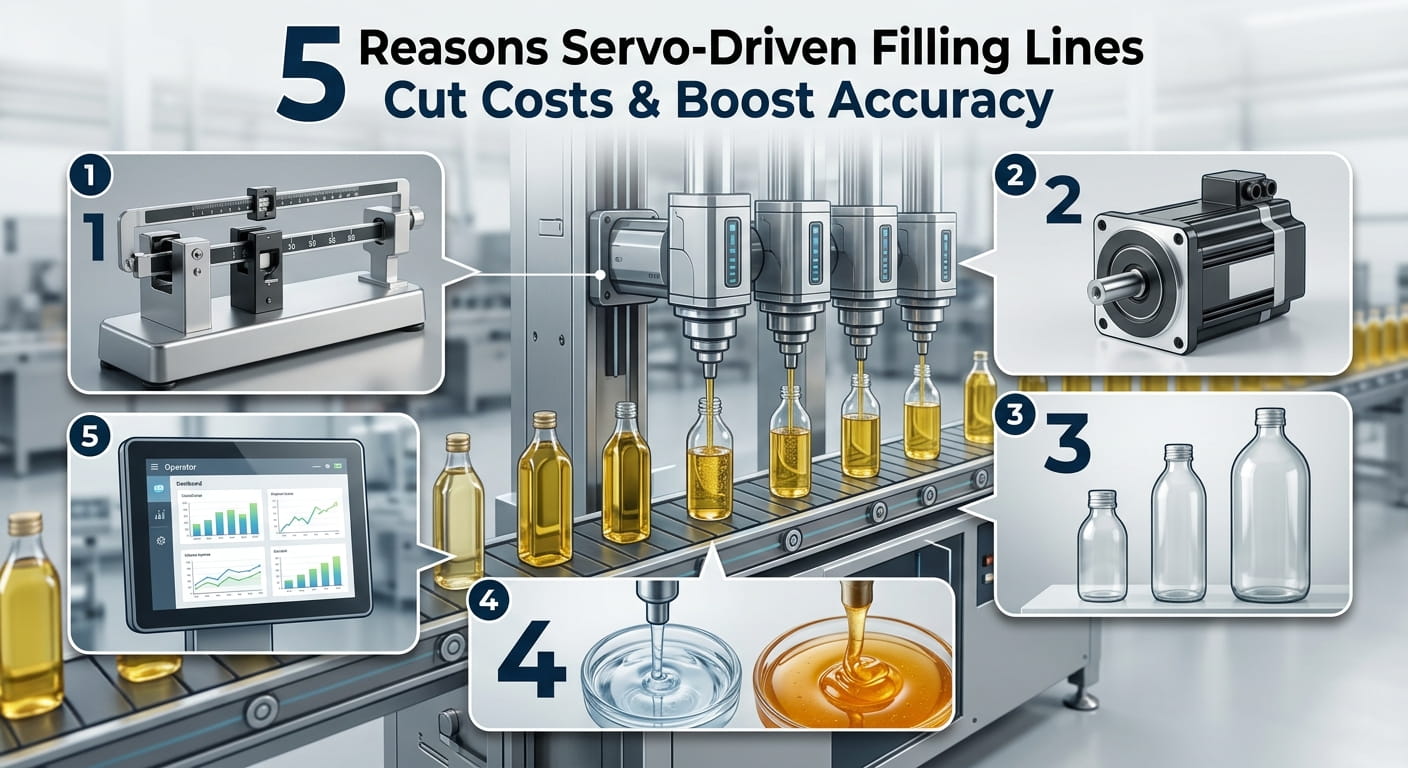
- Integración de tecnología: Explore tecnologías avanzadas como la automatización y el análisis de datos para mejorar la planificación y la previsión de la producción.
5. Conclusión
Calcular la capacidad de una máquina llenadora de bebidas es un aspecto crítico para optimizar la eficiencia de la producción y satisfacer la demanda de los consumidores. Al comprender los factores clave que influyen en la capacidad y seguir un enfoque de cálculo sistemático, los fabricantes pueden mejorar el rendimiento operativo e impulsar el crecimiento empresarial.
La implementación de estrategias específicas para maximizar la capacidad y la inversión en iniciativas de mejora continua posicionarán a los fabricantes de bebidas para el éxito en un mercado competitivo. Manténgase a la vanguardia aprovechando los conocimientos basados en datos y las mejores prácticas para liberar todo el potencial de sus máquinas llenadoras.