
Introducción
En la era de la Industria 4.0, las fábricas inteligentes están revolucionando la forma en que se lleva a cabo la producción de bebidas. Este artículo explora el impacto de las tecnologías de fabricación inteligente en la industria de bebidas, destacando los beneficios, aplicaciones, detalles técnicos, tendencias del mercado, desafíos y perspectivas futuras de esta transformación.
Beneficios de las fábricas inteligentes en la producción de bebidas
Las fábricas inteligentes aportan una gran cantidad de ventajas al sector de la producción de bebidas. Al aprovechar la automatización, el análisis de datos y los sistemas interconectados, los fabricantes pueden optimizar los procesos de producción, reducir el tiempo de inactividad, mejorar el control de calidad y aumentar la eficiencia operativa general.
- Mayor productividad y eficiencia
- Monitoreo y análisis en tiempo real para una toma de decisiones informada
- Reducción de residuos y consumo de recursos
- Mejora de la calidad y consistencia del producto
Tipos de modelos de fábrica inteligente en la producción de bebidas
Existen varios modelos de fábrica inteligente utilizados en la producción de bebidas, cada uno adaptado para satisfacer necesidades y requisitos específicos. Estos modelos pueden variar desde líneas de producción totalmente automatizadas hasta sistemas semiautomatizados que integran operadores humanos con tecnologías avanzadas.
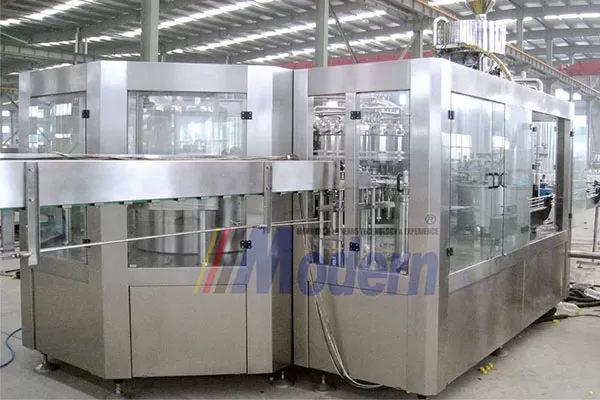
Líneas de embotellado y envasado automatizadas
Estos sistemas utilizan robótica y sensores IoT para agilizar los procesos de embotellado y envasado, garantizando un alto rendimiento y precisión en la manipulación del producto.
Sistemas de control de calidad habilitados por IoT
Estos sistemas utilizan dispositivos IoT para monitorear los parámetros de calidad del producto en tiempo real, lo que permite un mantenimiento proactivo y la garantía de calidad.
Aplicaciones de las fábricas inteligentes en la producción de bebidas
Las fábricas inteligentes se despliegan en diversas etapas de la producción de bebidas, desde el abastecimiento de ingredientes hasta el envasado y la distribución. Algunas aplicaciones comunes incluyen:
- Sistemas inteligentes de gestión de inventario
- Mantenimiento predictivo para maquinaria
- Optimización de la cadena de suministro basada en datos
Detalles técnicos y características clave de la fabricación inteligente en la producción de bebidas
La fabricación inteligente en la producción de bebidas se basa en una combinación de tecnologías como la inteligencia artificial, el aprendizaje automático, el IoT y la computación en la nube. Las características clave incluyen:
- Máquinas y dispositivos interconectados para un intercambio de datos fluido
- Análisis predictivo para el mantenimiento proactivo y el control de calidad
- Estaciones de trabajo automatizadas para procesos de producción eficientes
Mejores prácticas y consejos para implementar soluciones de fábrica inteligente
Para los fabricantes de bebidas que buscan adoptar soluciones de fábrica inteligente, aquí hay algunas mejores prácticas y consejos a considerar:
- Invertir en la formación de los empleados para garantizar una integración fluida de las nuevas tecnologías
- Colaborar con socios tecnológicos para obtener soluciones personalizadas que se alineen con los objetivos comerciales
- Actualizar y mantener regularmente los sistemas de software y hardware para garantizar un rendimiento óptimo
Tendencias del mercado y perspectivas de la industria en la producción inteligente de bebidas
La industria de bebidas está siendo testigo de un cambio hacia prácticas de fabricación inteligente impulsadas por los avances en la automatización y el análisis de datos. Las tendencias clave incluyen la adopción de gemelos digitales, el auge de las estrategias de mantenimiento predictivo y la integración de la tecnología blockchain para la trazabilidad de la cadena de suministro.
Desafíos y soluciones en la implementación de fábricas inteligentes
Si bien las fábricas inteligentes ofrecen numerosos beneficios, también presentan desafíos como riesgos de seguridad de datos, problemas de compatibilidad y requisitos de reentrenamiento de la fuerza laboral. Al implementar medidas sólidas de ciberseguridad, realizar pruebas exhaustivas de los sistemas y proporcionar capacitación continua a los empleados, estos desafíos pueden abordarse de manera efectiva.
Sostenibilidad y perspectivas futuras de la fabricación inteligente en la producción de bebidas
La fabricación inteligente desempeña un papel fundamental en la promoción de la sostenibilidad en la industria de bebidas al optimizar la utilización de recursos, reducir los residuos y minimizar el impacto ambiental. Mirando hacia el futuro, las fábricas inteligentes están preparadas para impulsar la innovación, la eficiencia y la competitividad en la producción de bebidas.
Al adoptar tecnologías de fábrica inteligente, los fabricantes de bebidas pueden mantenerse a la vanguardia, satisfacer las demandas cambiantes de los consumidores y desbloquear nuevas oportunidades de crecimiento en el mercado global.


