Introducción
En el acelerado panorama industrial actual, la integración de la robótica ha revolucionado diversos sectores, y la fabricación de refrescos no es una excepción. La automatización robótica ha transformado significativamente la forma en que se producen los refrescos, mejorando la eficiencia, la calidad y la precisión en el proceso de fabricación. Este artículo explora el profundo impacto de la robótica en la fabricación de refrescos y los beneficios clave que ofrece a las empresas de este sector.
Beneficios de la robótica en la fabricación de refrescos
1. Mayor productividad y eficiencia
- Los sistemas robóticos pueden operar las 24 horas del día, los 7 días de la semana, sin necesidad de descansos, lo que conduce a un mayor rendimiento de producción y eficiencia operativa.
- Los movimientos robóticos precisos y consistentes minimizan los errores y el desperdicio, lo que resulta en una mayor calidad del producto y una reducción de costes.
2. Mejora de la seguridad y el control de calidad
- La robótica ayuda a reducir el riesgo de accidentes laborales al encargarse de tareas peligrosas, como levantar objetos pesados o trabajar en entornos de alta temperatura.
- Los procesos automatizados de control de calidad garantizan que los refrescos cumplan con los estrictos estándares de la industria y los requisitos reglamentarios.
Tipos de robótica en la fabricación de refrescos
Existen varios tipos de robots que desempeñan un papel crucial en la producción de refrescos:
1. Robots de ensamblaje
- Estos robots son responsables de ensamblar componentes como botellas, tapas y etiquetas con precisión y velocidad.
2. Robots de embalaje
- Los robots de embalaje empaquetan de manera eficiente las botellas de refrescos en cajas o cartones, agilizando el proceso de envasado.
Aplicaciones de la robótica en la fabricación de refrescos
Los sistemas robóticos se utilizan en diversos aspectos de la fabricación de refrescos, incluyendo:
1. Llenado y tapado de botellas
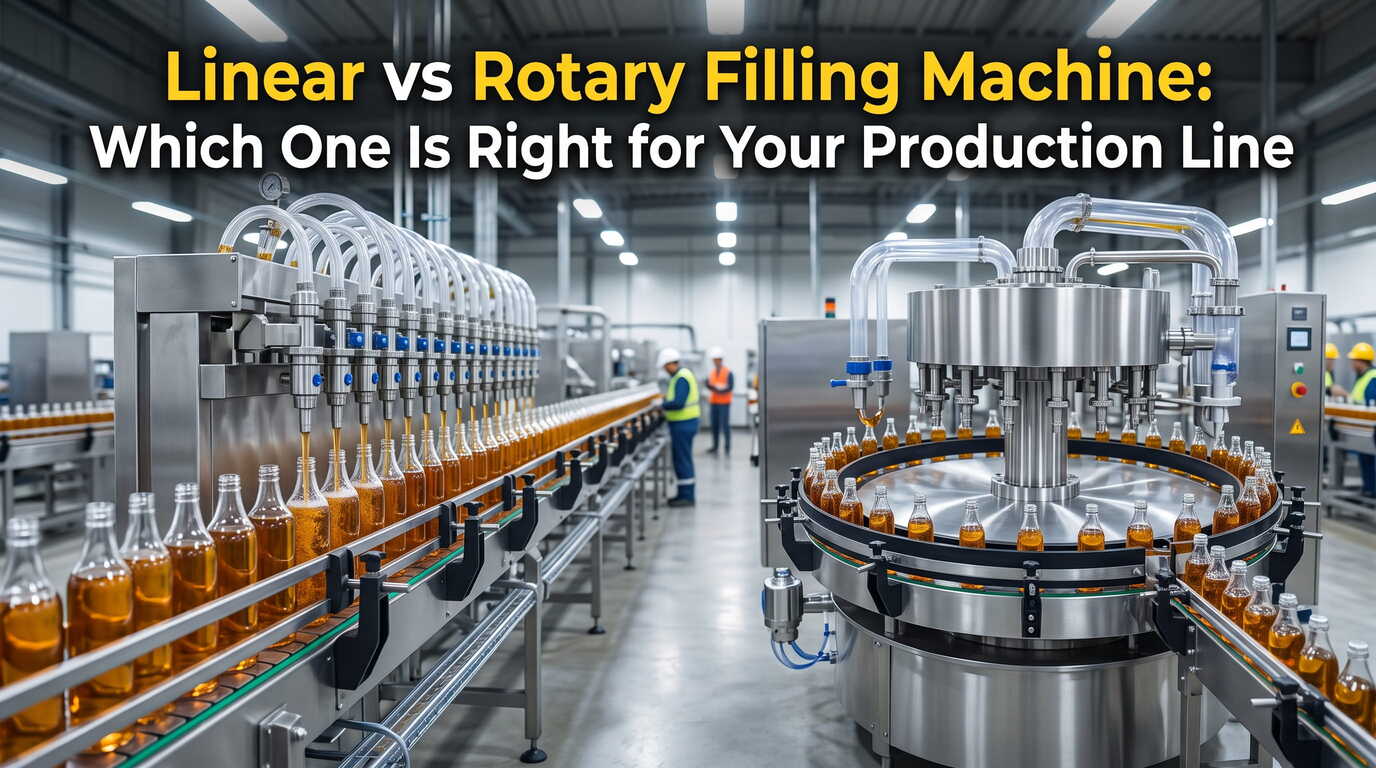
- Los robots se utilizan para llenar las botellas de refrescos con la cantidad precisa de líquido y taparlas de forma segura para evitar derrames.
2. Etiquetado e inspección
- Los brazos robóticos aplican etiquetas a las botellas con precisión y las inspeccionan en busca de defectos, garantizando el control de calidad del producto.
Detalles técnicos y mejores prácticas
Comprender los aspectos técnicos de los sistemas robóticos y seguir las mejores prácticas es esencial para optimizar los procesos de fabricación de refrescos:
1. Programación y mantenimiento
- El mantenimiento regular y las actualizaciones de software son cruciales para garantizar el rendimiento óptimo de los sistemas robóticos.
2. Integración con sistemas existentes
- Integrar robots sin problemas con los sistemas de fabricación existentes requiere una planificación y personalización cuidadosas para maximizar la eficiencia.
Tendencias del mercado y perspectivas de la industria
La industria de fabricación de refrescos está siendo testigo de importantes tendencias e innovaciones impulsadas por la robótica:
1. Adopción de robots colaborativos
- Se están implementando cada vez más robots colaborativos que trabajan junto a los operadores humanos para mejorar la flexibilidad y la productividad.
2. Integración de IA y aprendizaje automático
- La integración de algoritmos de inteligencia artificial y aprendizaje automático está optimizando las operaciones robóticas y los procesos de toma de decisiones en la fabricación de refrescos.
Desafíos y soluciones
Aunque la robótica ha aportado numerosos beneficios a la fabricación de refrescos, pueden surgir desafíos como la complejidad tecnológica y los problemas de integración:
1. Actualizaciones tecnológicas
- Las actualizaciones periódicas y la formación son esenciales para mantenerse al día con el panorama tecnológico en evolución y garantizar la máxima eficiencia operativa.
2. Desafíos de integración
- Garantizar una integración fluida de la robótica con los procesos de fabricación existentes requiere una colaboración eficaz entre las partes interesadas y una planificación exhaustiva.
Sostenibilidad y perspectivas de futuro
De cara al futuro, el sector de la fabricación de refrescos se centrará cada vez más en la sostenibilidad y la innovación:
1. Eficiencia energética
- La robótica desempeñará un papel clave en la mejora de la eficiencia energética y la reducción del impacto medioambiental mediante procesos de producción optimizados.
2. Automatización avanzada
- Los avances adicionales en las tecnologías de automatización impulsarán una mayor eficiencia, calidad y sostenibilidad en la industria de fabricación de refrescos.
En conclusión, la integración de la robótica está transformando la fabricación de refrescos, ofreciendo una gran variedad de beneficios a las empresas en términos de productividad, calidad y eficiencia. Adoptar estos avances tecnológicos y mantenerse al tanto de las últimas tendencias será crucial para las empresas que buscan prosperar en este panorama industrial en rápida evolución.