
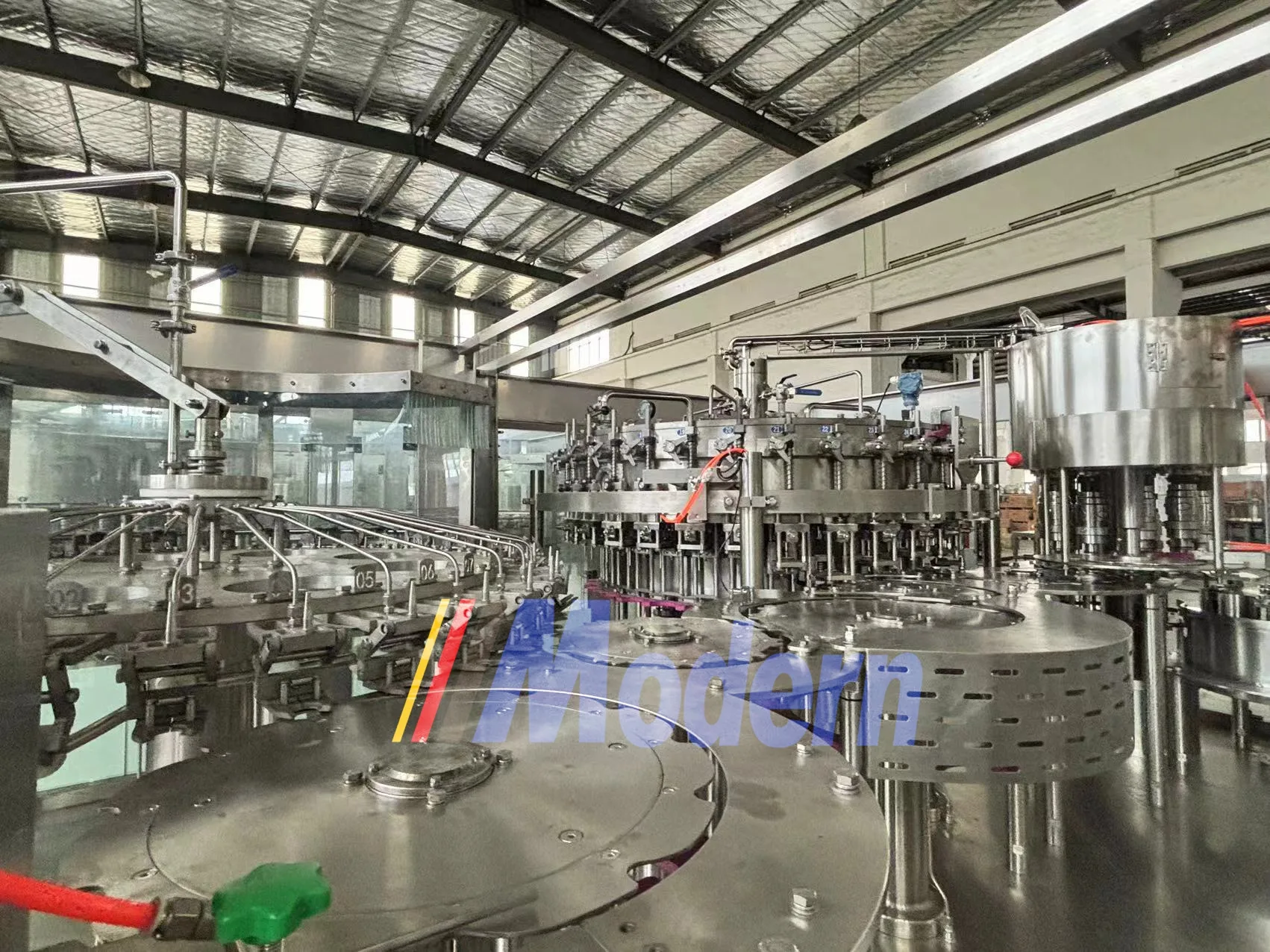
En el acelerado panorama industrial actual, la eficiencia y la rentabilidad son factores cruciales para mantener la competitividad. Una solución innovadora que ha ido ganando protagonismo en los entornos de fabricación es el uso de líneas de producción modulares. Estos sistemas versátiles ofrecen una serie de ventajas, como la optimización del espacio y el ahorro de costes, lo que los convierte en una opción atractiva para las empresas que buscan optimizar sus operaciones.
La relevancia y el contexto del sector
Las líneas de producción modulares están redefiniendo la forma en que operan las fábricas al ofrecer un enfoque flexible y escalable de la fabricación. En una economía global donde las limitaciones de espacio y las fluctuaciones en la demanda de producción son desafíos comunes, estos sistemas proporcionan una solución práctica para empresas de todos los tamaños. Al dividir el proceso de producción en unidades modulares que pueden modificarse y reorganizarse fácilmente, las empresas pueden adaptarse rápidamente a las condiciones cambiantes del mercado y optimizar la utilización de su espacio.
Ventajas de las líneas de producción modulares
Optimización del espacio
Una de las principales ventajas de las líneas de producción modulares es su capacidad para maximizar el uso del espacio disponible. Las configuraciones de producción tradicionales a menudo requieren diseños grandes y fijos, lo que genera ineficiencias y desperdicio de espacio. Por el contrario, los sistemas modulares ofrecen una huella compacta, lo que permite a las empresas hacer un uso eficiente de la planta de fábrica y reducir los costes generales innecesarios asociados con el exceso de espacio.
Ahorro de costes
La eficiencia de costes es otro beneficio significativo de las líneas de producción modulares. Al utilizar un enfoque modular, las empresas pueden ahorrar dinero tanto en la inversión inicial como en los gastos operativos a largo plazo. Estos sistemas están diseñados para ser fácilmente escalables, lo que permite a las empresas ampliar o reconfigurar sus capacidades de producción sin un desembolso de capital significativo. Además, la flexibilidad de las líneas modulares permite tiempos de configuración más rápidos y una reducción del tiempo de inactividad, lo que resulta en una mayor productividad y menores costes generales.
Tipos y variaciones de las líneas de producción modulares
Las líneas de producción modulares vienen en varias configuraciones para adaptarse a diferentes requisitos de fabricación. Algunos tipos comunes incluyen líneas de montaje, líneas de envasado y líneas de prueba, cada una adaptada a procesos de producción específicos. Las empresas pueden elegir entre unidades modulares estándar u optar por soluciones personalizadas diseñadas para satisfacer sus necesidades únicas. Esta versatilidad garantiza que las empresas puedan encontrar una línea de producción modular que se alinee con sus objetivos y limitaciones de producción.
Aplicaciones y casos de uso en el mundo real
Las líneas de producción modulares han tenido una adopción generalizada en una amplia gama de industrias, incluidas la automotriz, la electrónica, la de alimentos y bebidas, y la farmacéutica. Estos sistemas se utilizan para tareas como el ensamblaje de productos, el control de calidad, la clasificación y el envasado. Por ejemplo, en la industria automotriz, las líneas de producción modulares se emplean para agilizar la fabricación de vehículos organizando el proceso de producción en etapas eficientes e interconectadas.
Detalles técnicos y características operativas
Los principios operativos de las líneas de producción modulares giran en torno al concepto de modularidad y escalabilidad. Estos sistemas consisten en módulos individuales que pueden conectarse y reconfigurarse fácilmente para crear un flujo de producción continuo. Las características clave incluyen interfaces estandarizadas, componentes modulares y sistemas de control integrados que permiten una comunicación eficiente entre los módulos. Además, se puede integrar tecnología como la automatización y la robótica para mejorar aún más la productividad y la precisión.
Mejores prácticas y consejos de mantenimiento
Para aprovechar al máximo las líneas de producción modulares, las empresas deben centrarse en una planificación, formación y mantenimiento adecuados. Es esencial diseñar el sistema pensando en el crecimiento futuro, permitiendo una fácil expansión y adaptación según sea necesario. El mantenimiento y la conservación regulares de los módulos también son cruciales para garantizar un rendimiento y una longevidad óptimos. Formar a los operarios en las funcionalidades y protocolos de seguridad del sistema puede ayudar a minimizar el tiempo de inactividad y maximizar la eficiencia.
Tendencias e ideas del mercado
El mercado de las líneas de producción modulares está experimentando un crecimiento significativo, impulsado por la creciente demanda de soluciones de fabricación flexibles y ágiles. Los avances tecnológicos, como la integración de la Industria 4.0 y la conectividad IoT, están remodelando el panorama de la industria y allanando el camino para procesos de producción más inteligentes y eficientes. Las empresas que adoptan líneas de producción modulares están preparadas para obtener una ventaja competitiva al mantenerse a la vanguardia de las tendencias del mercado y satisfacer las demandas cambiantes de los clientes.
Desafíos y soluciones
Si bien las líneas de producción modulares ofrecen numerosos beneficios, también presentan desafíos como la integración de sistemas, las complejidades de mantenimiento y las interrupciones operativas. Las empresas pueden superar estos obstáculos invirtiendo en programas de formación integrales para los operarios, implementando programas de mantenimiento sólidos y aprovechando el soporte del proveedor para la asistencia técnica. Al abordar estos desafíos de manera proactiva, las empresas pueden maximizar el potencial de sus sistemas de producción modulares y garantizar operaciones fluidas.
Sostenibilidad y perspectivas de futuro
En un mundo cada vez más consciente del medio ambiente, la sostenibilidad se ha convertido en una consideración crítica para las empresas. Las líneas de producción modulares ofrecen beneficios ecológicos al optimizar la utilización de los recursos, reducir los residuos y mejorar la eficiencia energética. Mirando hacia el futuro, el futuro de las líneas de producción modulares es brillante, con innovaciones continuas en automatización, IA y prácticas sostenibles que impulsan la evolución de los procesos de fabricación hacia una mayor eficiencia y responsabilidad ambiental.
En conclusión, la adopción de líneas de producción modulares está transformando el panorama de la fabricación al ofrecer una solución escalable, rentable y eficiente en cuanto a espacio para empresas de todo el mundo. Al aprovechar los beneficios de los sistemas modulares y mantenerse al tanto de las tendencias y mejores prácticas de la industria, las empresas pueden mejorar su productividad, reducir costes y mantener una ventaja competitiva en el dinámico entorno de mercado actual.


