
En el vertiginoso mundo de la producción y el etiquetado, es crucial garantizar que las etiquetas permanezcan firmemente adheridas a los productos. Aquí es donde destacan las etiquetadoras de adhesivo termofusible (hot melt), que ofrecen una solución fiable y eficiente para mejorar la adherencia de las etiquetas. Profundicemos en el mundo de las etiquetadoras de adhesivo termofusible, explorando sus beneficios, aplicaciones, detalles técnicos, mejores prácticas, tendencias del mercado y más.
Descripción general: Cómo las etiquetadoras de adhesivo termofusible revolucionan la adherencia de las etiquetas
Las etiquetadoras de adhesivo termofusible son máquinas innovadoras diseñadas para aplicar etiquetas de forma segura a una amplia gama de productos. A diferencia de los métodos de etiquetado tradicionales que dependen de adhesivos que pueden no adherirse bien en diversas condiciones, las etiquetadoras de adhesivo termofusible utilizan adhesivos que crean un vínculo fuerte con el sustrato, asegurando que las etiquetas permanezcan intactas durante todo el ciclo de vida del producto.
Beneficios de utilizar etiquetadoras de adhesivo termofusible
Las etiquetadoras de adhesivo termofusible ofrecen varias ventajas clave que las convierten en la opción preferida para las empresas que buscan mejorar la adherencia de sus etiquetas:
– Adherencia más fuerte: El adhesivo termofusible utilizado por estas etiquetadoras garantiza que las etiquetas permanezcan firmemente adheridas, incluso en entornos difíciles.
– Aplicación más rápida: Las etiquetadoras de adhesivo termofusible son eficientes, lo que permite una aplicación rápida de las etiquetas sin comprometer la calidad.
– Versatilidad: Estas etiquetadoras se pueden utilizar con varios tipos de etiquetas y productos, lo que las hace versátiles para diferentes industrias.
– Reducción del tiempo de inactividad: Con requisitos mínimos de mantenimiento, las etiquetadoras de adhesivo termofusible ayudan a reducir el tiempo de inactividad de la producción, garantizando operaciones fluidas.
Tipos de etiquetadoras de adhesivo termofusible y sus aplicaciones
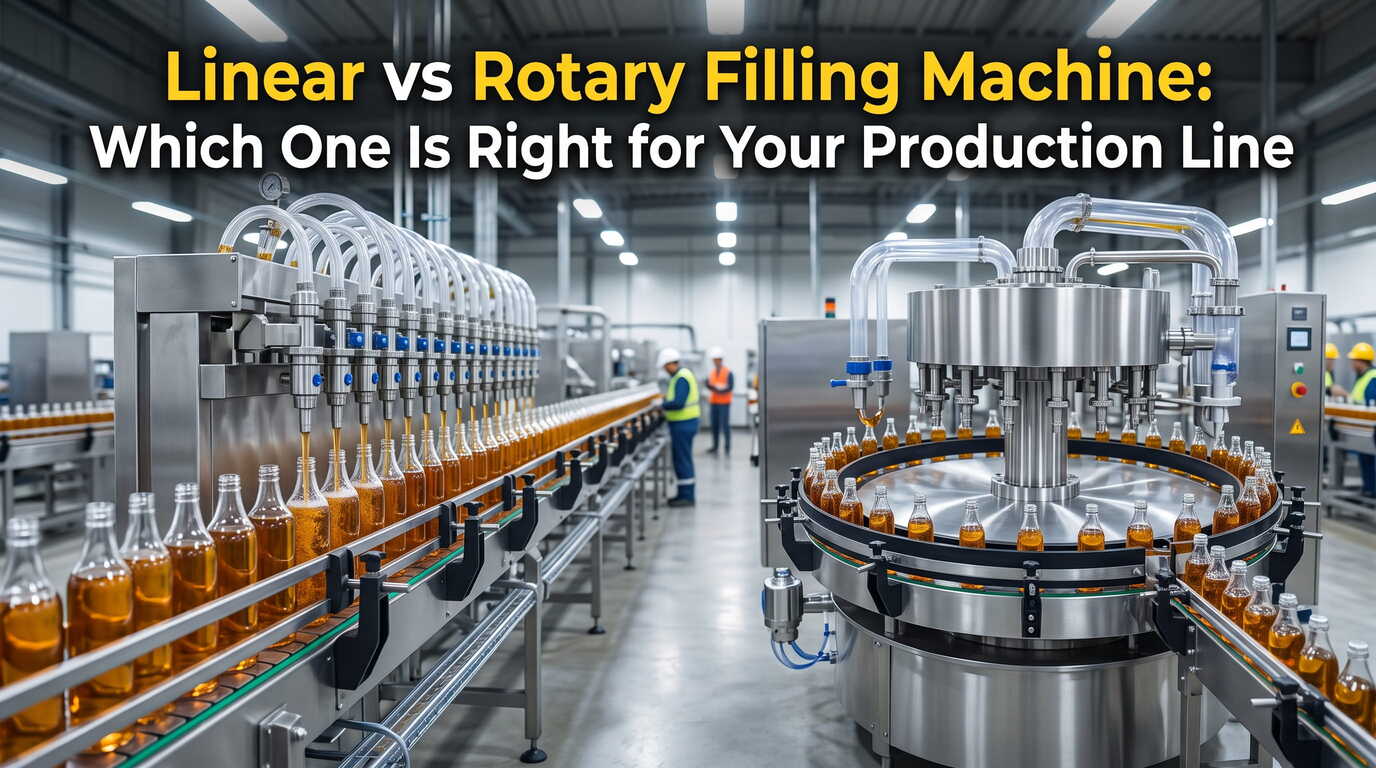
Las etiquetadoras de adhesivo termofusible vienen en diferentes tipos y configuraciones para satisfacer las necesidades de diversas industrias. Los tipos comunes incluyen etiquetadoras rotativas, etiquetadoras lineales y etiquetadoras de alta velocidad. Estas etiquetadoras encuentran aplicaciones en industrias como la de alimentos y bebidas, farmacéutica, cosmética y más.
Detalles técnicos y características operativas
Las etiquetadoras de adhesivo termofusible funcionan aplicando un adhesivo caliente a la etiqueta, que luego se presiona sobre la superficie del producto. Estas etiquetadoras cuentan con un control preciso de la temperatura, mecanismos de alineación de etiquetas y ajustes de velocidad variables para garantizar una aplicación de etiquetas precisa y consistente. Comprender los aspectos técnicos de las etiquetadoras de adhesivo termofusible es esencial para maximizar su rendimiento.
Mejores prácticas para el uso de etiquetadoras de adhesivo termofusible
Para optimizar la adherencia de las etiquetas y el rendimiento de las etiquetadoras de adhesivo termofusible, considere las siguientes mejores prácticas:
– Limpieza y mantenimiento adecuados: Limpie y mantenga regularmente la etiquetadora para evitar la acumulación de adhesivo y garantizar un funcionamiento sin problemas.
– Selección correcta del adhesivo: Elija el adhesivo termofusible adecuado para sus necesidades de etiquetado específicas para lograr una adherencia óptima.
– Condiciones de aplicación óptimas: Mantenga ajustes constantes de temperatura y presión para garantizar una aplicación uniforme del adhesivo y la adherencia de la etiqueta.
– Inspecciones periódicas: Realice inspecciones de rutina para identificar cualquier problema a tiempo y solucionarlo rápidamente para evitar tiempos de inactividad.
Tendencias del mercado y perspectivas de sostenibilidad
La industria del etiquetado está siendo testigo de avances en la tecnología de etiquetadoras de adhesivo termofusible, con un enfoque en la sostenibilidad, la automatización y la eficiencia. Los fabricantes están desarrollando adhesivos ecológicos y etiquetadoras energéticamente eficientes para reducir el impacto ambiental. El futuro del etiquetado con adhesivo termofusible parece prometedor, con un fuerte énfasis en la innovación y la sostenibilidad.
Desafíos y soluciones en la adherencia de etiquetas
A pesar de sus beneficios, las etiquetadoras de adhesivo termofusible pueden enfrentar desafíos como problemas de calidad del adhesivo, desalineación de etiquetas o requisitos de mantenimiento del equipo. Abordar estos desafíos requiere un mantenimiento proactivo, una formación adecuada para los operadores y la elección de adhesivos de alta calidad para garantizar una adherencia fiable de las etiquetas.
Conclusión
En conclusión, las etiquetadoras de adhesivo termofusible desempeñan un papel crucial en la mejora de la adherencia de las etiquetas en diversas industrias. Al comprender sus beneficios, detalles técnicos, mejores prácticas y tendencias del mercado, las empresas pueden aprovechar estas máquinas innovadoras para garantizar que las etiquetas permanezcan adheridas de forma segura a los productos. Adoptar etiquetadoras de adhesivo termofusible no solo mejora la eficiencia operativa, sino que también contribuye a prácticas de etiquetado sostenibles a largo plazo. Manténgase actualizado sobre los últimos avances en la tecnología de etiquetadoras de adhesivo termofusible para mantenerse a la vanguardia en el competitivo mundo del etiquetado.
Puntos clave:
– Las etiquetadoras de adhesivo termofusible ofrecen una fuerte adherencia y una aplicación más rápida, lo que las convierte en la opción preferida para las operaciones de etiquetado.
– Comprender los detalles técnicos y las mejores prácticas para el uso de etiquetadoras de adhesivo termofusible es esencial para un rendimiento óptimo.
– Adopte las tendencias del mercado y las prácticas de sostenibilidad para garantizar soluciones de adherencia de etiquetas eficientes y ecológicas.
Al integrar etiquetadoras de adhesivo termofusible en los procesos de etiquetado, las empresas pueden optimizar las operaciones, mejorar la adherencia de las etiquetas y satisfacer las demandas cambiantes del mercado de manera efectiva.
Este artículo proporciona información valiosa sobre cómo las etiquetadoras de adhesivo termofusible revolucionan la adherencia de las etiquetas, ayudando a las empresas a tomar decisiones informadas y optimizar sus operaciones de etiquetado para una mayor eficiencia y productividad.