En una era en la que la salud y el bienestar son primordiales, la demanda de agua potable limpia y segura se ha disparado. Establecer una planta embotelladora de agua potable presenta una oportunidad única tanto para emprendedores como para empresas. Este artículo profundiza en varios aspectos de la operación de una planta embotelladora de agua exitosa, desde las consideraciones iniciales y los estándares de la industria hasta las estrategias de marketing y los conocimientos prácticos.
Comprender la industria del embotellado de agua potable
La industria del embotellado de agua potable es un sector multimillonario que implica la purificación, el envasado y la distribución de agua. El mercado global ha experimentado un crecimiento significativo debido a la creciente conciencia sobre la salud y la importancia de la hidratación. Con la capacidad de atender tanto a mercados locales como internacionales, el negocio del embotellado de agua no solo es lucrativo, sino también altamente relevante en la sociedad actual.
Tendencias del mercado y preferencias de los consumidores
Para prosperar en la industria del embotellado de agua potable, es esencial comprender las tendencias del mercado y las preferencias de los consumidores. Los factores clave que influyen en las elecciones de los consumidores incluyen:
- Conciencia sobre la salud: Los consumidores priorizan cada vez más la salud, buscando agua natural y rica en minerales que mejore su bienestar.
- Sostenibilidad: Los envases respetuosos con el medio ambiente y el abastecimiento sostenible de agua se han convertido en consideraciones cruciales para los consumidores informados.
- Aguas saborizadas y funcionales: La introducción de agua saborizada y enriquecida, como las bebidas con electrolitos, ofrece a las empresas una ventaja competitiva.
Establecimiento de una planta embotelladora: consideraciones clave
Lanzar una planta embotelladora de agua potable requiere una planificación exhaustiva y la consideración de múltiples factores:
1. Cumplimiento normativo
Comprender y cumplir con las regulaciones es vital para el establecimiento de una planta embotelladora de agua. Los diferentes países tienen regulaciones variables con respecto a la calidad del agua y los estándares de seguridad. Es esencial estar al tanto de:
- Los estándares de calidad establecidos por los organismos gubernamentales.
- La necesidad de pruebas y certificaciones periódicas de las fuentes de agua y los productos.
- Permisos y licencias requeridos para la operación.
2. Selección de la fuente de agua
La selección de una fuente de agua adecuada es una de las decisiones más críticas al establecer una planta embotelladora. Considere lo siguiente:
- Calidad del agua: Asegúrese de que la fuente de agua sea limpia, fresca y libre de contaminantes.
- Acceso y sostenibilidad: Evalúe la accesibilidad a la fuente de agua y la sostenibilidad de su extracción a largo plazo.
- Derechos legales: Obtenga los derechos para extraer agua de las fuentes elegidas para evitar posibles problemas legales.
3. Ubicación e infraestructura
La ubicación de la planta embotelladora puede influir enormemente en su éxito. Los factores a considerar incluyen:
- Proximidad a la fuente de agua: Asegurar que la instalación esté cerca de la fuente de agua minimiza los costos de transporte y mantiene la calidad del agua.
- Logística y distribución: Elija una ubicación que facilite una distribución eficiente para minimizar los tiempos y costos de entrega.
- Diseño de las instalaciones: Planifique una distribución eficiente para la maquinaria, el almacenamiento y las líneas de montaje para maximizar la productividad.
Tecnología y equipamiento
Invertir en tecnología y equipos modernos es fundamental para garantizar una producción de alta calidad y eficiencia:
1. Sistema de purificación de agua
Implemente un sistema avanzado de purificación de agua que incluya:
- Filtración: Uso de múltiples métodos de filtración para eliminar impurezas.
- Ósmosis inversa: Para garantizar que se eliminen todos los contaminantes, lo que resulta en agua pura.
- Adición de minerales: Si es necesario, añada minerales esenciales al agua para mejorar el sabor y los beneficios para la salud.
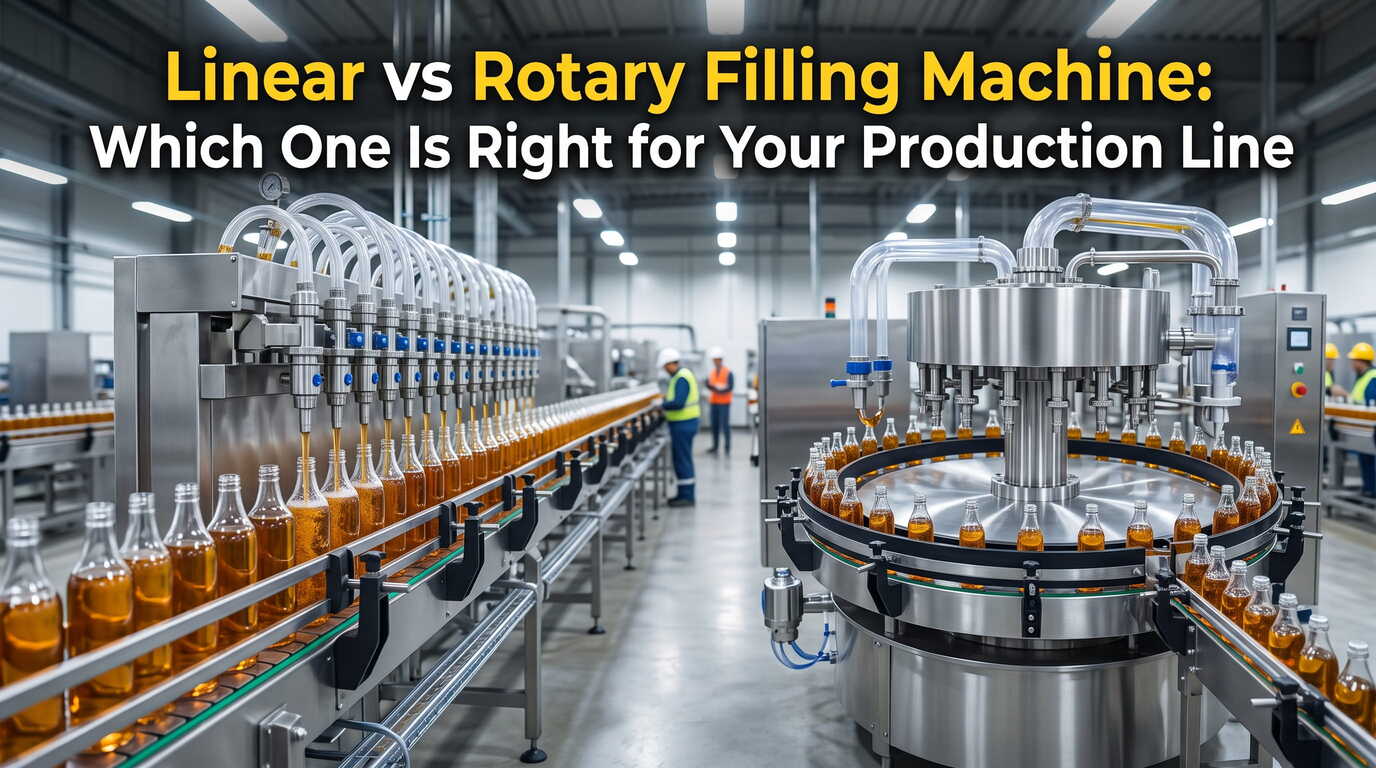
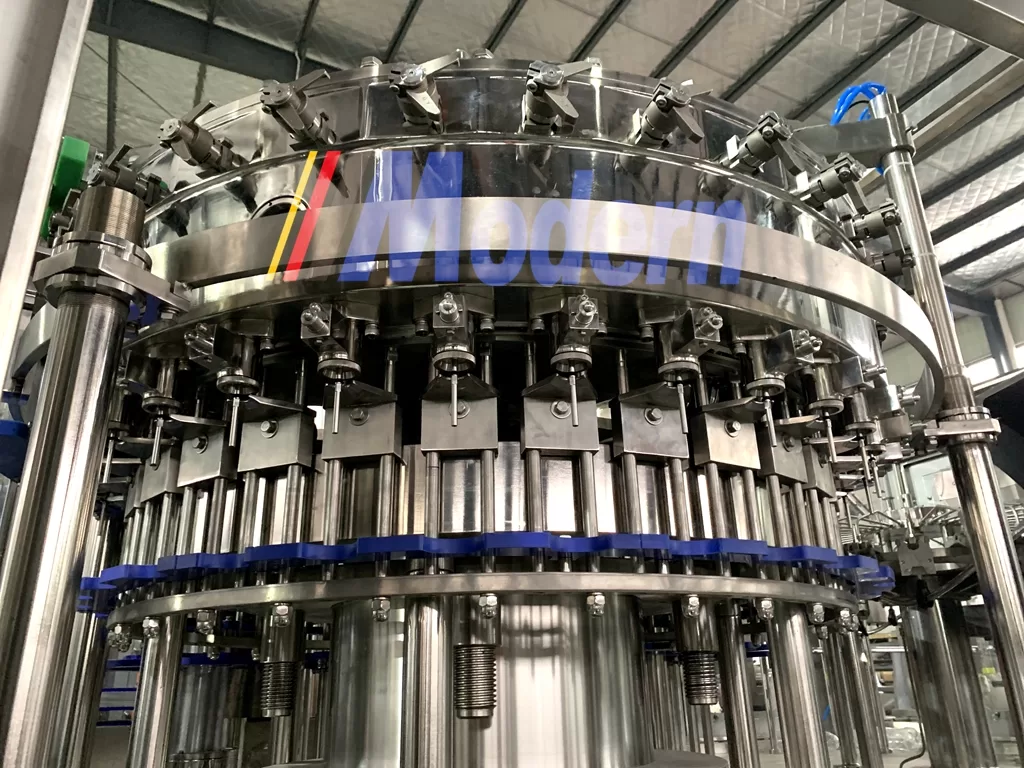
2. Maquinaria de embotellado
Invierta en maquinaria de embotellado de alta calidad que ofrezca:
- Eficiencia: Maquinaria capaz de manejar altos ritmos de producción garantizando la calidad.
- Automatización: Sistemas automatizados para minimizar los costes laborales y el error humano.
- Opciones ecológicas: Equipos que minimizan los residuos plásticos y son energéticamente eficientes.
Control y garantía de calidad
Mantener altos estándares de calidad no es negociable en la industria del embotellado de agua potable. Implemente un programa sólido de control de calidad que incluya:
- Pruebas periódicas: Análisis rutinarios de muestras de agua para garantizar el cumplimiento de las normas de seguridad.
- Higiene de las instalaciones:** Asegurar que todas las áreas de la planta se mantengan limpias e higiénicas.
- Capacitación del personal: Capacite regularmente al personal sobre las medidas de control de calidad y los protocolos de seguridad.
Estrategias de marketing
Una vez operativa, una estrategia de marketing eficaz será crucial para establecer su marca en un mercado competitivo:
1. Desarrollo de marca
Desarrollar una identidad de marca sólida puede diferenciar su producto en un mercado saturado. Considere:
- Propuesta única de venta (USP): Defina claramente qué hace que su agua embotellada sea única, ya sea por su origen natural, por estar enriquecida con minerales o por ser ecológica.
- Diseño de envases: Invierta en envases sostenibles y llamativos que conecten con su público objetivo.
2. Canales de distribución
Su estrategia de distribución debe estar bien planificada para maximizar el alcance:
- Minoristas locales: Establezca asociaciones con tiendas de comestibles, tiendas de productos naturales y restaurantes.
- Ventas en línea: Utilice plataformas de comercio electrónico para llegar a un público más amplio y ofrecer servicios de entrega a domicilio.
- Asociaciones corporativas: Colabore con empresas para suministrar agua embotellada para eventos, oficinas y reuniones.
3. Mensajes sobre sostenibilidad
A medida que los consumidores se vuelven más conscientes del medio ambiente, promover la sostenibilidad puede mejorar la imagen de su marca:
- Prácticas ecológicas: Destaque las prácticas sostenibles dentro de sus procesos de embotellado.
- Participación comunitaria: Participe en iniciativas comunitarias que promuevan la responsabilidad medioambiental.
Desafíos en la industria del embotellado
Como cualquier negocio, operar una planta de embotellado de agua potable conlleva sus propios desafíos:
- Escasez de agua: La sobreextracción puede llevar al agotamiento de las fuentes de agua. Es esencial practicar la sostenibilidad.
- Competencia: El mercado está saturado de muchas marcas. La diferenciación es clave.
- Obstáculos regulatorios: Mantener el cumplimiento de los cambios normativos requiere diligencia y adaptabilidad.
Conclusión
El negocio de las plantas embotelladoras de agua potable ofrece una gran cantidad de oportunidades en un mercado próspero centrado en la salud y el bienestar. Comprender las complejidades de esta industria, desde el cumplimiento normativo y las inversiones en tecnología hasta las estrategias de marketing eficaces, es vital para el éxito. Al adoptar un enfoque sostenible, invertir en la tecnología adecuada y centrarse en la garantía de calidad, las empresas pueden posicionarse como proveedores confiables de agua potable limpia y segura.
A medida que evolucionan las preferencias de los consumidores, mantenerse al tanto de las tendencias del mercado y adaptarse a los nuevos desafíos garantizará que su planta embotelladora de agua potable no solo sobreviva, sino que prospere en un panorama competitivo.