
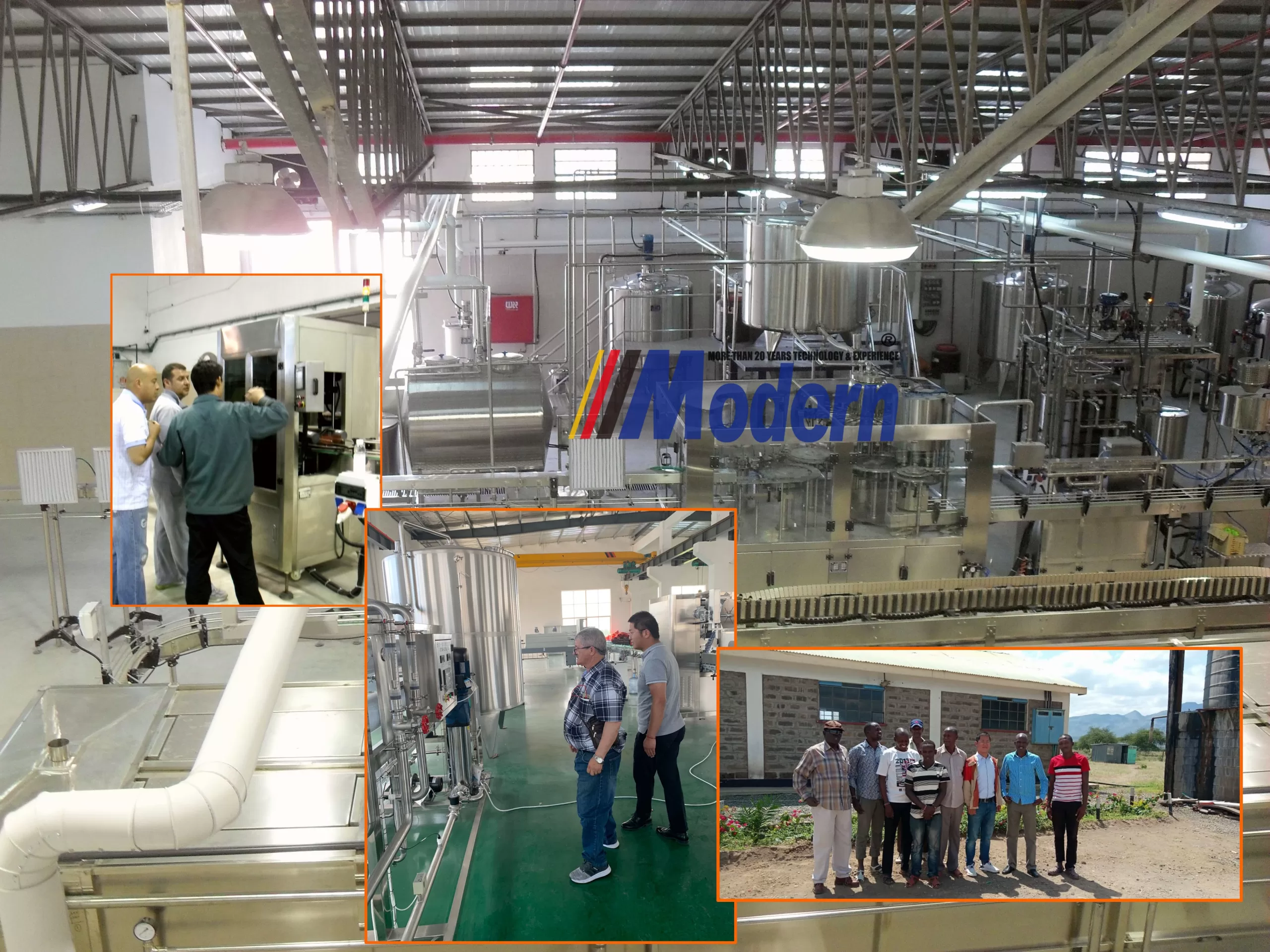
En el acelerado mundo actual, la demanda de agua embotellada está en su punto más alto, impulsada por la conciencia sobre la salud, la conveniencia y la creciente necesidad de soluciones de hidratación portátiles. A medida que las empresas se esfuerzan por satisfacer esta creciente demanda, la importancia de métodos de producción eficientes nunca ha sido mayor. Uno de estos métodos es la implementación de máquinas llenadoras de botellas de agua. Este artículo profundiza en las muchas facetas de las máquinas llenadoras de botellas de agua, sus funcionalidades, beneficios, consideraciones de compra y el impacto que tienen en el control de calidad dentro de la industria de bebidas.
Entendiendo las máquinas llenadoras de botellas de agua
Las máquinas llenadoras de botellas de agua son equipos especializados diseñados para automatizar el proceso de llenado de botellas con agua. Vienen en diversas configuraciones y capacidades, adecuadas para diferentes escalas de producción, desde pequeñas empresas hasta plantas embotelladoras a gran escala. Estas máquinas pueden llenar varios tipos de envases, desde botellas de plástico PET hasta botellas de vidrio, dependiendo del modelo específico y la tecnología utilizada.
Tipos de máquinas llenadoras de botellas de agua
Existen varios tipos de máquinas llenadoras de botellas de agua, cada una adaptada a diferentes necesidades operativas:
- Llenadoras por gravedad: Estas máquinas utilizan la gravedad para llenar las botellas. Aunque son sencillas y rentables, pueden no ser ideales para todos los tamaños y tipos de botellas.
- Llenadoras por bomba: Estas utilizan bombas para transferir el líquido desde un depósito a la botella, proporcionando un mayor control sobre el proceso de llenado, el cual puede ajustarse según el tamaño de la botella.
- Llenadoras a presión: A menudo utilizadas para bebidas carbonatadas, estas máquinas llenan las botellas bajo presión, minimizando la formación de espuma y asegurando un nivel de llenado constante.
- Llenadoras por rebose: Ideales para un llenado con niveles precisos. Cuando el líquido alcanza el nivel deseado, el exceso vuelve al tanque, asegurando niveles de llenado uniformes en todos los envases.
Las ventajas de utilizar máquinas llenadoras de botellas de agua
El uso de máquinas llenadoras de botellas de agua ofrece numerosos beneficios que pueden transformar la eficiencia de la producción y la calidad del producto.
1. Mayor eficiencia
Una de las principales ventajas de las máquinas llenadoras de botellas de agua es su capacidad para aumentar considerablemente la velocidad de producción. Los procesos de llenado manual pueden llevar mucho tiempo y pueden dar lugar a inconsistencias. Los sistemas automatizados pueden llenar de cientos a miles de botellas por hora, dependiendo de la capacidad de la máquina, optimizando así toda la operación.
2. Consistencia y control de calidad
La consistencia en el llenado de las botellas es crucial para mantener la calidad del producto y la satisfacción del cliente. Con tecnología avanzada, las máquinas llenadoras de botellas de agua pueden garantizar que cada botella se llene al mismo nivel, eliminando el riesgo de derrames o envases insuficientemente llenos. Este nivel de control de calidad es particularmente importante en industrias reguladas donde se exigen mediciones precisas.
3. Reducción de los costos laborales
La implementación de máquinas llenadoras automáticas puede reducir significativamente los costos laborales asociados con las operaciones de llenado manual. Se necesita menos personal, lo que no solo ahorra dinero, sino que también reduce la posibilidad de error humano. La fuerza laboral puede ser redirigida hacia otras tareas críticas, mejorando así la productividad general.
4. Flexibilidad y escalabilidad
Las máquinas llenadoras de botellas de agua actuales son altamente personalizables, lo que permite a las empresas modificar sus operaciones según las necesidades de producción. Ya sea que una empresa esté aumentando los volúmenes de producción o cambiando los diseños de las botellas, muchas máquinas modernas pueden adaptarse sin problemas, lo que las convierte en una inversión sólida para las empresas en crecimiento.
5. Mejora de la higiene y la seguridad
Las máquinas llenadoras automatizadas mejoran los estándares de higiene al minimizar el contacto humano con el producto. La mayoría de las máquinas están diseñadas con componentes fáciles de limpiar, lo que reduce el riesgo de contaminación. Esto es particularmente significativo en la industria de alimentos y bebidas, donde la seguridad es primordial.
Consideraciones clave al comprar una máquina llenadora de botellas de agua
Al considerar la inversión en una máquina llenadora de botellas de agua, se deben tener en cuenta varios factores para garantizar una compra inteligente.
1. Capacidad de producción
Evalúe las necesidades de producción de su empresa para determinar la capacidad requerida de la máquina. ¿Producirá unos cientos de botellas al día o prevé una mayor demanda? Establecer sus objetivos de producción desde el principio puede guiarlo en la selección de la máquina adecuada.
2. Tipos y tamaños de botellas
Diferentes máquinas de llenado se adaptan a diversos tipos y tamaños de botellas. Considere qué materiales (por ejemplo, vidrio, PET) y tamaños desea llenar. Asegúrese de que la máquina pueda adaptarse a sus necesidades específicas, ya que esto afectará tanto a los costos iniciales como a la eficiencia durante la producción.
3. Tecnología y características
Diferentes modelos vienen equipados con diversas tecnologías y características. Busque máquinas que ofrezcan interfaces de control avanzadas, configuraciones programables y capacidades de automatización que puedan mejorar el rendimiento y la experiencia del usuario. Considere características que promuevan la facilidad de uso, el mantenimiento y la limpieza.
4. Presupuesto y costo total de propiedad
El costo de compra de una máquina llenadora de botellas de agua es una consideración esencial, pero es igualmente importante evaluar el costo total de propiedad. Factores como el consumo de energía, los gastos de mantenimiento y el posible tiempo de inactividad deben incluirse en su presupuesto para garantizar un retorno de la inversión satisfactorio.
5. Fiabilidad y soporte del proveedor
Seleccionar un proveedor de confianza es fundamental. Investigue a los posibles proveedores solicitando referencias o revisando testimonios de otras empresas. Garantizar la disponibilidad de soporte técnico y repuestos es crucial para mantener operaciones fluidas después de la compra.
Conclusión: El futuro de las máquinas llenadoras de botellas de agua
A medida que la demanda mundial de agua embotellada sigue aumentando, las empresas deben aprovechar la tecnología para seguir siendo competitivas. Las máquinas llenadoras de botellas de agua ofrecen una solución práctica, mejorando la eficiencia, la calidad y la seguridad en la producción. Al invertir en tecnología de llenado avanzada, las empresas no solo pueden satisfacer las demandas del mercado, sino también garantizar prácticas sostenibles y la satisfacción del cliente.
Al embarcarse en el proceso de adquisición de una máquina llenadora de botellas de agua, tenga en cuenta las múltiples dimensiones de funcionalidad, capacidad y costo. Una inversión bien investigada no solo elevará sus operaciones, sino que también posicionará a su marca para el éxito a largo plazo en la próspera industria del agua embotellada.


