
En el ámbito de la fabricación, especialmente en las industrias alimentaria, de bebidas y farmacéutica, la eficiencia y la precisión son fundamentales. Un aspecto esencial que contribuye en gran medida a alcanzar estos objetivos es la línea de llenado completa. Este artículo profundiza en los componentes, beneficios y mejores prácticas asociados con las líneas de llenado completas, ofreciendo información valiosa para las empresas que buscan optimizar sus operaciones.
Entendiendo las líneas de llenado completas
Una línea de llenado completa es un sistema diseñado para automatizar el proceso de llenado, garantizando un rendimiento constante y de alta velocidad mientras se mantiene la calidad del producto. Abarca varios componentes clave, incluidos transportadores, máquinas llenadoras, máquinas tapadoras, sistemas de etiquetado y soluciones de envasado. La integración de estos elementos crea un flujo de trabajo fluido que minimiza la intervención humana y reduce el potencial de errores.
Componentes clave de una línea de llenado integral
Para comprender plenamente la importancia de una línea de llenado completa, es crucial entender sus componentes individuales:
- Transportadores: Estos transportan los productos entre las diferentes etapas del proceso de llenado, mejorando significativamente la eficiencia. Pueden personalizarse según el tipo de producto que se esté llenando y la disposición de la planta de producción.
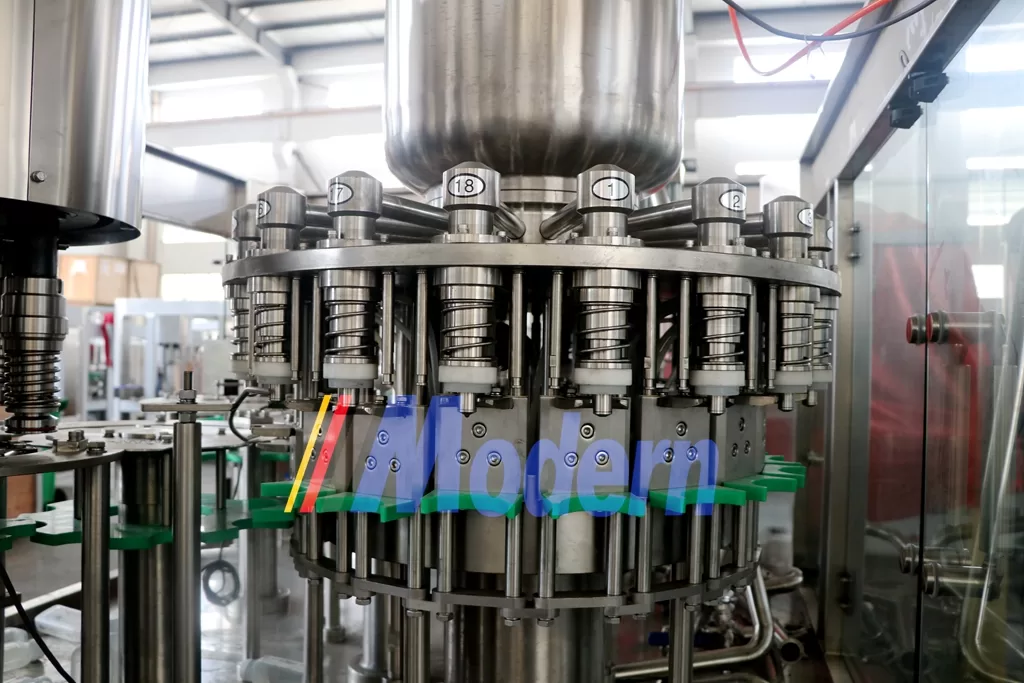
- Máquinas de llenado: Estas máquinas son el núcleo de la línea de llenado, responsables de dispensar con precisión el producto en los envases. Existen varios tipos disponibles, como máquinas de llenado gravimétricas, volumétricas y a presión, cada una adecuada para diferentes tipos de productos.
- Máquinas tapadoras: Después del llenado, el siguiente paso crítico es el sellado de los envases. Las máquinas tapadoras aseguran que las tapas se apliquen de forma segura y eficiente, evitando la contaminación y los derrames.
- Sistemas de etiquetado: Para mantener el cumplimiento de las normativas y ayudar en la identificación del producto, los sistemas de etiquetado son vitales. Aseguran que toda la información necesaria, incluidas las fechas de caducidad y los códigos de barras, se coloque con precisión.
- Soluciones de envasado: Finalmente, los productos envasados deben prepararse para el envío. Las soluciones de envasado integradas agilizan este proceso, asegurando que los productos lleguen a los consumidores de forma segura y en perfectas condiciones.
Beneficios de implementar líneas de llenado completas
Implementar una línea de llenado completa puede ofrecer numerosas ventajas para los fabricantes. Estos son algunos beneficios clave:
1. Mayor eficiencia
La automatización es la piedra angular de una línea de llenado completa, lo que mejora significativamente la eficiencia operativa. Al reducir la dependencia de la mano de obra manual, las empresas pueden lograr un mayor rendimiento, lo que les permite satisfacer la creciente demanda sin comprometer la calidad.
2. Precisión mejorada
La precisión en el llenado es crucial para mantener la calidad del producto y cumplir con los estándares normativos. Las máquinas de llenado automatizadas están diseñadas para minimizar el error humano, asegurando que cada envase se llene con el volumen correcto, manteniendo así la consistencia en todos los lotes de producción.
3. Ahorro de costes
Aunque la inversión inicial en líneas de llenado completas puede parecer sustancial, los ahorros a largo plazo suelen ser considerables. La reducción de los costes laborales, la minimización del desperdicio de producto y el aumento de la velocidad de producción contribuyen colectivamente a una mayor rentabilidad.
4. Flexibilidad y escalabilidad
Las líneas de llenado modernas están diseñadas para ser adaptables. Los fabricantes pueden modificar fácilmente sus sistemas para adaptarse a diferentes tamaños de envases, tipos de productos o volúmenes de producción. Esta flexibilidad es esencial en el dinámico entorno de mercado actual, donde la demanda puede cambiar rápidamente.
5. Cumplimiento normativo
Con normativas estrictas en las industrias alimentaria, farmacéutica y cosmética, el cumplimiento no es negociable. Las líneas de llenado completas están equipadas con características que ayudan a garantizar el cumplimiento de los estándares de seguridad y calidad, desde un llenado preciso hasta un etiquetado adecuado.
Diseño de una línea de llenado completa eficiente
Para aprovechar los beneficios de una línea de llenado completa, la planificación y el diseño cuidadosos son esenciales. A continuación, se presentan varias consideraciones a tener en cuenta al implementar una nueva línea de llenado:
1. Evalúe sus necesidades
Antes de invertir en una línea de llenado, realice una evaluación integral de sus necesidades de producción. Considere factores como el tipo de producto, las especificaciones del envase, el volumen de producción y el potencial de crecimiento futuro. Esta evaluación inicial guiará la selección de su equipo y el diseño del sistema.
2. Elija el equipo adecuado
Con una multitud de opciones disponibles, seleccionar el equipo adecuado para cada etapa del proceso de llenado es fundamental. Investigue varios tipos de máquinas llenadoras, mecanismos de tapado y sistemas de etiquetado para determinar cuál se adapta mejor a las características de su producto.
3. Optimice la disposición
La disposición física de la línea de llenado puede afectar significativamente su eficiencia. Apunte a un diseño optimizado que minimice la distancia que los productos deben recorrer entre procesos. Implementar un flujo lineal puede ayudar a evitar cuellos de botella y reducir el tiempo de manipulación.
4. Invierta en formación
Incluso con equipos automatizados, el funcionamiento exitoso depende del personal cualificado. Invertir en formación para su personal garantiza que sean competentes en el manejo y mantenimiento de la línea de llenado, lo cual es crucial para minimizar el tiempo de inactividad y maximizar la eficiencia.
5. Mantenimiento regular
Para evitar interrupciones costosas, establezca un programa de mantenimiento rutinario para su línea de llenado. Las revisiones periódicas pueden ayudar a identificar posibles problemas antes de que se agraven, asegurando que la producción funcione de manera fluida y fiable.
Desafíos a considerar
Si bien las líneas de llenado completas ofrecen numerosos beneficios, también presentan desafíos potenciales. Comprender estos desafíos puede ayudar a las empresas a prepararse y mitigar los riesgos:
1. Inversión inicial
La inversión de capital necesaria para implementar una línea de llenado completa puede ser desalentadora, especialmente para los fabricantes pequeños y medianos. Es esencial sopesar el posible retorno de la inversión frente a los costes iniciales y considerar opciones de arrendamiento o soluciones de financiación.
2. Integración con sistemas existentes
Si ya tiene procesos establecidos, integrar una nueva línea de llenado puede plantear desafíos. Asegúrese de que sea compatible con los equipos y procesos existentes para evitar interrupciones y maximizar los beneficios de su nueva inversión.
3. Cambios tecnológicos
El rápido avance de la tecnología puede dificultar la selección de equipos que sigan siendo relevantes. Para combatir esto, elija sistemas modulares que permitan actualizaciones y expansiones con el tiempo, protegiendo su inversión a largo plazo.
Conclusión
En el panorama competitivo de la fabricación, las líneas de llenado completas son un activo inestimable que puede mejorar la eficiencia, aumentar la precisión y reducir los costes. Al comprender los componentes, los beneficios y las mejores prácticas asociados con estos sistemas, los fabricantes pueden tomar decisiones informadas que impulsen la productividad y el éxito. Aunque existen desafíos, una planificación exhaustiva, la inversión en la tecnología adecuada y la formación continua de los empleados pueden conducir a un proceso de llenado optimizado que resista el paso del tiempo.
En última instancia, adoptar la evolución de la tecnología de llenado no se trata solo de mantenerse al día con los estándares de la industria; se trata de preparar el escenario para el crecimiento futuro y mantener una ventaja competitiva en un mercado en constante evolución.


