
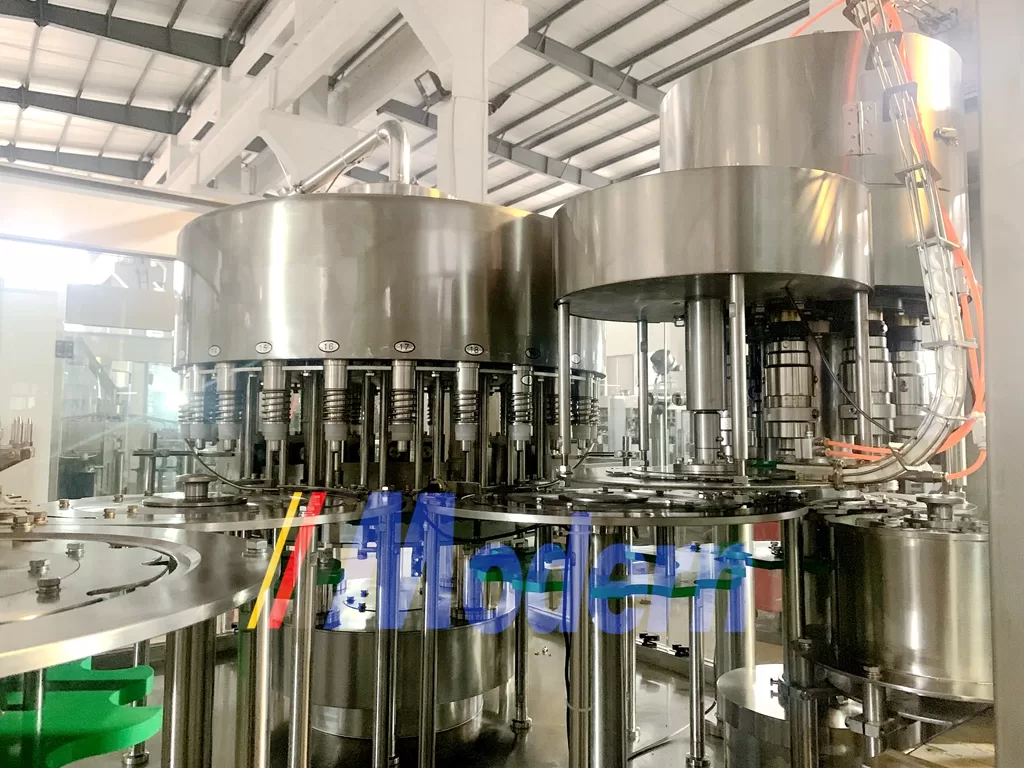
En los últimos años, la preocupación mundial por la sostenibilidad ambiental ha aumentado, lo que ha llevado a las industrias a reevaluar sus procesos de fabricación y sus productos. La industria del plástico, en particular, ha sido objeto de un intenso escrutinio debido al impacto ambiental adverso de sus productos, incluidas las botellas de PET. El PET (tereftalato de polietileno) es el tipo de plástico más común utilizado en la producción de envases de bebidas, siendo el soplado de botellas una etapa crucial en la fabricación. Este artículo profundiza en el impacto ambiental del soplado de botellas de PET, explorando las diversas dimensiones, desafíos y posibles soluciones para mitigar sus efectos en el planeta.
El proceso de soplado de botellas de PET
El soplado de botellas de PET implica transformar la resina de PET en botellas mediante un proceso llamado moldeo por estirado-soplado. El proceso comienza con el calentamiento de los gránulos de resina de PET hasta su punto de fusión, seguido de la formación de una preforma, que luego se estira y se sopla hasta obtener la forma de botella deseada utilizando aire comprimido. Si bien este proceso es esencial para producir botellas ligeras, duraderas y transparentes, plantea varias preocupaciones ambientales que deben abordarse.
Preocupaciones ambientales
1. Consumo de energía
Uno de los principales impactos ambientales del soplado de botellas de PET es el alto consumo de energía que conlleva. El proceso requiere cantidades significativas de electricidad para calentar la resina de PET, moldear las preformas y soplar las botellas. Este consumo de energía contribuye a las emisiones de gases de efecto invernadero y agrava el cambio climático.
2. Huella de carbono
Otro aspecto crítico a considerar es la huella de carbono del soplado de botellas de PET. La producción y el transporte de resina de PET, junto con todo el proceso de fabricación de botellas, liberan dióxido de carbono y otros gases de efecto invernadero a la atmósfera. Esto resulta en una huella de carbono sustancial asociada con cada botella de PET producida.
3. Uso de agua
Además del consumo de energía, el uso de agua es una preocupación importante en la producción de botellas de PET. Se requiere agua para enfriar los moldes durante el proceso de moldeo y para limpiar los equipos. El uso excesivo de agua, junto con la liberación de aguas residuales que contienen productos químicos nocivos, puede provocar escasez de agua y contaminación, afectando a los ecosistemas acuáticos.
Soluciones de sostenibilidad
1. Iniciativas de reciclaje
Una de las formas más efectivas de abordar el impacto ambiental del soplado de botellas de PET es a través de iniciativas de reciclaje. Fomentar que los consumidores reciclen las botellas de PET usadas e implementar programas de recolección y reciclaje puede ayudar a reducir la demanda de resina de PET virgen, disminuyendo el consumo de energía y las emisiones de carbono.
2. Uso de PET reciclado
Integrar PET reciclado (rPET) en la producción de nuevas botellas es otra solución sostenible. Al utilizar rPET como materia prima, los fabricantes pueden disminuir su dependencia de la resina virgen y minimizar el impacto ambiental del soplado de botellas. Esta práctica promueve una economía circular y reduce la huella de carbono de los envases de plástico.
3. Tecnologías energéticamente eficientes
Invertir en tecnologías y procesos energéticamente eficientes puede reducir significativamente el consumo de energía del soplado de botellas de PET. Utilizar fuentes de energía renovables, optimizar los sistemas de calefacción y refrigeración e implementar técnicas de moldeo avanzadas puede ayudar a disminuir la huella de carbono de la producción de botellas y, al mismo tiempo, mejorar la eficiencia operativa general.
Conclusión
El impacto ambiental del soplado de botellas de PET es un problema complejo que requiere un enfoque multifacético para abordarlo. Al comprender los desafíos asociados con la producción de botellas de PET e implementar soluciones sostenibles, los fabricantes pueden minimizar su huella ambiental y contribuir a un futuro más sostenible. Desde iniciativas de reciclaje hasta la adopción de tecnologías energéticamente eficientes, existen varias estrategias disponibles para mitigar el impacto ambiental del soplado de botellas de PET y avanzar hacia una industria más ecológica y consciente del medio ambiente.


