
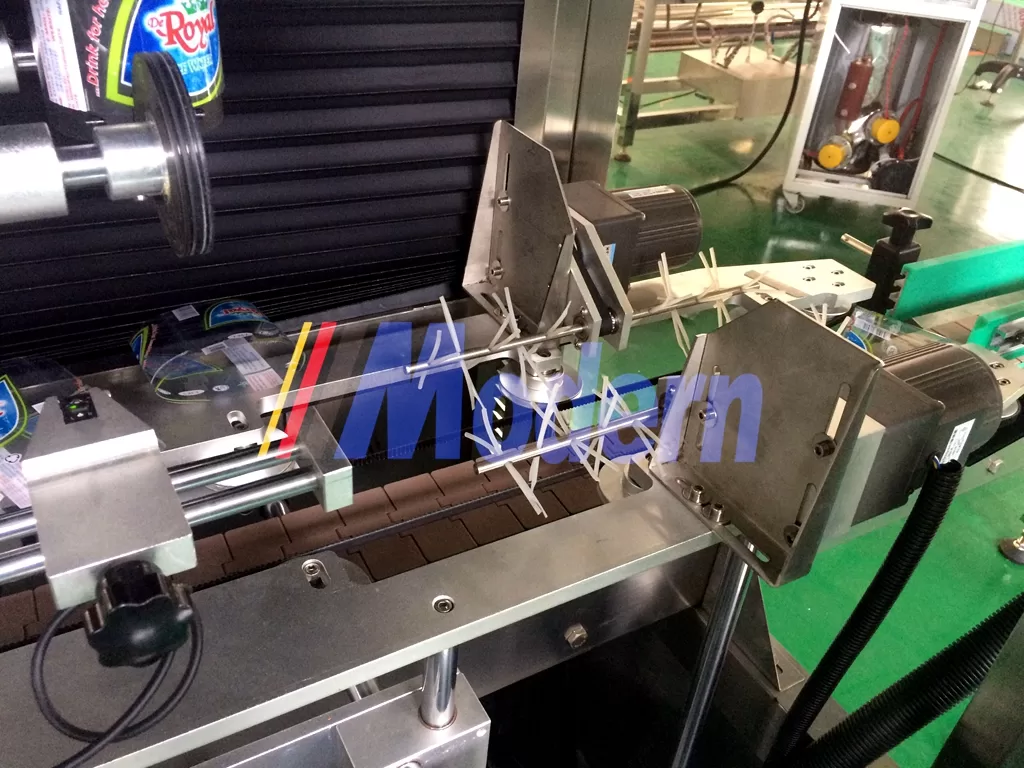
Cuando se trata de comercio exterior, un etiquetado preciso es fundamental para realizar transacciones sin problemas, cumplir con las normativas y generar confianza en el consumidor. Sin embargo, muchas empresas suelen cometer errores de etiquetado comunes que pueden derivar en diversas complicaciones. En este artículo, profundizaremos en los errores de etiquetado más frecuentes y ofreceremos consejos prácticos sobre cómo evitarlos de manera efectiva.
Información incompleta o inexacta
Uno de los errores de etiquetado más frecuentes es proporcionar información incompleta o inexacta en las etiquetas de los productos. Esto puede dar lugar a fallos en la comunicación, problemas legales y la insatisfacción del cliente. Para evitar este error, asegúrese de que todos los detalles necesarios, como el nombre del producto, los ingredientes, el país de origen, la cantidad y las advertencias de seguridad, se indiquen de forma clara y precisa en la etiqueta.
Incumplimiento de las normativas
El incumplimiento de las normativas de etiquetado puede tener graves consecuencias para su empresa. Los diferentes países tienen requisitos variables en cuanto a las normas de etiquetado, como el tamaño de la fuente, el idioma y la información específica que debe incluirse. Para evitar problemas de incumplimiento, investigue y comprenda a fondo las normativas de etiquetado del mercado de destino antes de exportar sus productos.
Mala colocación y visibilidad de la etiqueta
Las etiquetas mal colocadas o que no son fácilmente visibles pueden causar confusión entre los consumidores y obstaculizar las ventas. Asegúrese de que las etiquetas de los productos se muestren de forma destacada, sean fáciles de leer y estén bien adheridas al embalaje para evitar que se dañen o se desprendan durante el transporte. Una colocación óptima de la etiqueta mejora la visibilidad de la marca y fomenta una experiencia positiva para el cliente.
Inconsistencia en la marca y el diseño
Una marca coherente es vital para generar reconocimiento y lealtad. Un etiquetado inconsistente en cuanto a elementos de diseño, colores, fuentes y mensajes puede diluir la identidad de su marca y confundir a los consumidores. Mantenga una imagen de marca cohesiva en todas las etiquetas de los productos para reforzar el recuerdo de la marca y establecer una identidad distintiva en el mercado.
Ignorar los requisitos multilingües
En un mercado global, es esencial atender a diversas preferencias lingüísticas. Descuidar los requisitos multilingües en las etiquetas de los productos puede limitar su alcance y alejar a clientes potenciales. Si exporta productos a mercados internacionales, considere incluir traducciones de la información clave en sus etiquetas para garantizar la claridad y la accesibilidad para los clientes de todo el mundo.
Uso de materiales de baja calidad
Las etiquetas impresas en materiales de baja calidad son propensas a desvanecerse, mancharse o despegarse, lo que compromete la apariencia y la integridad general de sus productos. Invierta en materiales de etiquetado de alta calidad que sean duraderos, resistentes al agua y al desgaste para mantener la estética y la funcionalidad de sus etiquetas durante todo el ciclo de vida del producto.
No actualizar las etiquetas regularmente
La información del producto, las normativas y las preferencias de los consumidores evolucionan con el tiempo, lo que requiere actualizaciones periódicas de las etiquetas de los productos. No actualizar las etiquetas para reflejar los cambios en los ingredientes, los procesos de fabricación o los requisitos normativos puede llevar a una información obsoleta o engañosa. Implemente un sistema para revisar y actualizar las etiquetas regularmente a fin de mantenerse en cumplimiento y relevante en el mercado.
Falta de procesos de control de calidad
Unas medidas de control de calidad inadecuadas pueden dar lugar a un etiquetado inconsistente, errores y defectos que pueden afectar a la calidad y seguridad del producto. Establezca procesos de control de calidad sólidos para garantizar que todas las etiquetas se impriman con precisión, cumplan con las normas reglamentarias y se sometan a una inspección exhaustiva antes de aplicarse a los productos. Un control de calidad constante protege la reputación de su marca y minimiza el riesgo de errores de etiquetado.
Conclusión
Un etiquetado eficaz no consiste solo en transmitir información; es un reflejo de la identidad de su marca, su compromiso con la calidad y el cumplimiento de las normas reglamentarias. Al evitar errores de etiquetado comunes e implementar las mejores prácticas en el diseño y cumplimiento de las etiquetas, las empresas pueden mejorar su credibilidad, ampliar su alcance en el mercado y construir relaciones duraderas con clientes de todo el mundo.
Recuerde que un etiquetado preciso y conforme a la normativa no es solo un requisito legal, sino también un imperativo estratégico para el éxito en el comercio exterior. Al priorizar la precisión, la coherencia y la innovación en el diseño e implementación de etiquetas, las empresas pueden navegar por las complejidades del mercado global con confianza y lograr un crecimiento y una prosperidad sostenibles.


