
El mercado mundial de bebidas carbonatadas es un sector dinámico y en constante evolución dentro de la industria de alimentos y bebidas. A medida que las preferencias de los consumidores se inclinan hacia sabores más únicos y prácticas sostenibles, la importancia de contar con líneas de embotellado eficientes nunca ha sido mayor. Este artículo profundizará en los diversos componentes de las líneas de embotellado para bebidas carbonatadas, explorará las mejores prácticas y ofrecerá información práctica para las empresas que buscan optimizar sus operaciones.
Entendiendo las líneas de embotellado
Las líneas de embotellado son fundamentales para la producción y el envasado de bebidas carbonatadas. Una línea de embotellado típica implica varias etapas clave, que incluyen el llenado, el tapado, el etiquetado y el empaquetado. Cada fase debe funcionar a la perfección para garantizar la calidad y la eficiencia del producto.
Componentes clave de una línea de embotellado
1. **Sistema de carbonatación**: Una de las principales distinciones de las líneas de embotellado para bebidas carbonatadas es el sistema de carbonatación. Esto puede incluir la mezcla de gases, tanques de carbonatación y ajustes en la proporción de jarabe a agua. El control preciso de los niveles de carbonatación es crucial, ya que las discrepancias pueden afectar tanto al sabor como a la satisfacción del consumidor.
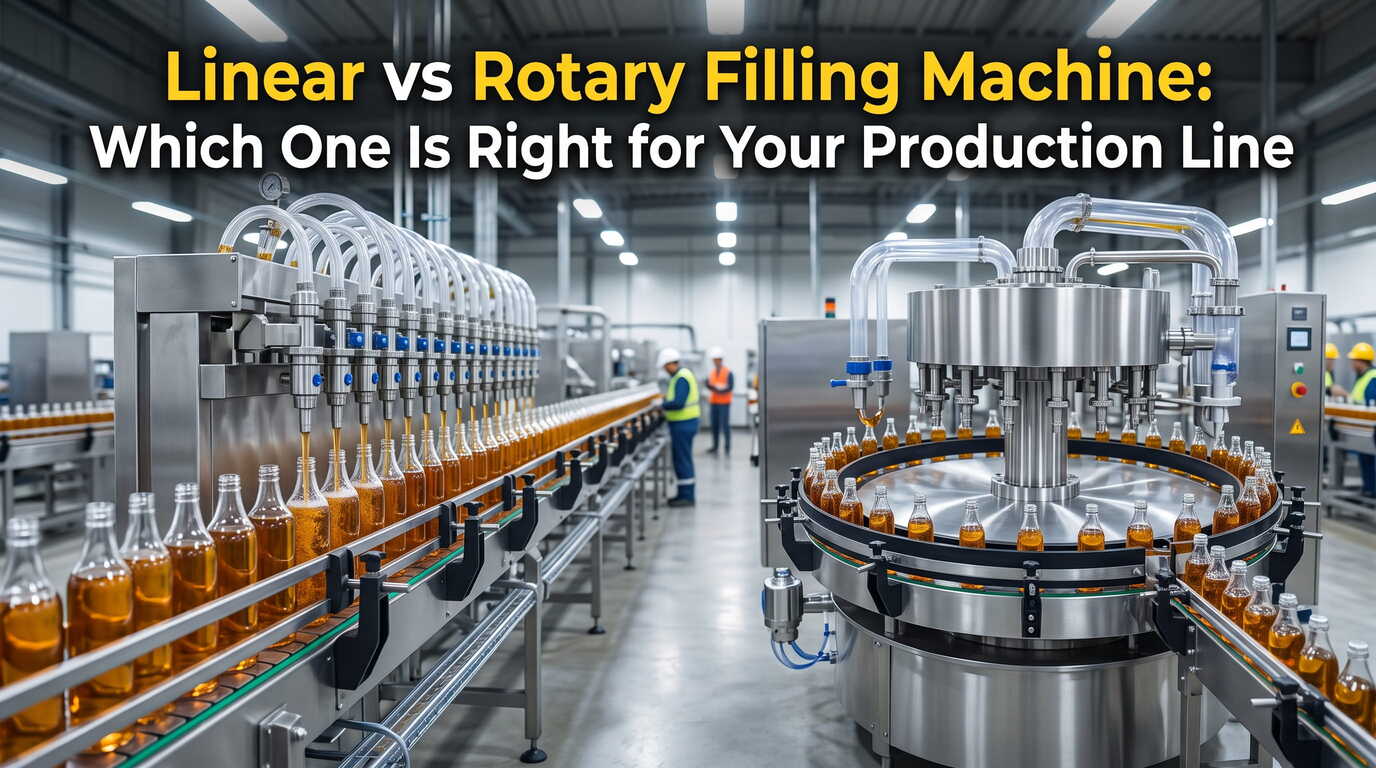
2. **Máquinas llenadoras**: Las máquinas llenadoras son fundamentales para garantizar que se coloque el volumen correcto de bebida en cada botella. Existen varios tipos de máquinas llenadoras, incluidas las llenadoras por gravedad, las llenadoras a presión y las llenadoras a contrapresión. La elección de la máquina llenadora depende en gran medida del tipo de bebida que se produzca y de la velocidad de producción deseada.
3. **Máquinas tapadoras**: Después del llenado, las tapas deben colocarse de forma segura en las botellas para evitar fugas y mantener la carbonatación. Las máquinas tapadoras varían desde sistemas manuales simples hasta soluciones totalmente automatizadas. La complejidad del sistema de tapado a menudo puede estar determinada por el tipo de cierre utilizado, ya sean tapas de rosca, chapas corona o cierres especiales.
4. **Máquinas etiquetadoras**: La marca es esencial en la industria de las bebidas, y las máquinas etiquetadoras garantizan que cada producto sea identificable. Estas máquinas pueden aplicar etiquetas de diversas formas, incluyendo etiquetas adhesivas, fundas retráctiles e impresión serigráfica. Prestar atención al diseño de la etiqueta puede influir significativamente en las decisiones de compra del consumidor.
5. **Equipo de empaquetado**: Finalmente, el equipo de empaquetado sirve para agrupar y preparar las bebidas para su envío. Esto incluye envolvedoras retráctiles, encartonadoras y paletizadoras. Las soluciones de empaquetado eficientes son primordiales para satisfacer las demandas de logística y cadena de suministro.
La importancia de la eficiencia en las líneas de embotellado
La eficiencia en las líneas de embotellado afecta directamente la capacidad de una empresa para competir en el mercado de bebidas. Aquí hay varias dimensiones clave donde la eficiencia juega un papel crucial:
Reducción de costos
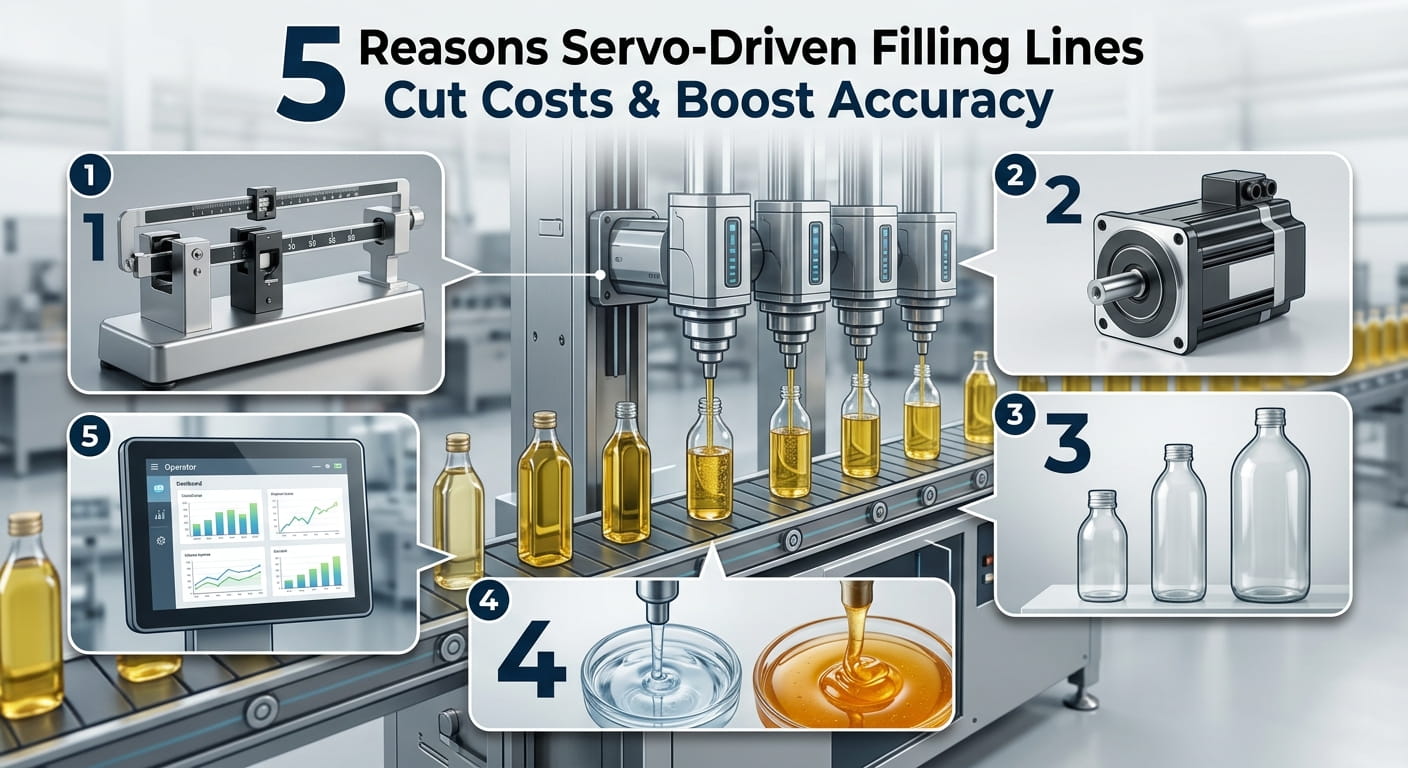
La racionalización de las operaciones puede reducir sustancialmente los costos de producción. Al optimizar cada etapa de la línea de embotellado, las empresas pueden ahorrar en costos de mano de obra, materiales y consumo de energía. La implementación de programas de mantenimiento regulares puede evitar averías inesperadas y prolongar la vida útil de los equipos, contribuyendo aún más al ahorro de costos.
Control de calidad
Mantener altos estándares de calidad es vital para la confianza del consumidor. Las empresas deben invertir en medidas de control de calidad en cada etapa del proceso de embotellado. Esto incluye inspecciones periódicas de los niveles de carbonatación, volúmenes de llenado, integridad de la tapa y precisión de la etiqueta. La incorporación de herramientas de automatización y monitoreo digital puede mejorar la consistencia y reducir el riesgo de error humano.
Flexibilidad y escalabilidad
En un mercado caracterizado por preferencias de los consumidores que cambian rápidamente, la flexibilidad es esencial. Las líneas de embotellado deben diseñarse con la capacidad de adaptarse a diferentes tamaños de botellas y tipos de bebidas. Esta flexibilidad permite cambios rápidos en la producción si la demanda del mercado cambia. Además, la escalabilidad garantiza que, a medida que una empresa crece, su línea de embotellado pueda expandirse para satisfacer las mayores demandas de producción sin necesidad de realizar revisiones completas.
Tendencias que influyen en las líneas de embotellado
La industria de las bebidas carbonatadas está influenciada por varias tendencias emergentes que dan forma al diseño y la operación de las líneas de embotellado:
Prácticas de sostenibilidad
A medida que los consumidores se vuelven más conscientes del medio ambiente, existe una creciente demanda de soluciones de envasado sostenibles. Las líneas de embotellado que utilizan materiales ecológicos para botellas y etiquetas pueden mejorar la reputación de la marca y atraer a los consumidores. Además, la adopción de programas de reciclaje dentro de las operaciones puede minimizar los residuos y mejorar la huella ambiental.
Creciente demanda de bebidas artesanales
El aumento en la popularidad de las bebidas artesanales ha llevado a una mayor demanda de productos de nicho, que a menudo requieren tiradas más pequeñas y soluciones de embotellado personalizadas. Las empresas deberían considerar invertir en equipos de línea de embotellado modulares, que pueden adaptarse fácilmente a diferentes productos y tamaños de lote. Esta versatilidad permite a las empresas responder rápidamente a las tendencias de los consumidores sin una inversión de capital significativa.
Automatización e integración tecnológica
La integración de la automatización y la tecnología continúa transformando la industria de las bebidas. Las líneas de embotellado están cada vez más equipadas con maquinaria avanzada que utiliza inteligencia artificial para el mantenimiento predictivo y el control de calidad. Esto no solo mejora la eficiencia general, sino que también minimiza el potencial de error humano. La instalación de soluciones de IoT (Internet de las cosas) permite el monitoreo en tiempo real de los procesos de producción, lo que permite ajustes proactivos para mantener operaciones óptimas.
Información práctica para optimizar las líneas de embotellado
Para aprovechar estas tendencias y mejoras, las empresas deberían considerar las siguientes estrategias prácticas:
Realizar una auditoría de la línea de embotellado
Las auditorías periódicas de las líneas de embotellado pueden ayudar a identificar ineficiencias y áreas de mejora. Evalúe varios componentes, desde las máquinas llenadoras hasta el equipo de empaquetado, y analice el rendimiento de cada etapa. Los conocimientos basados en datos permitirán a las empresas tomar decisiones informadas con respecto a las actualizaciones o reemplazos.
Invertir en la formación del personal
La formación de los empleados es crucial para fomentar una cultura de eficiencia. El personal debe estar bien versado en el funcionamiento de toda la maquinaria, así como en los protocolos de control de calidad. Los talleres regulares pueden mejorar las habilidades y garantizar que los empleados estén actualizados sobre los últimos estándares y prácticas de la industria.
Colaborar con expertos de la industria
Interactuar con profesionales que se especializan en soluciones de líneas de embotellado puede generar enormes beneficios. Estos expertos pueden proporcionar recomendaciones personalizadas basadas en las necesidades únicas de su negocio, ya sea para aumentar la producción o implementar nuevas tecnologías.
Enfatizar el mantenimiento preventivo
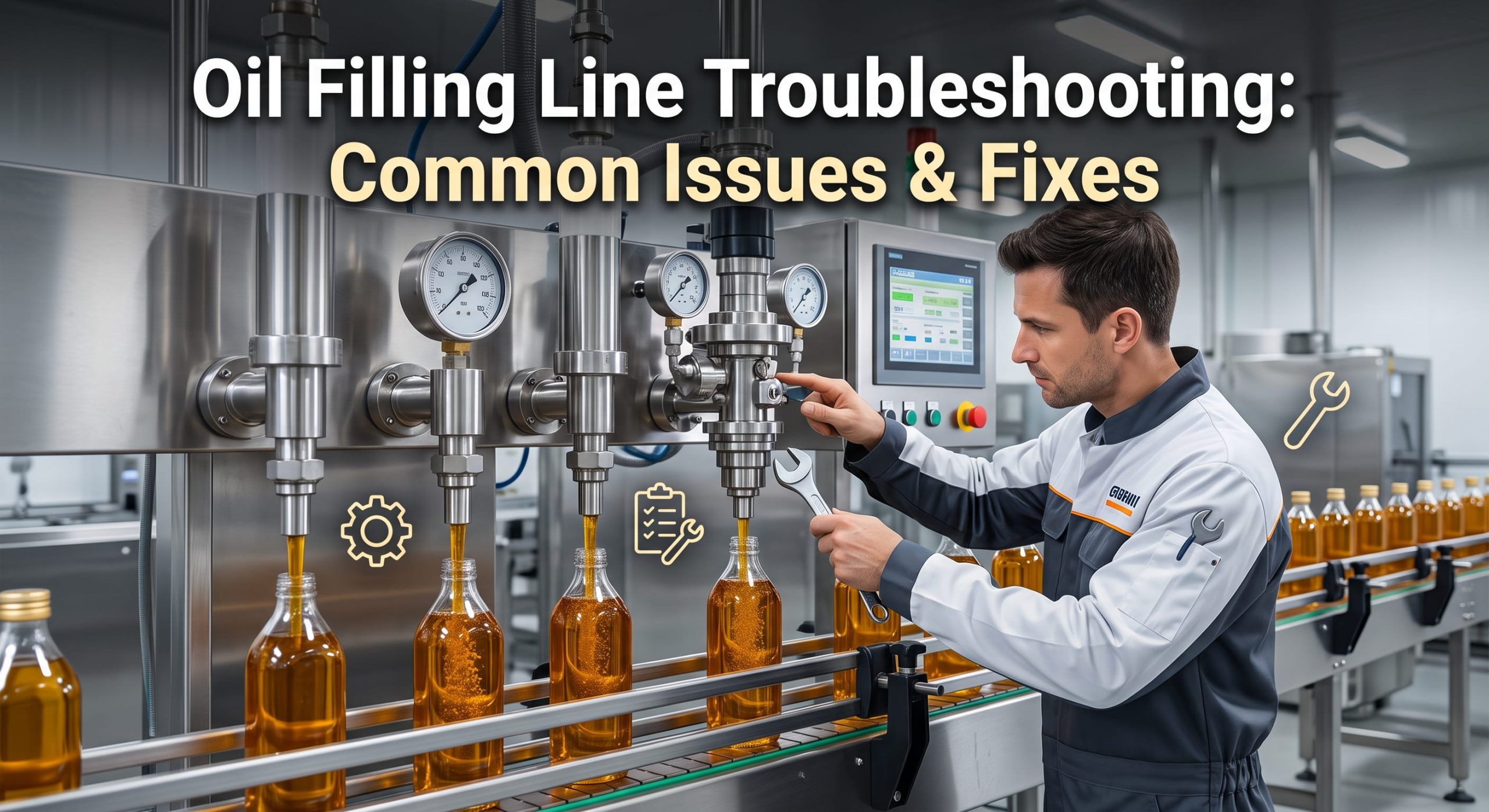
La implementación de un programa riguroso de mantenimiento preventivo puede ayudar a evitar costosos tiempos de inactividad. Las revisiones periódicas de la maquinaria, junto con el reemplazo oportuno de piezas, pueden mantener las operaciones funcionando sin problemas y de manera eficiente.
Conclusión
En conclusión, las líneas de embotellado para bebidas carbonatadas son sistemas complejos que desempeñan un papel fundamental en el proceso de producción. Al comprender sus componentes clave, centrarse en la eficiencia, adoptar las tendencias emergentes e implementar conocimientos prácticos, las empresas pueden seguir siendo competitivas en esta vibrante industria. A medida que evolucionan las demandas de los consumidores, también deben hacerlo las estrategias y tecnologías empleadas en las líneas de embotellado para garantizar un rendimiento y una calidad del producto óptimos.