En el mundo de la fabricación y la distribución, la línea de embotellado es un componente crítico para las empresas dedicadas a la producción de bebidas, productos químicos y otros productos líquidos. Comprender los costes asociados a la instalación y el mantenimiento de una línea de embotellado es esencial para cualquier empresa que busque optimizar sus operaciones y maximizar su rentabilidad. Este artículo pretende ofrecer un análisis detallado de los costes de las líneas de embotellado, explorando diversas dimensiones, incluidos los gastos de equipamiento, los costes laborales, el mantenimiento y la eficiencia operativa. También ofreceremos consejos prácticos y aplicables para ayudar a las empresas a tomar decisiones informadas.
Comprender los costes de la línea de embotellado
Los costes asociados a una línea de embotellado pueden clasificarse en varias áreas clave: costes de instalación inicial, costes operativos y costes de mantenimiento continuo. Cada una de estas categorías abarca diversos factores que pueden influir significativamente en el desembolso financiero total de una empresa.
1. Costes de instalación inicial
Los costes de instalación inicial se refieren a los gastos incurridos al establecer una nueva línea de embotellado. Esto incluye la compra de equipos, la instalación y cualquier modificación necesaria en las instalaciones existentes.
Costes de los equipos
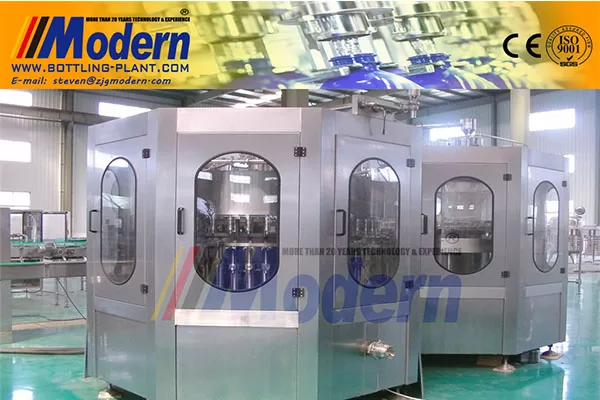
La parte más importante del coste de instalación inicial suele ser el equipo en sí. Una línea de embotellado puede incluir:
- Lavadoras de botellas
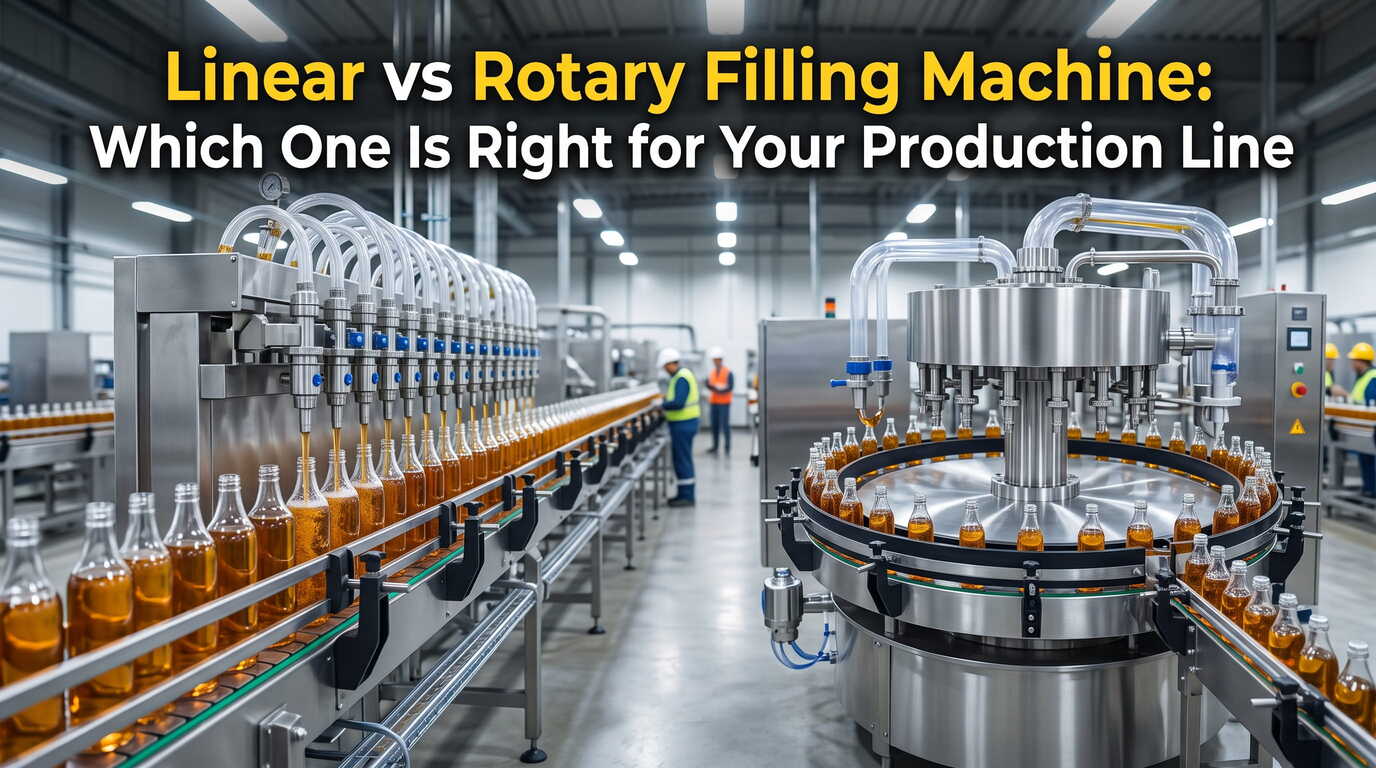
- Máquinas llenadoras
- Máquinas taponadoras
- Máquinas etiquetadoras
- Paletizadores
El precio de estas máquinas puede variar mucho en función de su capacidad, tecnología y marca. Por ejemplo, una línea de embotellado totalmente automatizada puede oscilar entre decenas de miles y varios millones de dólares. Las empresas deben evaluar sus necesidades de producción y su presupuesto en consecuencia para seleccionar el equipo adecuado.
Instalación y modificaciones de las instalaciones
Una vez adquirido el equipo, deben tenerse en cuenta los costes de instalación. Esto puede implicar la contratación de técnicos especializados para montar la maquinaria, así como posibles modificaciones en las instalaciones para adaptarlas a la nueva línea. Estas modificaciones pueden incluir trabajos eléctricos, ajustes de fontanería y cambios estructurales para garantizar un flujo de trabajo fluido.
2. Costes operativos
Los costes operativos abarcan los gastos diarios asociados al funcionamiento de una línea de embotellado. Estos costes pueden fluctuar en función del volumen de producción, la mano de obra y la eficiencia de la maquinaria.
Costes laborales
La mano de obra es un componente importante de los costes operativos. Las empresas deben tener en cuenta el número de empleados necesarios para operar la línea de embotellado, incluidos los operarios de las máquinas, el personal de control de calidad y el personal de mantenimiento. Además, los costes laborales pueden variar en función de la región, el nivel de cualificación requerido y si la plantilla es a tiempo completo o parcial.
Materias primas y suministros
Otro aspecto crítico de los costes operativos es la adquisición de materias primas y suministros. Esto incluye la compra de botellas, tapones, etiquetas y el propio producto líquido. Las fluctuaciones en los precios de las materias primas pueden afectar significativamente a los costes totales de producción, por lo que es esencial que las empresas establezcan relaciones sólidas con los proveedores y consideren opciones de compra al por mayor cuando sea posible.
Servicios públicos y gastos generales
Los servicios públicos como la electricidad, el agua y el gas también son componentes vitales de los costes operativos. Las líneas de embotellado suelen requerir un consumo energético importante, especialmente durante los periodos de máxima producción. Las empresas deben evaluar su consumo energético y explorar opciones de maquinaria energéticamente eficiente o fuentes de energía renovables para mitigar estos costes.
3. Costes de mantenimiento continuo
El mantenimiento es un aspecto de los costes de la línea de embotellado que a menudo se pasa por alto, pero que es crucial para garantizar la eficiencia y la productividad a largo plazo. Un mantenimiento regular puede evitar costosas averías y prolongar la vida útil de la maquinaria.
Mantenimiento preventivo
La implementación de un programa de mantenimiento preventivo puede ayudar a identificar posibles problemas antes de que se agraven. Esto implica inspecciones, limpieza y mantenimiento periódicos de los equipos de acuerdo con las directrices del fabricante. Aunque el mantenimiento preventivo conlleva un coste, suele ser muy inferior a los gastos derivados de reparaciones inesperadas y tiempos de inactividad.
Piezas de repuesto y reparaciones
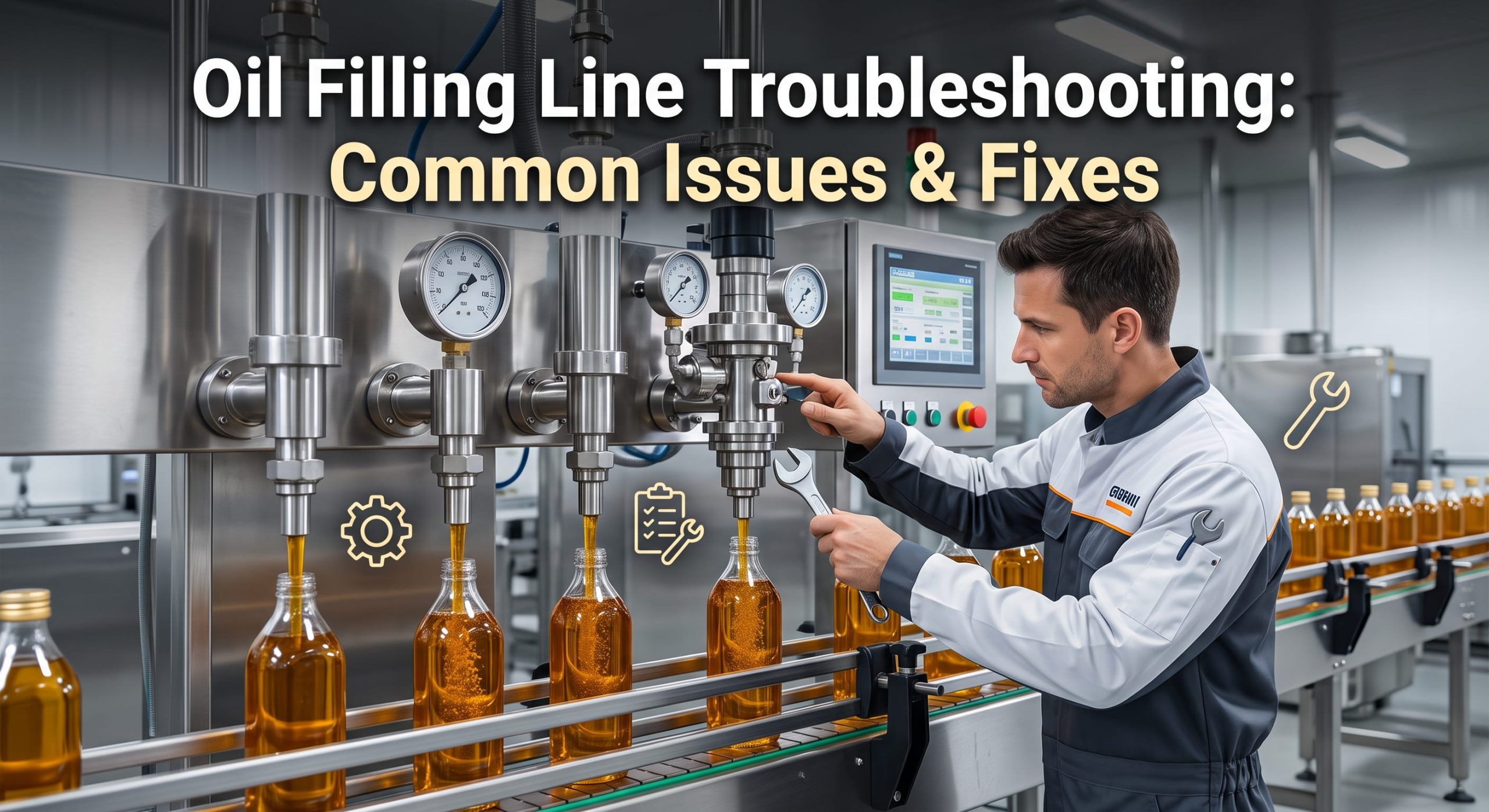
A pesar de las mejores prácticas de mantenimiento, la maquinaria requerirá inevitablemente reparaciones y piezas de repuesto. Las empresas deben presupuestar estos gastos y establecer relaciones con proveedores fiables para acceder rápidamente a los componentes necesarios. Además, reservar un fondo de contingencia para reparaciones inesperadas puede ayudar a mitigar la tensión financiera.
Maximizar la eficiencia para minimizar los costes
Más allá de comprender los diversos costes asociados a una línea de embotellado, las empresas pueden tomar medidas proactivas para mejorar la eficiencia y reducir los gastos. He aquí algunas estrategias a tener en cuenta:
1. Invertir en automatización
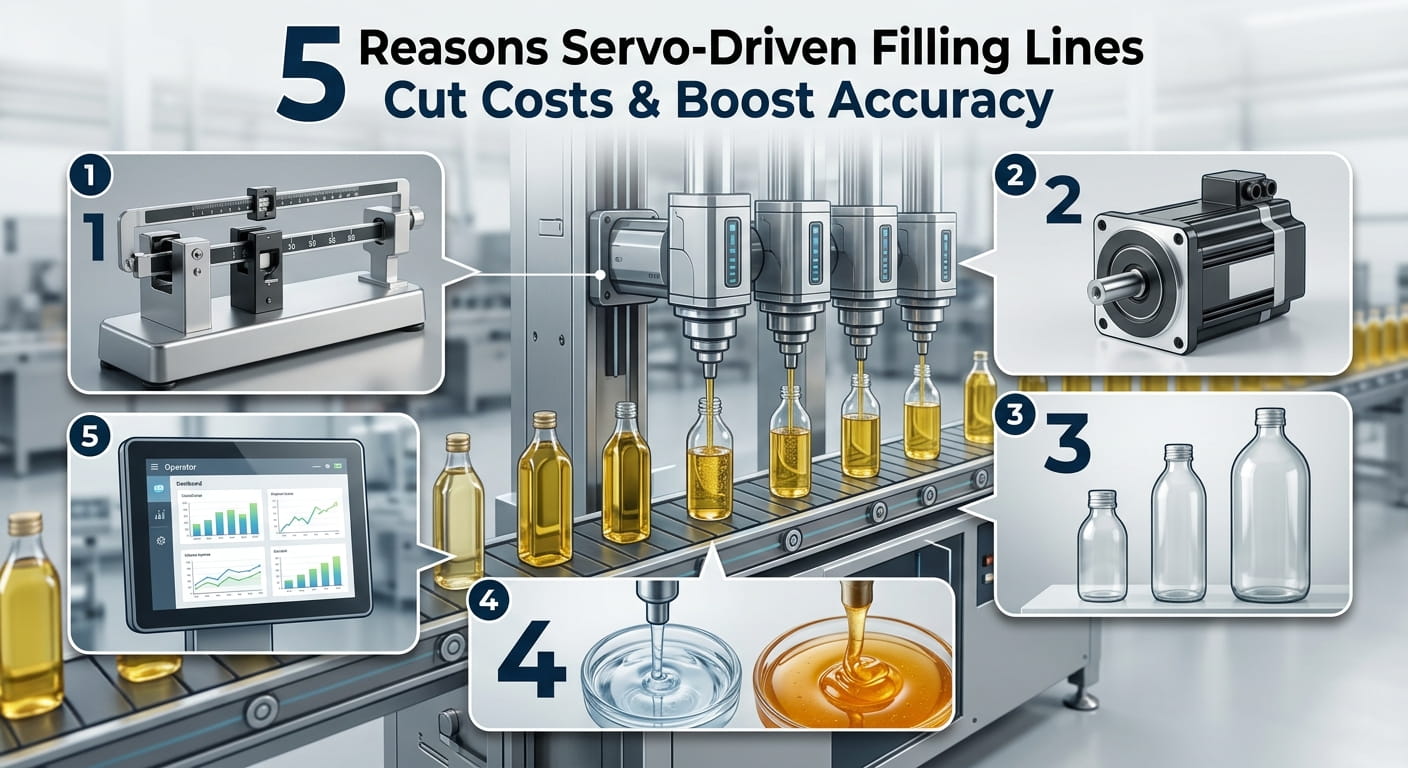
La automatización puede reducir significativamente los costes laborales y aumentar la velocidad de producción. Las líneas de embotellado automatizadas pueden manejar grandes volúmenes con mayor precisión, minimizando los residuos y los errores. Aunque la inversión inicial puede ser mayor, el ahorro a largo plazo