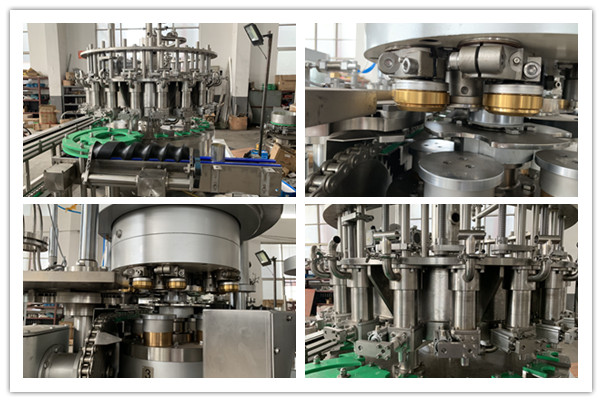
Las máquinas llenadoras de latas son equipos esenciales en la industria del envasado, ya que garantizan la eficiencia y la precisión en el llenado y sellado de latas. El mantenimiento adecuado y la limpieza regular de estas máquinas son fundamentales para asegurar un funcionamiento ininterrumpido, la calidad del producto y la longevidad del equipo. En este artículo, analizaremos las mejores prácticas para el mantenimiento y la limpieza de su máquina llenadora de latas con el fin de optimizar su rendimiento y maximizar su vida útil.
1. Desarrolle un plan de mantenimiento programado
Crear un programa de mantenimiento es esencial para mantener su máquina llenadora de latas en óptimas condiciones. Inspeccione regularmente los componentes clave, como válvulas, cintas transportadoras, sensores y mecanismos de sellado. Identifique cualquier desgaste, piezas sueltas o signos de daño que puedan afectar el rendimiento de la máquina.
2. Lubrique las piezas móviles
La lubricación adecuada de las piezas móviles es crucial para evitar la fricción, reducir el desgaste y prolongar la vida útil de su máquina llenadora de latas. Utilice los lubricantes recomendados y siga las directrices del fabricante sobre la frecuencia y el tipo de lubricación. Evite el exceso de lubricación, ya que puede atraer polvo y residuos, lo que podría causar fallos de funcionamiento.
3. Capacite a los operadores para el mantenimiento rutinario
Asegúrese de que sus operadores estén adecuadamente capacitados para realizar tareas de mantenimiento rutinario. Deben estar familiarizados con los componentes de la máquina, los procedimientos de limpieza y la resolución de problemas comunes. Anímelos a informar de cualquier anomalía o mal funcionamiento de inmediato para evitar que los problemas menores se conviertan en averías importantes.
4. Limpie y desinfecte regularmente
La limpieza y desinfección periódicas de su máquina llenadora de latas son esenciales para evitar la contaminación, garantizar la calidad del producto y cumplir con las normas de seguridad. Siga un procedimiento de limpieza detallado utilizando agentes y herramientas de limpieza aprobados. Preste especial atención a las áreas propensas a la acumulación de producto, como las boquillas de llenado, las cintas transportadoras y los mecanismos de sellado.
5. Realice comprobaciones de mantenimiento preventivo
Además del mantenimiento rutinario, realice comprobaciones de mantenimiento preventivo para identificar posibles problemas antes de que se agraven. Inspeccione las conexiones eléctricas, los sistemas neumáticos y los paneles de control en busca de signos de desgaste, corrosión o conexiones sueltas. Reemplace las piezas desgastadas, como sellos, juntas y juntas tóricas, para evitar fugas y garantizar un rendimiento óptimo.
6. Supervise el rendimiento de la máquina
Implemente un sistema de supervisión para realizar un seguimiento del rendimiento de su máquina llenadora de latas. Controle los indicadores clave de rendimiento, como la precisión del llenado, la velocidad y el tiempo de inactividad. Mantenga registros exhaustivos de las actividades de mantenimiento, los programas de limpieza y cualquier reparación o sustitución realizada. Analice estos datos para identificar tendencias, optimizar las prácticas de mantenimiento y tomar decisiones informadas para la mejora continua.
7. Aborde los problemas con prontitud
Si encuentra algún problema o mal funcionamiento en su máquina llenadora de latas, abórdelo con prontitud para evitar tiempos de inactividad y desperdicio de producto. Capacite a su equipo de mantenimiento para diagnosticar y solucionar problemas comunes de manera eficiente. Considere establecer una línea directa de mantenimiento o un sistema de soporte dedicado para obtener asistencia inmediata en caso de emergencia.
8. Invierta en repuestos de calidad
Al reemplazar piezas o componentes de su máquina llenadora de latas, opte por repuestos de alta calidad de proveedores de confianza. El uso de piezas originales garantiza la compatibilidad, la fiabilidad y el rendimiento óptimo del equipo. Evite el uso de piezas baratas o falsificadas, ya que pueden comprometer la funcionalidad de la máquina y provocar costosas reparaciones a largo plazo.
9. Manténgase al día con las tendencias del sector
Edúquese continuamente a sí mismo y a su equipo sobre los últimos avances en la tecnología de máquinas llenadoras de latas y las mejores prácticas del sector. Asista a ferias comerciales, talleres y sesiones de formación para mantenerse informado sobre nuevas técnicas de mantenimiento, métodos de limpieza y actualizaciones de equipos. Adopte avances tecnológicos como herramientas de mantenimiento predictivo y automatización para agilizar sus procesos de mantenimiento y mejorar el rendimiento de la máquina.
10. Busque asistencia profesional cuando sea necesario
Si encuentra problemas complejos o requiere servicios de mantenimiento especializados para su máquina llenadora de latas, no dude en buscar asistencia profesional. Consulte con expertos del sector, fabricantes de equipos o proveedores de servicios de mantenimiento para obtener asesoramiento experto, formación o soporte técnico. Invertir en servicios de mantenimiento profesional puede ayudar a optimizar el rendimiento de su máquina y minimizar los costosos tiempos de inactividad.
Conclusión
El mantenimiento y la limpieza de su máquina llenadora de latas son esenciales para garantizar un funcionamiento eficiente, la calidad del producto y la longevidad del equipo. Siguiendo estas mejores prácticas, desarrollando una estrategia de mantenimiento proactiva y dando prioridad a la limpieza y desinfección, puede optimizar el rendimiento de su máquina y maximizar su vida útil. Manténgase proactivo, capacite a su equipo de manera efectiva e invierta en prácticas de mantenimiento de calidad para mantener su máquina llenadora de latas funcionando de manera fluida y eficiente.
La implementación de estas prácticas no solo mejorará su eficiencia operativa, sino que también contribuirá al éxito general y a la sostenibilidad de sus operaciones de envasado.