
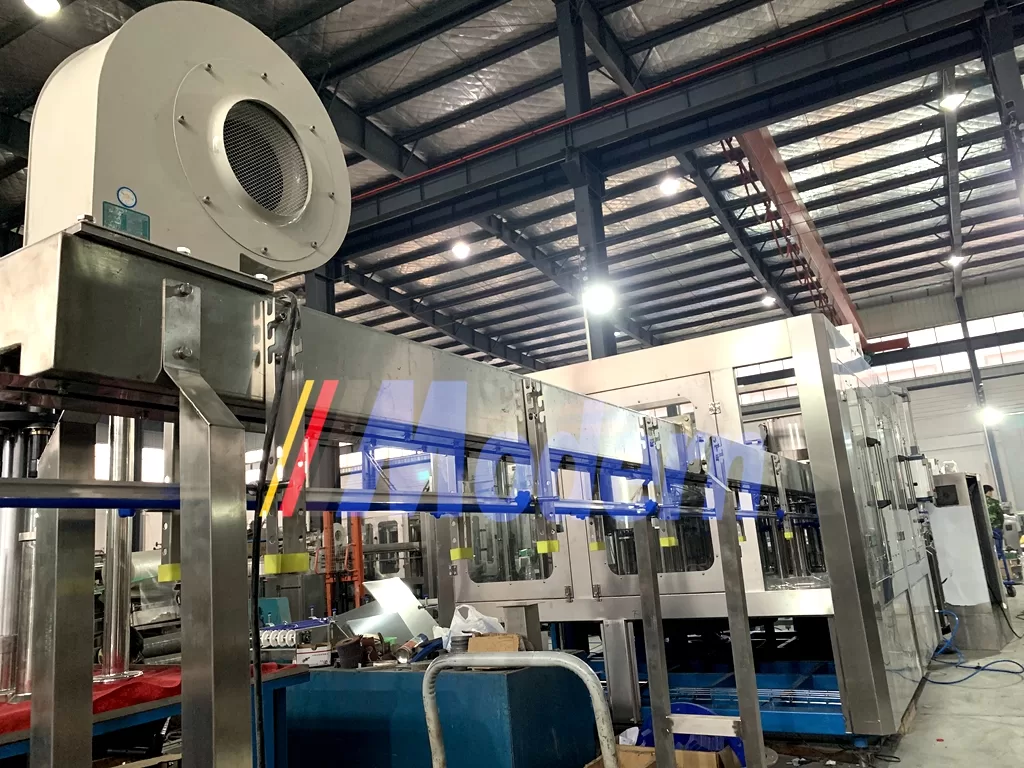
En la vibrante y constantemente cambiante industria de las bebidas, el mantenimiento de las plantas de producción es crucial para garantizar operaciones eficientes y la calidad del producto. Dada la diversidad de maquinaria y procesos involucrados, mantener las mejores prácticas de mantenimiento no solo fomenta un funcionamiento fluido, sino que también minimiza el tiempo de inactividad y maximiza la productividad. Profundicemos en algunas estrategias y conocimientos prácticos que pueden mejorar significativamente los estándares de mantenimiento de las plantas de bebidas.
La importancia del mantenimiento proactivo
El mantenimiento proactivo es la piedra angular del rendimiento óptimo de la planta. Al anticiparse a posibles problemas e inspeccionar rutinariamente los equipos, los gerentes de plantas de bebidas pueden evitar costosas averías e interrupciones en la producción. Las revisiones de mantenimiento programadas regularmente, que incluyen lubricación, limpieza y calibración, pueden extender significativamente la vida útil de la maquinaria y prevenir fallas inesperadas.
Implementación de un programa de mantenimiento integral
Desarrollar un programa de mantenimiento bien estructurado es esencial para optimizar las operaciones y garantizar el mantenimiento constante de los equipos de la planta. Este programa debe incluir planes detallados para tareas de mantenimiento diarias, semanales, mensuales y anuales, categorizándolas según su urgencia y frecuencia. Asignar responsabilidades a miembros del personal competentes y documentar todas las actividades de mantenimiento ayuda a realizar un seguimiento del progreso e identificar áreas que requieren mejoras.
Utilización de tecnologías de monitoreo avanzadas
La incorporación de tecnologías de monitoreo de última generación, como sensores y software de mantenimiento predictivo, puede revolucionar la forma en que las plantas de bebidas mantienen su maquinaria. Estas herramientas permiten el seguimiento en tiempo real del rendimiento de los equipos, detectan signos tempranos de deterioro y predicen posibles fallas antes de que ocurran. Al aprovechar los conocimientos basados en datos, los gerentes de planta pueden tomar decisiones informadas y optimizar los esfuerzos de mantenimiento en función de las condiciones reales de la máquina.
Capacitación y empoderamiento de los equipos de mantenimiento
Un equipo de mantenimiento capacitado y experto es indispensable para el funcionamiento eficiente de una planta de bebidas. Proporcionar programas de capacitación continuos sobre el manejo de equipos, protocolos de seguridad y mejores prácticas de mantenimiento es esencial para mantener al equipo actualizado con las últimas tendencias de la industria. Empoderar a los técnicos de mantenimiento para solucionar problemas menores y realizar tareas de mantenimiento preventivo no solo aumenta su confianza, sino que también minimiza la dependencia del soporte externo, mejorando la eficiencia operativa.
Optimización de la gestión de repuestos
La gestión eficaz de los repuestos es fundamental para minimizar el tiempo de inactividad y garantizar reparaciones rápidas en caso de fallo del equipo. Mantener un inventario organizado de repuestos esenciales, categorizándolos según su criticidad y disponibilidad, puede acelerar significativamente el proceso de reparación. Revisar regularmente el uso de repuestos y reponer el stock estratégicamente puede ayudar a evitar retrasos y mantener la línea de producción funcionando sin problemas.
Cumplimiento de las prácticas de higiene y saneamiento
Dado que la producción de bebidas involucra materiales de grado alimenticio y estándares de calidad estrictos, mantener una higiene y un saneamiento impecables no es negociable. Implementar protocolos de limpieza exhaustivos, manipular productos químicos de forma segura y seguir las pautas de saneamiento específicas de la industria es imperativo para prevenir la contaminación y mantener la integridad del producto. Las auditorías y los controles de calidad regulares pueden garantizar el cumplimiento de los requisitos reglamentarios y las expectativas del consumidor.
Adopción de la sostenibilidad y la eficiencia energética
A medida que las prácticas de sostenibilidad ocupan un lugar central en la industria de las bebidas, la integración de iniciativas ecológicas en el mantenimiento de la planta puede generar importantes ahorros de costos y beneficios ambientales. La implementación de tecnologías energéticamente eficientes, la optimización del uso del agua y la reducción de la generación de residuos no solo contribuyen a una huella más ecológica, sino que también mejoran la eficiencia operativa y la utilización de los recursos. Las auditorías energéticas y las evaluaciones de sostenibilidad periódicas pueden identificar áreas de mejora e impulsar una optimización continua.
Mejora continua y mecanismos de retroalimentación
Mantener una cultura de mejora continua dentro del departamento de mantenimiento es clave para adaptarse a la dinámica cambiante del mercado y a los avances tecnológicos. Fomentar la retroalimentación del personal de mantenimiento, las partes interesadas y los usuarios finales puede proporcionar información valiosa para perfeccionar las prácticas de mantenimiento, abordar problemas recurrentes y fomentar la innovación. Las evaluaciones de desempeño periódicas y la evaluación comparativa con los estándares de la industria pueden impulsar la excelencia y garantizar que los procesos de mantenimiento se alineen con los objetivos generales de la planta.
Conclusión
En conclusión, adherirse a las mejores prácticas en el mantenimiento de plantas de bebidas es esencial para mantener la excelencia operativa, garantizar la calidad del producto y satisfacer la demanda del consumidor. Al priorizar el mantenimiento proactivo, aprovechar las tecnologías avanzadas y fomentar una cultura de mejora continua, las plantas de bebidas pueden elevar sus estándares de mantenimiento y lograr eficiencias notables. Adoptar prácticas sostenibles, invertir en la capacitación del personal y gestionar meticulosamente el inventario de repuestos son componentes integrales de una estrategia de mantenimiento integral. Al implementar estas estrategias y mantenerse al tanto de las tendencias de la industria, las plantas de bebidas pueden seguir siendo competitivas, resilientes y preparadas para el éxito a largo plazo en un mercado dinámico.


