
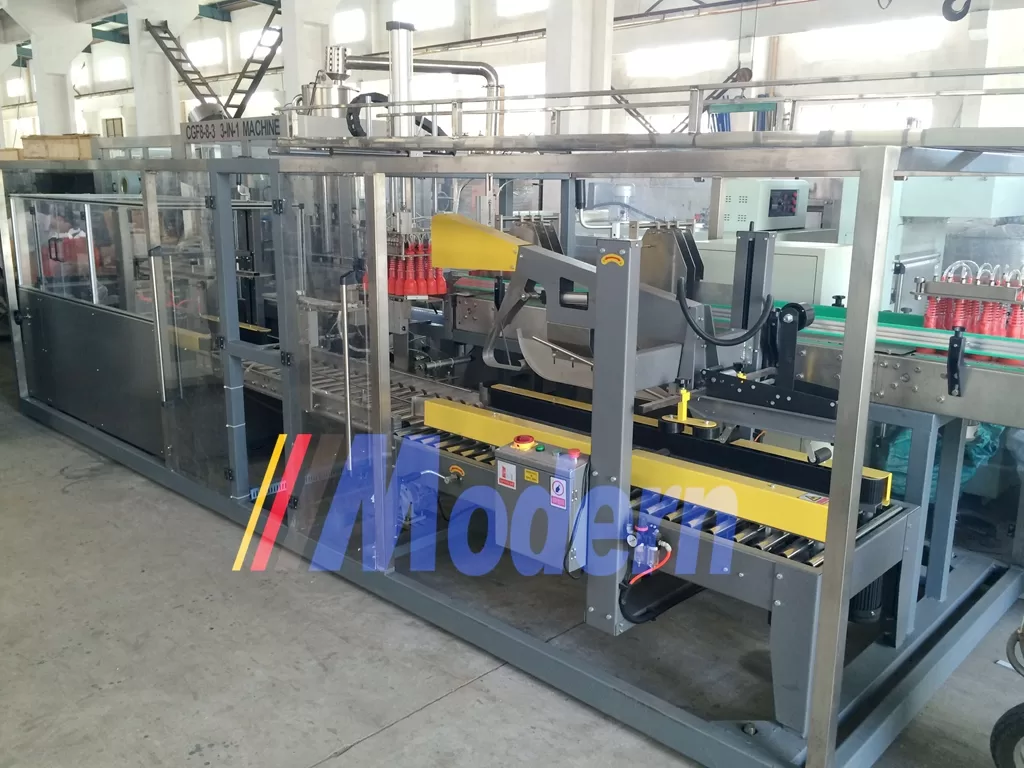
Como empresa dedicada a la fabricación y distribución, una decisión crítica a la que se enfrentará es la selección del método de embalaje más adecuado para sus productos. La envoltura retráctil automática y el encajado son dos opciones populares, cada una de las cuales ofrece ventajas y consideraciones únicas. Para tomar una decisión informada que se alinee con sus objetivos comerciales, es esencial comprender las diferencias, ventajas y desafíos asociados con estos métodos de embalaje.
Envoltura retráctil automática
La envoltura retráctil automática es un proceso que consiste en envolver uno o varios productos en una película protectora, que luego se contrae mediante calor para crear un sellado hermético. Este método se utiliza ampliamente en diversas industrias, incluidas la de alimentos y bebidas, farmacéutica y de bienes de consumo. Estas son algunas de las ventajas clave de la envoltura retráctil automática:
- Visibilidad del producto: La envoltura retráctil permite que el producto sea claramente visible para los clientes, mostrando sus características y mejorando su atractivo en los estantes de las tiendas.
- Protección: La película retráctil proporciona una barrera protectora contra el polvo, la humedad y la manipulación, asegurando que el producto llegue al cliente final en perfectas condiciones.
- Eficiencia de espacio: La envoltura retráctil puede ayudar a optimizar el espacio de almacenamiento y envío, ya que sella los productos firmemente, minimizando el espacio desperdiciado durante el transporte.
Sin embargo, también existen algunos desafíos asociados con la envoltura retráctil automática, como la necesidad de maquinaria especializada y el potencial de mayores costos de materiales en comparación con otros métodos de embalaje.
Encajado
El encajado consiste en colocar productos en cajas, cartones o estuches para su envío y almacenamiento a granel. Este método se utiliza comúnmente para artículos que no están envueltos individualmente o que necesitan protección adicional durante la manipulación y el transporte. Estas son algunas de las ventajas del encajado:
- Eficiencia: El encajado es eficiente para agrupar varios productos, lo que agiliza el proceso de embalaje y reduce los costos de mano de obra.
- Estabilidad: Los productos empacados en cajas son generalmente más estables y tienen menos probabilidades de dañarse durante el transporte, especialmente en el caso de artículos frágiles o pesados.
- Personalización: El encajado permite la personalización en términos de tamaño, forma y etiquetado de la caja, adaptándose a los requisitos específicos del producto y a las necesidades de la marca.
Por otro lado, el encajado puede requerir espacio adicional para el almacenamiento y la manipulación debido a la naturaleza más voluminosa de las cajas en comparación con los productos envueltos en plástico retráctil.
Elección del método de embalaje adecuado
Al decidir entre la envoltura retráctil automática y el encajado, es esencial considerar varios factores para determinar la opción más adecuada para su negocio:
- Tipo de producto: La naturaleza de sus productos, como su tamaño, forma y fragilidad, influirá en la elección entre la envoltura retráctil y el encajado.
- Volumen de producción: El volumen de productos a embalar afectará la eficiencia y la rentabilidad de cada método. Los volúmenes de producción más altos pueden beneficiarse de los sistemas de encajado automatizados.
- Imagen de marca: Considere cómo el método de embalaje se alinea con la imagen de su marca y las expectativas de su mercado objetivo. La envoltura retráctil puede ser visualmente más atractiva para ciertos productos.
- Costo y eficiencia: Evalúe el costo total, incluidos los requisitos de equipo, materiales, mano de obra y espacio, para determinar la solución más rentable para su negocio.
Conclusión
Tanto la envoltura retráctil automática como el encajado tienen sus ventajas y consideraciones únicas, lo que los hace adecuados para diferentes tipos de productos y requisitos comerciales. Al sopesar los factores descritos anteriormente y comprender las necesidades específicas de su empresa, puede tomar una decisión informada sobre si optar por la envoltura retráctil automática o el encajado. En última instancia, el método de embalaje adecuado no solo protegerá sus productos, sino que también mejorará su comercialización y agilizará sus procesos de producción y distribución.


