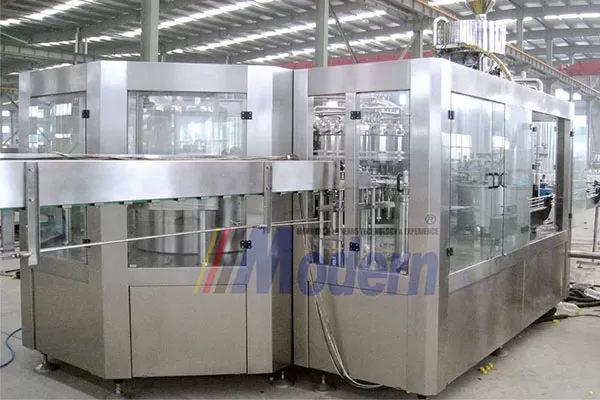
Invertir en maquinaria para bebidas es una decisión importante para cualquier empresa del sector. El funcionamiento adecuado de estos equipos es crucial para garantizar una producción eficiente, mantener la calidad del producto y satisfacer la demanda de los clientes. Si bien elegir la maquinaria correcta es vital, otro aspecto igualmente importante es el servicio posventa proporcionado por el fabricante o proveedor.
La importancia del servicio posventa
El servicio posventa desempeña un papel clave en la experiencia general del cliente y puede influir significativamente en el éxito de una empresa. Estas son algunas razones por las que el servicio posventa en maquinaria para bebidas es importante:
1. Mantenimiento y reparaciones
El mantenimiento adecuado de la maquinaria para bebidas es esencial para su longevidad y rendimiento óptimo. Un equipo de servicio posventa confiable puede proporcionar revisiones de mantenimiento periódicas, reparaciones oportunas y soporte técnico para garantizar que el equipo funcione sin problemas. Este enfoque proactivo puede ayudar a prevenir averías y minimizar el tiempo de inactividad, lo que en última instancia ahorra costes y mejora la productividad.
2. Formación y soporte
Un servicio posventa eficaz incluye la oferta de programas de formación para los operadores y el personal de mantenimiento. Estos programas ayudan a maximizar la eficiencia de la maquinaria, además de garantizar un funcionamiento seguro. Un equipo de soporte experto y accesible también puede proporcionar orientación y asistencia para la resolución de problemas siempre que sea necesario, permitiendo que la empresa funcione sin problemas técnicos.
3. Disponibilidad de repuestos
Tener acceso a repuestos originales para la maquinaria de bebidas es crucial para realizar reparaciones y sustituciones rápidas. Un fabricante de renombre con una sólida red de servicio posventa garantizará la disponibilidad de piezas de repuesto originales, manteniendo así la integridad y la eficiencia del equipo. Esto ayuda a reducir el tiempo de inactividad y evita el uso de piezas de calidad inferior que puedan comprometer el rendimiento de la maquinaria.
Mejores prácticas para un servicio posventa eficaz
1. Establecer canales de comunicación claros
Asegúrese de que existan canales de comunicación claros entre el cliente y el equipo de servicio posventa. Ofrecer múltiples opciones de contacto, como teléfono, correo electrónico y chat en línea, puede facilitar que los clientes soliciten asistencia cuando la necesiten.
2. Ofrecer garantías y contratos de servicio
Proporcione garantías integrales y contratos de servicio que describan los términos y condiciones del soporte posventa. Defina claramente la cobertura, los tiempos de respuesta y los procedimientos para solicitar el servicio. Esto crea transparencia y genera confianza con los clientes.
3. Formación continua y desarrollo de habilidades
Invierta en programas de formación para su equipo de servicio posventa para mantenerlos actualizados con los últimos avances tecnológicos y las mejores prácticas. Un personal bien formado puede ofrecer un soporte más eficiente y eficaz a los clientes, lo que conduce a mayores niveles de satisfacción.
4. Implementar un sistema de comentarios de los clientes
Solicite comentarios de los clientes sobre su experiencia con el servicio posventa. Utilice esta información para identificar áreas de mejora y realizar los ajustes necesarios para mejorar la calidad general del servicio. Escuchar los comentarios de los clientes demuestra que usted valora sus opiniones y está comprometido a brindar un servicio excelente.
Conclusión
Un servicio posventa eficaz es un componente crucial de la experiencia general del cliente cuando se trata de maquinaria para bebidas. Al priorizar el mantenimiento, la formación, la disponibilidad de repuestos y una comunicación clara, las empresas pueden garantizar que sus equipos funcionen sin problemas, minimizando el tiempo de inactividad y maximizando la productividad. Invertir en una estrategia sólida de servicio posventa no solo beneficia a los clientes, sino que también fortalece la reputación y la competitividad de la empresa en el mercado.