
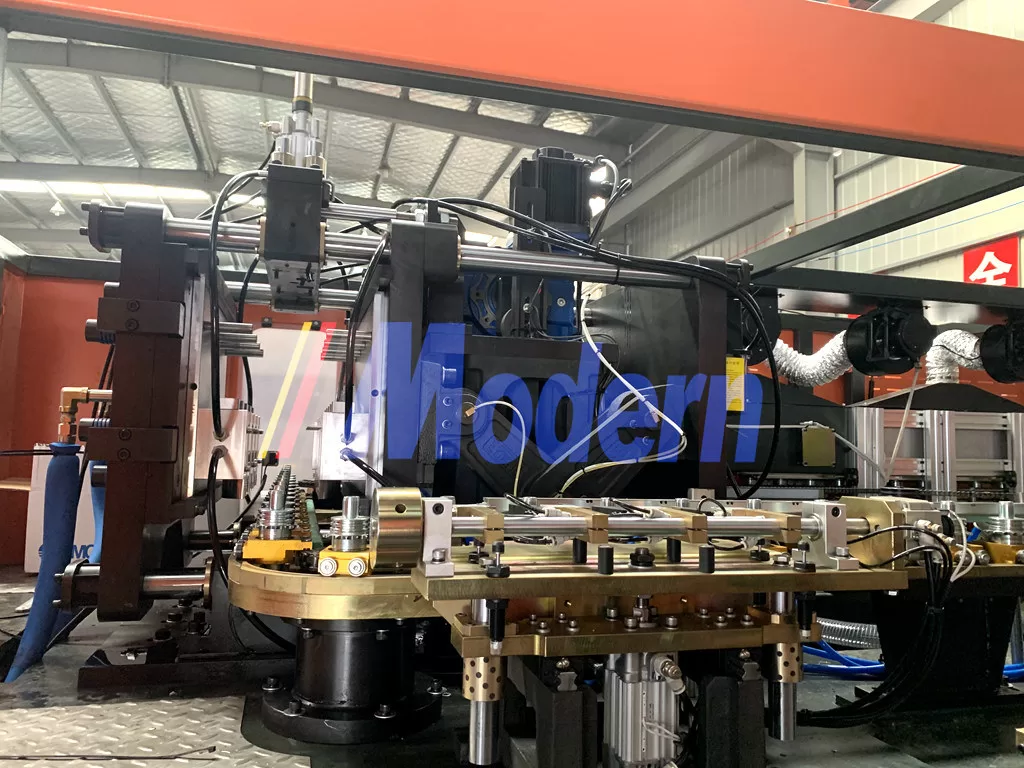
El moldeo por soplado es un proceso de fabricación utilizado para crear piezas, envases y productos de plástico huecos mediante el inflado de un tubo de plástico calentado (preforma) o párison. Esta industria ha sido testigo de importantes avances e innovaciones que están dando forma a su futuro. Para mantenerse a la vanguardia de los desarrollos en el moldeo por soplado, es crucial comprender los factores clave que impulsan el sector. En este artículo, profundizaremos en las 10 claves para el futuro del moldeo por soplado, proporcionando información práctica y orientación para empresas y profesionales que buscan prosperar en este sector dinámico.
1. Materiales y procesos sostenibles
El cambio hacia materiales y procesos sostenibles es una tendencia determinante en la industria del moldeo por soplado. Ante la creciente preocupación por el medio ambiente y las nuevas normativas, los fabricantes están adoptando materiales biodegradables y reciclables. Implementar prácticas ecológicas no solo reduce la huella de carbono, sino que también mejora la reputación de la marca y su competitividad en el mercado.
2. Maquinaria avanzada y automatización
La integración de maquinaria avanzada y tecnologías de automatización está revolucionando las operaciones de moldeo por soplado. Desde brazos robóticos para la manipulación de preformas hasta sistemas de control de calidad basados en IA, la automatización optimiza la eficiencia de la producción, reduce los costes laborales y garantiza una calidad de producto constante. Invertir en equipos de última generación es esencial para seguir siendo competitivo en el cambiante panorama del moldeo por soplado.
3. Fabricación inteligente e Industria 4.0
Los principios de fabricación inteligente y los conceptos de la Industria 4.0 están transformando la industria del moldeo por soplado mediante sistemas interconectados, análisis de datos y monitorización en tiempo real. Al aprovechar los dispositivos IoT, la computación en la nube y las estrategias de mantenimiento predictivo, los fabricantes pueden agilizar los flujos de trabajo de producción, mejorar la toma de decisiones y lograr una mayor agilidad operativa. Adoptar la transformación digital es clave para desbloquear nuevas oportunidades de crecimiento.
4. Personalización
Las preferencias de los consumidores evolucionan constantemente, impulsando la demanda de productos personalizados y a medida. Las empresas de moldeo por soplado se están adaptando a esta tendencia ofreciendo capacidades de fabricación flexibles que permiten crear formas, tamaños y diseños únicos. Al satisfacer las necesidades individuales de los clientes, las empresas pueden diferenciarse en el mercado y construir relaciones más sólidas con sus clientes.
5. Aligeramiento e innovaciones en materiales
El aligeramiento (lightweighting) se ha convertido en un área de enfoque crucial para los fabricantes de moldeo por soplado que buscan reducir el uso de materiales, los costes de transporte y el impacto medioambiental. Las innovaciones en la ciencia de materiales, como las resinas de base biológica, los plásticos espumados y los nanocompuestos, permiten la producción de productos ligeros pero duraderos. Al explorar nuevas opciones de materiales, las empresas pueden alcanzar sus objetivos de sostenibilidad a la vez que mejoran el rendimiento del producto.
6. Garantía de calidad y cumplimiento normativo
Garantizar la calidad del producto y el cumplimiento de la normativa es innegociable en la industria del moldeo por soplado. Desde las certificaciones ISO hasta los sistemas de gestión de calidad, los fabricantes deben adherirse a normas estrictas para cumplir con las expectativas de los clientes y los requisitos legales. Implementar procesos sólidos de garantía de calidad y realizar auditorías periódicas es esencial para mantener la excelencia operativa y la reputación.
7. Resiliencia de la cadena de suministro y localización
Las interrupciones de la cadena de suministro mundial experimentadas en los últimos años han puesto de relieve la importancia de la resiliencia y la localización. Las empresas de moldeo por soplado están reevaluando sus estrategias de cadena de suministro, diversificando las opciones de abastecimiento y explorando socios de fabricación locales para mitigar los riesgos y mejorar la agilidad. Construir una cadena de suministro resiliente es fundamental para salvaguardar la continuidad de la producción y responder a las fluctuaciones del mercado.
8. Economía circular e iniciativas de reciclaje
La transición hacia un modelo de economía circular está impulsando iniciativas de reciclaje y sistemas de circuito cerrado en el moldeo por soplado. Al incorporar materiales reciclados, diseñar pensando en la reciclabilidad y promover cadenas de suministro circulares, los fabricantes pueden reducir la generación de residuos y apoyar un ecosistema industrial más sostenible. Adoptar los principios de la economía circular se alinea con las expectativas de los consumidores en cuanto a responsabilidad medioambiental y eficiencia de los recursos.
9. Innovación continua e inversión en I+D
La innovación continua y la inversión en investigación y desarrollo (I+D) son esenciales para mantener una ventaja competitiva en el moldeo por soplado. Al fomentar una cultura de creatividad, experimentación e intercambio de conocimientos, las empresas pueden impulsar avances en los productos, optimizaciones de procesos y diversificación del mercado. Asignar recursos a iniciativas de I+D fomenta el crecimiento a largo plazo y promueve una cultura de innovación.
10. Desarrollo del talento y formación profesional
Una mano de obra cualificada desempeña un papel fundamental en el éxito de las operaciones de moldeo por soplado. Invertir en el desarrollo del talento, la formación profesional y las iniciativas de compromiso de los empleados es esencial para atraer y retener a los mejores talentos del sector. Al dotar a los trabajadores de las competencias técnicas, la capacidad de resolución de problemas y las habilidades de liderazgo necesarias, las empresas pueden mejorar la productividad, la innovación y el rendimiento general.
Conclusión
En conclusión, el futuro del moldeo por soplado está determinado por una amplia gama de factores, desde prácticas sostenibles y tecnologías avanzadas hasta soluciones personalizables y principios de economía circular. Al priorizar la innovación, la calidad, la sostenibilidad y el desarrollo del talento, las empresas pueden navegar por el cambiante panorama del moldeo por soplado y aprovechar las oportunidades de crecimiento y diferenciación. Adoptar estas 10 claves para el futuro del moldeo por soplado posicionará a las empresas para el éxito en un entorno de mercado en constante cambio.


