
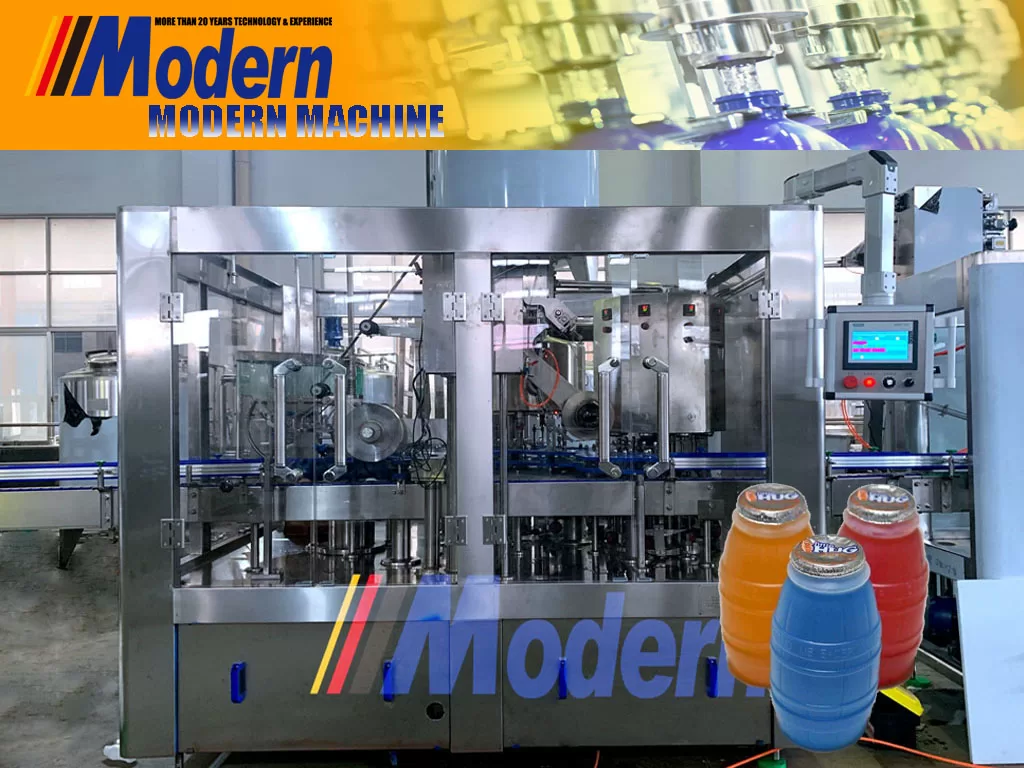
As máquinas de envase de óleo desempenham um papel crucial na indústria de embalagens, especialmente na produção de diversos produtos à base de óleo. Estas máquinas são projetadas para encher recipientes com quantidades precisas de óleo de forma eficiente e precisa. Para compreender totalmente o princípio de funcionamento das máquinas de envase de óleo, é importante aprofundar-se nos vários componentes, mecanismos e processos envolvidos na sua operação.
Componentes das Máquinas de Envase de Óleo
As máquinas de envase de óleo consistem em vários componentes principais que trabalham em conjunto para garantir uma operação suave e eficiente. Esses componentes incluem:
- Bicos de Enchimento: Os bicos de envase são responsáveis por dispensar o óleo nos recipientes. Eles são projetados para controlar a taxa de fluxo e evitar derramamentos.
- Bomba de Envase: A bomba de envase é responsável por bombear o óleo do tanque de armazenamento para os bicos de envase. Ela garante um fluxo constante e consistente de óleo durante o processo de envase.
- Esteira de Recipientes: A esteira de recipientes transporta os recipientes até a estação de envase e, em seguida, move-os para a próxima etapa do processo de embalagem.
- Painel de Controle: O painel de controle abriga os controles eletrônicos que gerenciam a operação da máquina de envase de óleo. Os operadores podem definir parâmetros como volume de envase e velocidade através do painel de controle.
Princípio de Funcionamento das Máquinas de Envase de Óleo
O princípio de funcionamento das máquinas de envase de óleo envolve uma série de etapas precisas que garantem um envase preciso e desperdício mínimo. O princípio básico de funcionamento pode ser descrito da seguinte forma:
- Posicionamento do Recipiente: Os recipientes vazios são colocados na esteira de recipientes e transportados para a estação de envase.
- Início do Processo de Envase: O operador define o volume de envase desejado e outros parâmetros no painel de controle.
- Dispensação de Óleo: A bomba de envase bombeia o óleo do tanque de armazenamento para os bicos de envase, que então dispensam o óleo nos recipientes.
- Verificação de Precisão de Envase: Sensores e detectores são usados para garantir que a quantidade correta de óleo seja dispensada em cada recipiente. Quaisquer discrepâncias são imediatamente corrigidas.
- Vedação do Recipiente: Assim que o processo de envase é concluído, os recipientes são vedados para evitar vazamentos e contaminação.
- Remoção do Recipiente: Os recipientes cheios são então transportados para a próxima etapa do processo de embalagem para rotulagem e distribuição.
Vantagens de Usar Máquinas de Envase de Óleo
Existem várias vantagens em usar máquinas de envase de óleo no processo de produção:
- Maior Eficiência: As máquinas de envase de óleo podem encher um grande número de recipientes em um curto período de tempo, levando a um aumento da produtividade.
- Envase de Precisão: Essas máquinas garantem que cada recipiente seja preenchido com a quantidade exata de óleo, reduzindo o desperdício e melhorando a consistência do produto.
- Custo-benefício: Ao minimizar o desperdício e o erro humano, as máquinas de envase de óleo ajudam a reduzir os custos de produção a longo prazo.
- Operação Higiênica: A natureza automatizada das máquinas de envase de óleo reduz o risco de contaminação e garante um processo de envase limpo e higiênico.
Dicas Práticas para Usar Máquinas de Envase de Óleo
Para aproveitar ao máximo sua máquina de envase de óleo, considere as seguintes dicas práticas:
- Manutenção Regular: Certifique-se de que sua máquina de envase de óleo seja regularmente revisada e mantida para evitar avarias e garantir um desempenho consistente.
- Treinamento do Operador: Forneça treinamento completo aos operadores para familiarizá-los com a operação da máquina e os procedimentos de solução de problemas.
- Controle de qualidade: Implemente medidas rigorosas de controle de qualidade para monitorar a precisão do envase e detectar quaisquer desvios prontamente.
- Otimizar Configurações: Otimize continuamente as configurações da máquina para atingir o volume de envase e a velocidade desejados para diferentes produtos de óleo.
Ao compreender o princípio de funcionamento das máquinas de envase de óleo e implementar as melhores práticas em sua operação, os fabricantes podem otimizar seus processos de produção, melhorar a qualidade do produto e alcançar maior eficiência na embalagem de produtos à base de óleo.


