
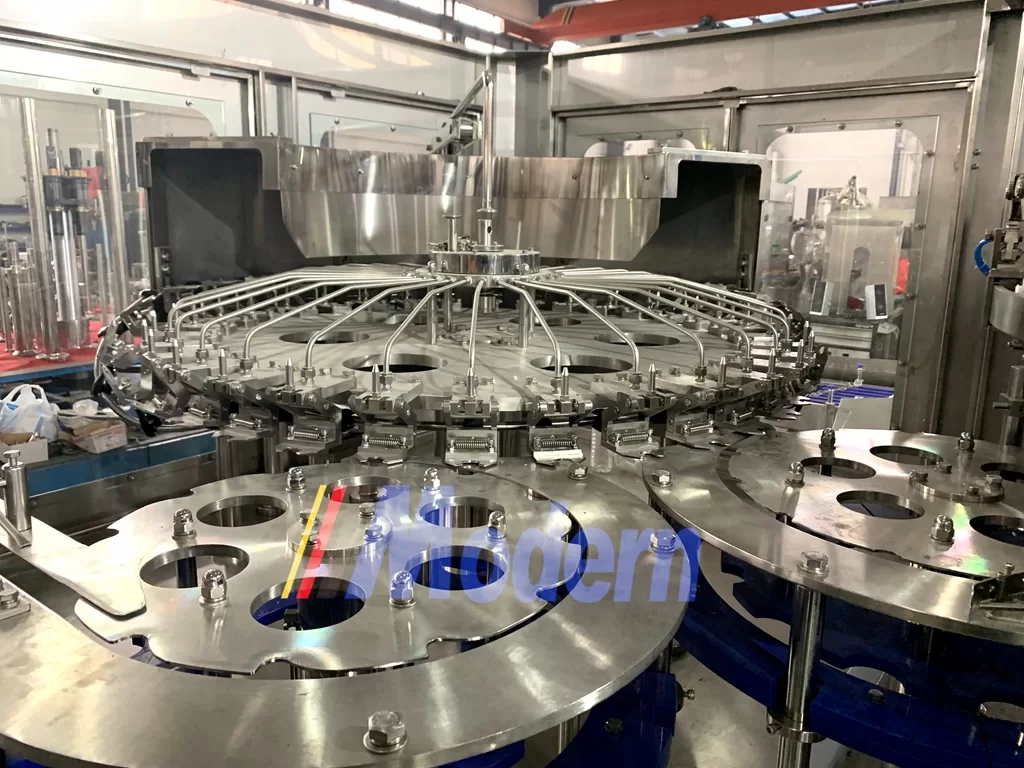
No cenário em constante evolução da indústria de bebidas, as pequenas máquinas de envase de bebidas gaseificadas desempenham um papel essencial na facilitação dos processos de produção e embalagem. Este artigo explora as várias dimensões destas máquinas, desde a sua funcionalidade e componentes até à sua importância na garantia da qualidade e eficiência do produto. Adequado para empresas que procuram investir em tal maquinaria, este guia fornecerá informações valiosas e conselhos práticos para melhorar a sua compreensão e tomada de decisão.
A importância das pequenas máquinas de envase de bebidas gaseificadas
À medida que a procura dos consumidores por bebidas gaseificadas continua a aumentar, os fabricantes enfrentam o desafio de satisfazer esta procura de forma eficiente e económica. Uma pequena máquina de envase de bebidas gaseificadas responde a estas necessidades automatizando o processo de enchimento, minimizando assim os custos laborais e o erro humano. Além disso, estas máquinas atendem a pequenas e médias empresas (PMEs) que podem não necessitar de equipamento de produção em grande escala, mas que ainda assim precisam de equipamento fiável para encher e embalar os seus produtos.
Principais componentes de uma pequena máquina de envase de bebidas gaseificadas
Para apreciar a funcionalidade das pequenas máquinas de envase de bebidas gaseificadas, é importante compreender os seus componentes principais:
1. Bicos de Enchimento
Os bicos de enchimento são cruciais para controlar a quantidade de bebida gaseificada dispensada em cada recipiente. Podem ser concebidos para vários tipos de garrafas, latas ou bolsas e estão frequentemente equipados com sensores para garantir a precisão e minimizar derrames.
2. Sistema de gaseificação
O sistema de gaseificação é responsável por infundir a bebida com dióxido de carbono (CO2) antes de ser colocada nos recipientes. Este sistema garante que o nível de gaseificação adequado seja mantido, o que é vital para o sabor e para a experiência geral do consumidor.
3. Sistema de transporte
Um sistema de transporte facilita o movimento dos recipientes através das diferentes fases do processo de enchimento. Esta funcionalidade automatizada simplifica significativamente a produção, permitindo taxas de produção mais elevadas e reduzindo o manuseamento manual.
4. Painel de Controle
O painel de controlo permite aos operadores definir parâmetros como a velocidade de enchimento, o volume e os níveis de gaseificação. As máquinas modernas também podem incluir interfaces de ecrã tátil para uma navegação mais fácil e ajuste das definições.
5. Funcionalidades de limpeza e manutenção
Para manter a higiene e a qualidade do produto, muitas pequenas máquinas de envase de bebidas gaseificadas vêm equipadas com sistemas de autolimpeza. As funcionalidades de manutenção regular também garantem que as máquinas funcionem de forma eficiente durante períodos prolongados.
Tipos de pequenas máquinas de envase de bebidas gaseificadas
Existem principalmente dois tipos de pequenas máquinas de envase de bebidas gaseificadas: sistemas de enchimento por gravidade e sistemas de enchimento por pressão. Cada um oferece vantagens diferentes, dependendo das necessidades específicas do fabricante de bebidas.
1. Máquinas de enchimento por gravidade
As máquinas de enchimento por gravidade operam com base no princípio da utilização da força gravitacional para encher os recipientes. São habitualmente utilizadas para bebidas com níveis de gaseificação mais baixos e são relativamente simples e económicas. No entanto, podem não atingir o mesmo nível de precisão que as máquinas de enchimento por pressão.
2. Máquinas de enchimento por pressão
As máquinas de enchimento por pressão, por outro lado, utilizam pressão para encher os recipientes com bebidas gaseificadas. Estas máquinas são ideais para bebidas altamente gaseificadas, uma vez que ajudam a manter os níveis de gaseificação durante o processo de enchimento. Embora tendam a ser mais dispendiosas, os benefícios superam frequentemente o investimento inicial.
Escolher a Máquina Certa para o Seu Negócio
A seleção da pequena máquina de envase de bebidas gaseificadas certa envolve uma consideração cuidadosa de vários fatores:
1. Volume de Produção
Avalie as suas necessidades de produção com base na quantidade de bebidas gaseificadas que planeia produzir. As máquinas estão disponíveis em várias capacidades, pelo que selecionar uma que se alinhe com os seus objetivos de produção é crucial.
2. Especificações do produto
Considere o tipo de bebida que irá encher, incluindo a viscosidade, o nível de gaseificação e o tipo de recipiente. Diferentes máquinas atendem a diferentes características de produto e tipos de recipiente, por isso certifique-se de que a máquina é compatível com o seu produto.
3. Orçamento
Estabeleça um orçamento claro para o seu investimento, incluindo custos iniciais e manutenção contínua. Embora possa ser tentador optar pela opção mais barata, é essencial considerar a fiabilidade e a eficiência a longo prazo.
4. Considerações de Espaço
Avalie o espaço disponível nas suas instalações de produção. Algumas máquinas podem necessitar de mais espaço para operação e manutenção, pelo que garantir um planeamento de espaço adequado é crucial.
Melhores práticas operacionais
Depois de adquirir a sua pequena máquina de envase de bebidas gaseificadas, seguir as melhores práticas operacionais pode ajudar a maximizar a sua eficiência e longevidade:
1. Manutenção Regular
Implemente um cronograma de manutenção de rotina para inspecionar e limpar a máquina. A manutenção regular não só prolonga a vida útil do equipamento, como também garante um desempenho consistente, reduzindo a probabilidade de paragens não planeadas.
2. Formação da Equipa
Certifique-se de que os membros da equipa que operam a máquina têm formação adequada nas suas funções e manutenção. Uma formação adequada contribui para operações eficientes e ajuda a prevenir acidentes ou danos no equipamento.
3. Verificações de controle de qualidade
Implemente medidas de controlo de qualidade para testar regularmente os níveis de enchimento e a gaseificação do produto. A consistência na qualidade do produto é fundamental para a satisfação do cliente e para a reputação da marca.
Tendências Futuras e Inovações
A indústria de bebidas está em constante evolução, e as pequenas máquinas de envase de bebidas gaseificadas não são exceção. Algumas tendências e inovações emergentes a ter em conta incluem:
1. Automação Aprimorada
À medida que a tecnologia avança, os fabricantes estão a incorporar mais funcionalidades automatizadas nas suas máquinas. A automação melhorada ajuda a reduzir os custos laborais e aumenta a eficiência, permitindo que as empresas se concentrem mais na estratégia de produção do que nos processos manuais.
2. Eficiência Energética
Com uma ênfase crescente na sustentabilidade, os fabricantes estão a desenvolver modelos energeticamente eficientes que consomem menos energia e água, alinhando-se com as tendências globais ecológicas.
3. Integração de Tecnologia Inteligente
A integração de tecnologia inteligente e IoT (Internet das Coisas) nas máquinas de envase permite a monitorização em tempo real e a análise de dados, fornecendo aos fabricantes informações valiosas para otimizar os processos de produção.
Conclusão
Em conclusão, as pequenas máquinas de envase de bebidas gaseificadas são ativos vitais para os fabricantes de bebidas que pretendem aumentar a produção mantendo a qualidade e a eficiência. Ao compreender os seus componentes, tipos e os fatores que influenciam a seleção, as empresas podem tomar decisões informadas ao investir neste equipamento. Adotar as melhores práticas operacionais e manter-se atento às tendências futuras também posicionará os fabricantes para prosperar num mercado cada vez mais competitivo. À medida que a indústria de bebidas continua a crescer, compreender e aproveitar as capacidades das pequenas máquinas de envase de bebidas gaseificadas será, sem dúvida, a chave para o sucesso.


